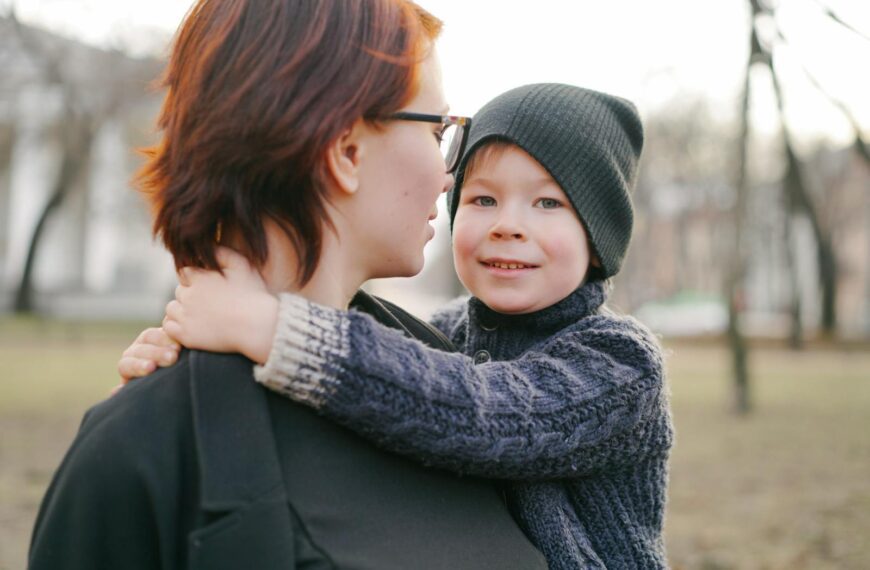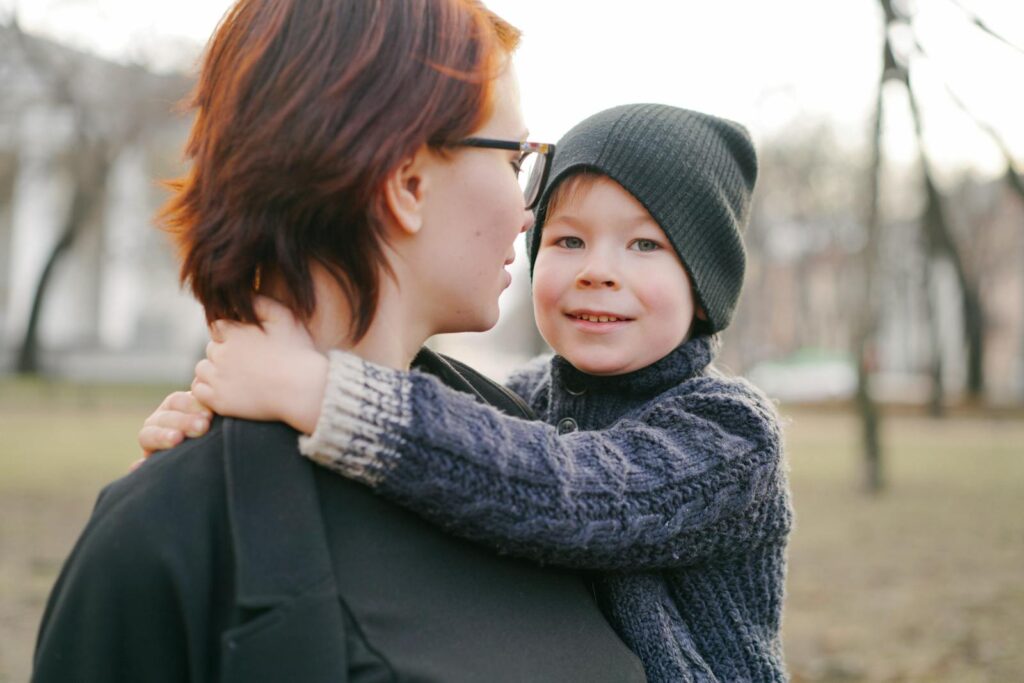
A mom recently found herself at a crossroads when her 4-year-old started regularly shouting “I don’t love you” during tantrums and emotional outbursts. Like many parents facing hurtful statements from their preschoolers, she wondered whether these words required a direct response or if ignoring them was the better approach. The declarations left her questioning what was really happening in her child’s mind and whether she was handling the situation correctly.
Child development experts explain that when young children say “I don’t love you” during meltdowns, they’re typically expressing overwhelming frustration rather than actual feelings about their parent, and these statements often don’t mean what adults think they mean. Parents across online communities report hearing “I don’t love you” multiple times daily from their young children, with many struggling to keep their composure when the words sting.
The situation raises questions about how parents should navigate these emotionally charged moments. Understanding what’s actually happening developmentally can help caregivers respond in ways that support their child’s emotional growth while protecting their own feelings from unnecessary hurt.
Understanding Why Kids Say “I Don’t Love You” During Meltdowns

Young children often blurt out hurtful phrases during emotional outbursts, but these words rarely reflect their actual feelings. When children say “I don’t love you,” they typically mean “I don’t like you right now” rather than expressing permanent rejection.
Normal Developmental Behaviors at Age 4
Four-year-olds are still learning to manage big emotions with limited vocabulary and impulse control. They grab whatever words feel powerful in the moment, testing language to see what gets the strongest reaction from parents.
A child feeling angry might say “I don’t love you” when they aren’t saying “I will never love you”, but simply expressing temporary frustration. The phrase becomes a tool for communicating overwhelming discomfort rather than a genuine statement about their relationship with their parent.
Many parents report their children use phrases like “meanest mama,” “stupid,” and “I don’t love you” during meltdowns. Teachers often note these same children behave completely differently at school, suggesting the behavior stems from feeling safe enough at home to release pent-up emotions.
Emotional Expression Versus True Feelings
The disconnect between what children say during meltdowns and their actual feelings often confuses parents. A child might scream hurtful words one minute, then seek comfort and warmth from the same parent shortly after.
Parents dealing with these outbursts report their children later feel sorry and apologize, unable to fully explain why they said such things when calm. This pattern reveals the temporary nature of the emotional storm versus the child’s true attachment to their parent.
The Shadow Side of Child Emotions
Children express what psychologists might call their shadow side during dysregulated moments. This represents all the uncomfortable feelings they can’t process appropriately yet.
Exhaustion, overstimulation, and feeling unheard can trigger these explosive statements. The anger masks deeper emotions like fear, hurt, or vulnerability that four-year-olds lack the emotional maturity to identify and express constructively. What looks like intentional cruelty is actually a child drowning in feelings they can’t name or control, reaching for any words that might communicate their internal chaos.
How to Respond: Should You Address It or Let It Pass?
Parents facing this painful moment need to decide between acknowledging the hurtful words in real-time or waiting until emotions settle. The approach depends on understanding what’s driving the outburst and recognizing that young children saying “I don’t love you” is considered normal developmental behavior.
Staying Calm and Showing Warmth
When a child screams “I don’t love you,” the parent’s first instinct might be to correct the behavior immediately. But experts suggest that maintaining composure makes a bigger difference than any specific words used in response.
One parenting specialist noted that when children display angry outbursts and say hurtful words, they’re often trapped in a state of dysregulation rather than intentionally trying to wound their parents. The child saying these things is usually overwhelmed, not calculating.
Parents who respond with warmth even during these explosions create safety. This doesn’t mean accepting aggressive behavior without boundaries. It means the adult stays regulated while the child cannot.
Choosing When to Talk About Big Feelings
Timing matters more than the perfect response. During a meltdown, a four-year-old’s brain isn’t ready for a meaningful conversation about feelings or appropriate language.
Many parents report success with brief acknowledgments in the moment followed by deeper discussions later. One approach involves saying something simple like “I hear you’re upset” without launching into explanations about why the words hurt.
Parents addressing extreme rage during limit-setting moments often find that waiting until everyone is calm yields better results. The child can actually process the conversation when their nervous system has settled. These later talks can mark important learning moments about expressing difficult emotions appropriately.
Long-Term Impact of Different Approaches
The way parents handle these declarations shapes how children learn to manage their own emotional intensity over time. Children who see their parents remain steady during outbursts gradually develop better self-regulation skills themselves.
Parents worry that ignoring hurtful language means condoning it. However, staying calm during the storm doesn’t equal approval. It models emotional regulation that four-year-olds desperately need to witness.
The pattern typically shifts as children mature and gain better emotional vocabulary. What feels endless at age four rarely continues with the same intensity at six or seven, especially when parents consistently demonstrate how to stay grounded during emotional chaos.
More from Decluttering Mom: