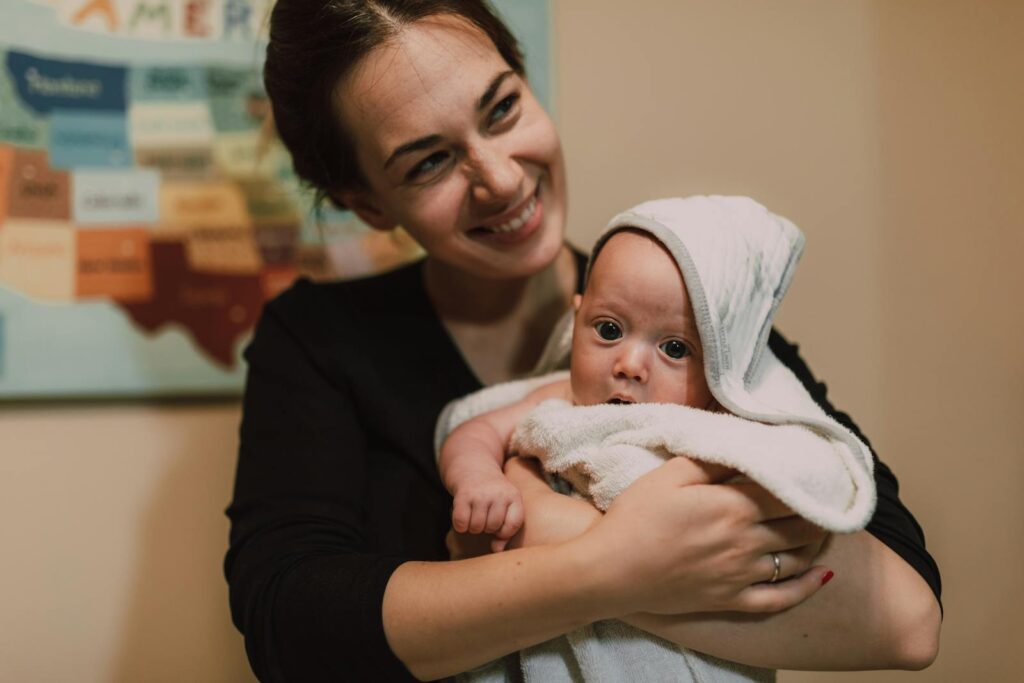
When a parent feels that something is off with their child, the clock starts ticking in a way that is hard to explain to anyone who has not lived it. For Stacy, a North Carolina mom, that uneasy feeling around her newborn daughter went from a quiet worry to what she later described as one of the most terrifying moments of her life in just a few hours. Her story is raw, frightening and, for a lot of parents, uncomfortably relatable.
What began as a subtle sense that her baby just was not acting like herself quickly turned into a medical emergency that would upend everything Stacy and her partner thought they knew about those fragile early weeks. Along the way, their experience shows how parental instinct, modern medicine and even social media can collide when something is seriously wrong with a child.
The first flicker of worry
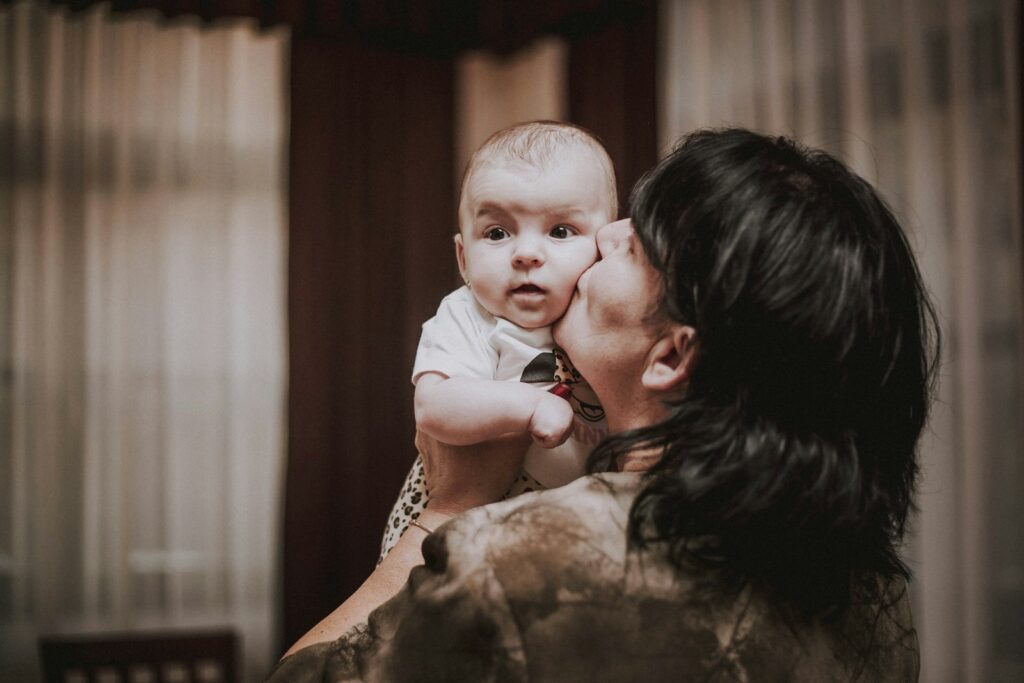
Stacy did not wake up planning to rush her newborn to the hospital. She and her partner Pablo were still in that hazy, sleep-deprived stretch of early parenthood, trying to figure out feeding schedules and how to get more than two hours of rest at a time. But as she watched her baby that day, tiny changes in her daughter’s behavior started to stack up in Stacy’s mind until they no longer felt like new-parent nerves. She noticed her little girl seemed less responsive, her movements a bit off, and the usual cues that comforted her were suddenly not working.
Instead of brushing it off, Stacy listened to that internal alarm. She and her partner Pablo, who is 32, decided they were not going to wait and see if things got worse. They bundled their daughter into the car and headed straight for medical help, choosing action over reassurance from friends or relatives who might have told them it was probably nothing. That choice, made in a moment of quiet panic, would end up changing the course of their lives.
The drive that changed everything
Once they were on the road, the reality of what might be happening started to sink in. Stacy kept glancing back at her daughter, trying to read every tiny expression and movement. The baby’s face, which should have been relaxed or scrunched in the familiar newborn way, looked different. Her eyes did not seem to lock onto anything, and the usual flutter of focus that parents cling to as a sign of normalcy just was not there.
She later described how, During the drive, she kept checking the rearview mirror and saw that her baby’s eyes appeared unfocused and were drifting in different directions. That detail, small on its own, landed like a punch. It was the kind of sign that is easy to miss in a busy pediatric waiting room, but impossible for a parent to ignore when they are inches away from their child. By the time they pulled into the hospital parking lot, Stacy’s quiet concern had hardened into a deep fear that something was seriously wrong.
From gut feeling to medical emergency
Inside the hospital, the shift from “worried parent” to “medical emergency” happened fast. Staff who see anxious moms and dads every day could tell this was not just a case of new-parent jitters. As doctors and nurses began their assessments, Stacy’s sense of dread only grew. She later said she had a deep, sinking feeling in her chest that something was very wrong with her baby, a feeling that no amount of calm talk could shake.
That instinct was not just emotional, it was accurate. As the hours unfolded, Stacy would experience what she described as Hours Later, She what she called One of the Most Terrifying Moments of My Life, Exclusive to those who first heard her story. The phrase is not dramatic when you understand that she was watching specialists race to figure out what was happening inside her daughter’s brain, while she stood by with almost no control over what came next.
A North Carolina mom who refused to be talked out of her fear
Stacy’s story is rooted in a specific place and time, but it taps into something universal for parents. She is One North Carolina mom who had every reason to accept the comforting line that babies are “just fussy” or that new parents worry too much. Instead, she leaned into the discomfort of being the one person in the room insisting that something was off. That choice did not come from medical training or a stack of textbooks, it came from paying close attention to her baby and to her own unease.
Her experience has since been held up as a reminder of why it is extremely important to trust parental intuition, especially in those early weeks when symptoms can be subtle. Reporting on her case notes that NEED to KNOW details include that One North Carolina parent, When Stacy, a 32-y old mother, pushed for answers, her family’s life was unexpectedly changed forever. That framing might sound dramatic, but for families who have been through similar scares, it feels more like a straightforward description of what happens when a quiet worry turns into a diagnosis that reshapes everything.
Why some parents are told they are “overreacting”
Stacy is not the only mother who has been told, directly or indirectly, that she is worrying too much. Another parent, who noticed her baby’s oddly shaped head after a traumatic birth, heard a chorus of people telling her she was going too far with her research and fears. She recalled that, Although there were people telling her she googled too much or that she was scaring herself unnecessarily, she could not shake the feeling that something was wrong. That tension between reassurance and instinct is familiar to almost every new parent who has ever typed symptoms into a search bar at 2 a.m.
In both cases, the mothers were navigating a culture that often labels women as anxious or dramatic when they push for more tests or second opinions. Yet their persistence led to serious medical discoveries that might have been missed if they had accepted the first wave of “it is probably fine.” Stacy’s decision to keep pressing, and the other mom’s refusal to ignore her baby’s odd-shaped head, show how easily valid concern can be dismissed as overreaction until a diagnosis proves otherwise.
The second hospital and a terrifying plan
For Stacy and Pablo, the first hospital visit was only the beginning. As doctors realized how serious their daughter’s condition might be, the family was transferred to a second facility with more specialized care. That move alone is enough to rattle any parent, but what came next pushed their fear to a new level. Suddenly, they were surrounded by a room full of experts, each focused on a tiny patient who could not speak for herself.
At the second facility, specialists filled the room and laid out a plan that would have sounded unthinkable to Stacy just hours earlier. They explained that At the second hospital, They planned to medically induce her baby into a coma to protect her brain while they tried to understand what was happening. For any parent, hearing the words “medically induced coma” in connection with a newborn is the kind of moment that splits life into a before and after.
How her story spread far beyond the hospital walls
Once the immediate crisis passed, Stacy did something that a growing number of parents are doing after medical emergencies: she shared her experience online. Her account of noticing something off with her daughter, racing to the hospital and then facing a nightmare scenario resonated with a huge audience. People were drawn to the way she described that sinking feeling in her chest and the speed with which a normal day turned into a fight for her baby’s life.
Coverage of her experience has highlighted how KNOWing her story can help other parents recognize when it is time to push for care, and how platforms like TikTok can turn a deeply personal crisis into a public lesson. One summary notes that One North Carolina mother, When Stacy, a 32-y parent, saw her two-week-old baby receive a scary diagnosis, her later decision to talk about it meant that their lives were unexpectedly changed forever in more ways than one. The medical emergency was the first shock, but the viral reach of her story became its own kind of turning point.
Other women living with the fallout of brain emergencies
Stacy’s daughter is not the only person whose brain health has suddenly become the center of family life. In a separate case, an actress has spoken publicly about living with a condition that caused her to suffer two brain hemorrhages. That kind of medical history is not just a line in a chart, it is a daily reality that shapes how she works, parents and plans for the future, and it underscores how fragile the brain can be even in adults who seem outwardly healthy.
Her experience has been shared widely, including in a post noting that The actress suffers from a condition that has caused her to have two brain hemorrhages. For parents like Stacy, stories like this land differently after they have watched specialists crowd around their child’s hospital bed. They are a reminder that brain injuries and neurological crises are not rare plot twists in medical dramas, they are real events that families quietly manage long after the headlines move on.
From private terror to public warning
Stacy’s account of her daughter’s emergency has been amplified across social platforms, where short clips and captions can carry a lot of weight. One widely shared post summarized how a Mom noticed something off with Her Daughter and, Hours Later, She Has what she called One of the Most Terrifying Moments of My Life, framed as an Exclusive look at what happened inside that hospital room. The language is stark, but it matches the intensity of what she lived through.
Another social update highlighted the same core message, noting that Mom Notices Something with Her Daughter, and that Hours Later, She Has One of the Most Terrifying Moments of My Life, Exclusive to those who followed her story in real time. For other parents scrolling on their phones, those posts are not just dramatic summaries, they are warnings wrapped in lived experience: if your gut is screaming that something is wrong, do not wait for someone else to validate it.
Why these stories keep going viral
Stacy is part of a broader wave of women who are turning deeply personal medical crises into public narratives. Another mother, who lost mobility after giving birth to her son, shared her journey online and watched it reach far beyond her immediate circle. She later explained that she did not post her story as a marketing move or a bid for attention, but because she wanted people to understand exactly what had happened to her and how quickly a normal delivery can spiral into something life altering.
Her account noted that And unexpectedly, her story found a huge new audience when she posted about it on TikTok, and She said the viral video was not some carefully crafted campaign, it was simply her trying to explain just what happened to me. Stacy’s decision to speak out fits that same pattern. These women are not chasing virality for its own sake, they are trying to turn their worst days into something that might help another parent recognize the early signs of a crisis and get help in time.
More from Decluttering Mom: