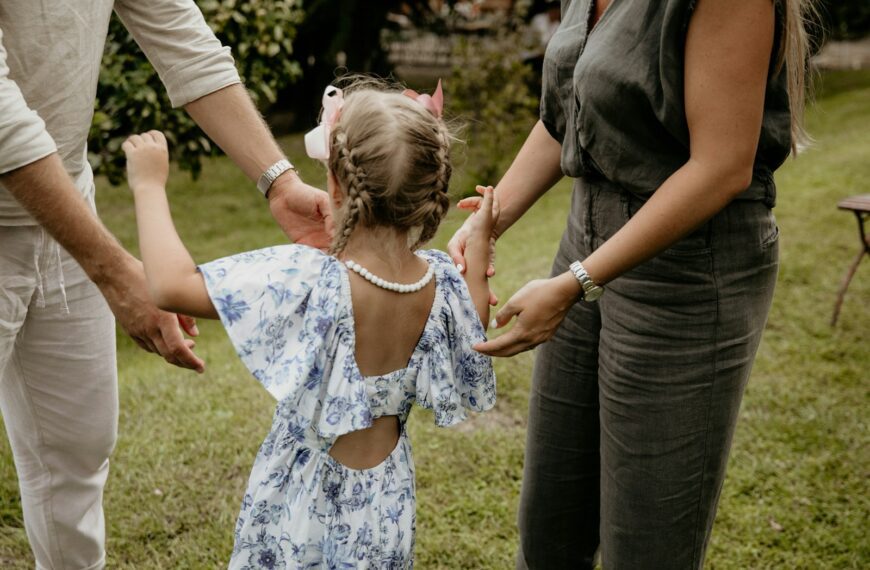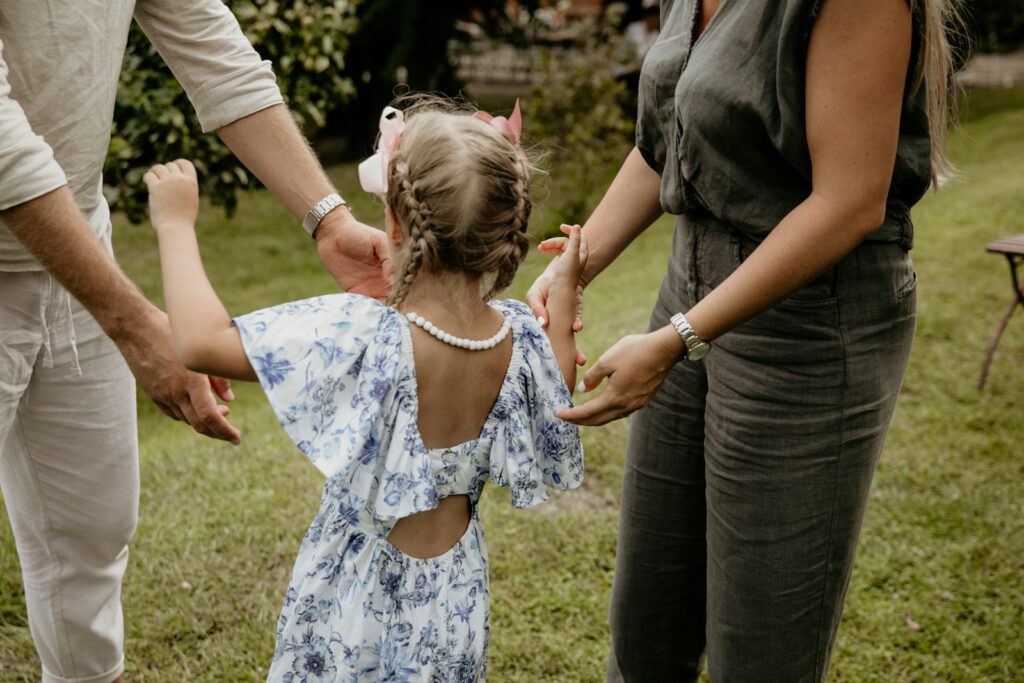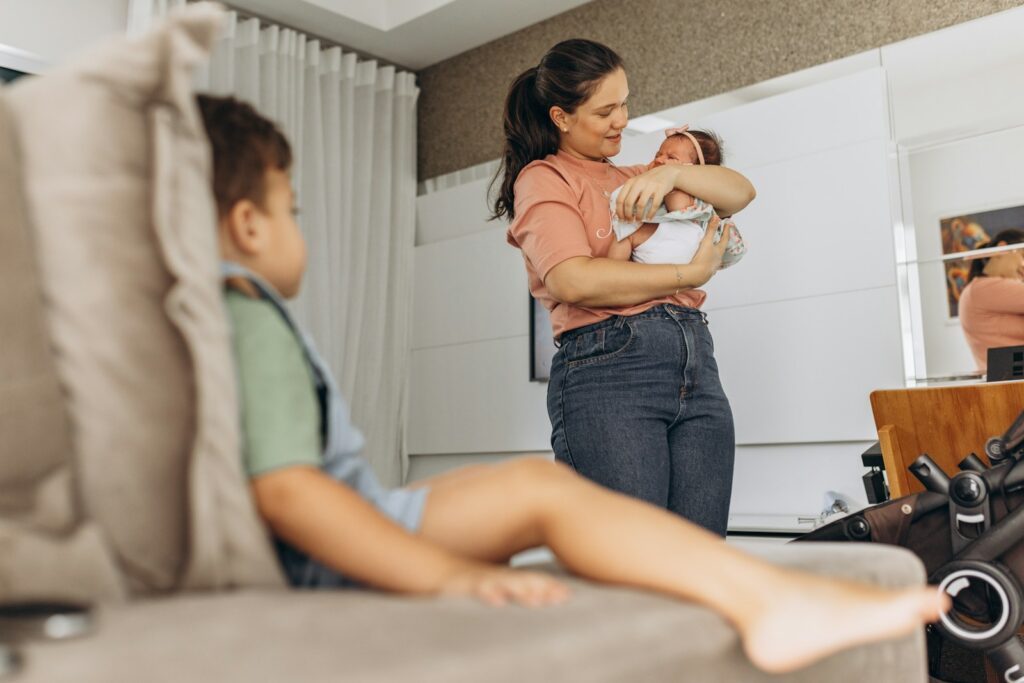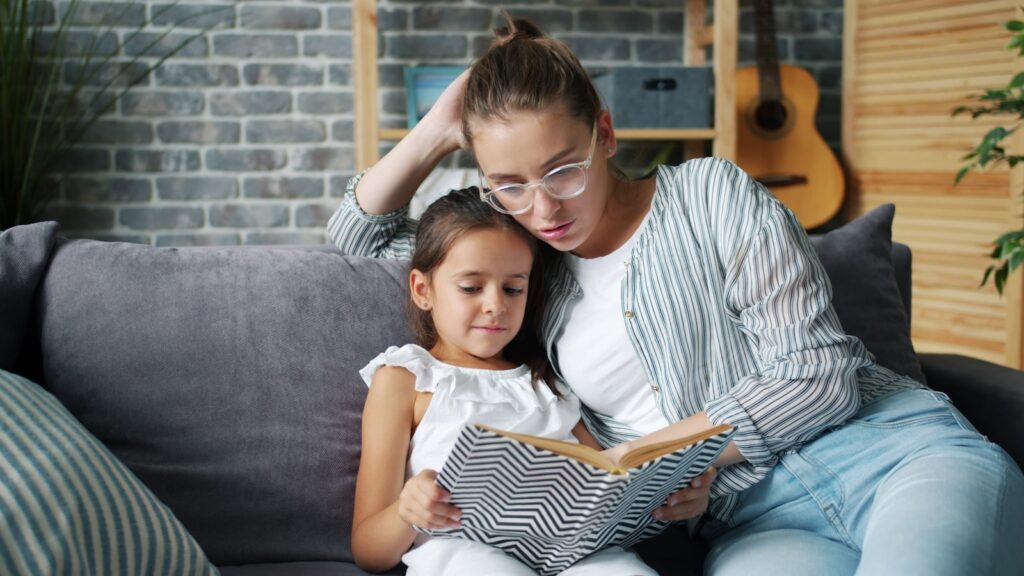
Parents used to worry mostly about cake flavors and goodie bags. Now, a surprisingly thorny question is turning kids’ parties into etiquette minefields: is it rude to ask if a sibling can come when only one child is invited? A viral mom who called the request “incredibly rude” has tapped into a deep divide among parents, with some insisting invitations are sacred and others arguing that real life, child care, and family dynamics are far messier than party-planning spreadsheets.
At the heart of the debate is a clash between two values that most caregivers share: wanting to respect a host’s limits and wanting to keep their own family logistics from collapsing. The result is a modern parenting standoff, where a simple text about a younger brother or sister can feel either like a reasonable question or an overstep that strains budgets, space, and patience.
The Viral Mom Who Called It “Incredibly Rude”

The latest flare-up started with a mom who said it is “incredibly rude” to ask to bring uninvited siblings to birthday parties, arguing that if a host wanted a brother or sister there, that child’s name would be on the invitation. In her view, the guest list is a boundary, not a suggestion, and parents who push to add extra kids are effectively asking the host to stretch food, favors, and activities beyond what they planned. Her stance, shared widely online, framed the issue as basic respect: the invitation is addressed to the child the host wants to celebrate, not the entire family.
That blunt take resonated with parents who are already juggling tight budgets and capacity limits at venues, especially when parties are held at trampoline parks or play gyms that charge per head. Supporters say hosts should not be put in the awkward position of turning down a sibling in real time or quietly absorbing extra costs because another parent did not want to arrange child care. The mom’s language about it being “incredibly rude” captured that frustration, and for many hosts, it felt like someone finally saying out loud what they had been muttering while counting pizza slices.
Why Some Parents Still Think It Is Fine To Ask
On the other side are parents who see a polite question as just that, a question, not a demand. Guidance shared with caregivers notes that if you have other children, you should not assume they can tag along, but it also acknowledges that invitations sometimes explicitly say “siblings welcome,” which signals that extra kids are expected. In that context, some parents argue that asking in advance, rather than showing up with an unannounced toddler in tow, is actually the more considerate move, especially when they are trying to navigate work schedules and limited child care options.
Experts who weigh in on modern party etiquette often land in a middle lane: it can be understandable to ask, but the key is to make it easy for the host to say no. Advice aimed at busy families stresses that parents should not feel pressured to agree if accommodating a sibling would strain their budget or overwhelm the birthday child. One set of recommendations even cautions that hosts may feel cornered if a parent asks in a way that assumes a yes, and suggests that caregivers phrase any inquiry lightly so the host does not feel pressured to say.
Traditional Etiquette: The Name on the Invitation Is the Guest
Classic etiquette still offers one of the clearest guideposts: the names on the invitation are the people invited, full stop. Party-planning pros and parenting writers repeatedly underline that proper party etiquette dictates that the guest list is defined by who is actually addressed, which is why some hosts now spell out “no siblings” to avoid confusion. One guide frames the question directly, asking “Do You Need to Specify ‘No Siblings’ at a Birthday Party?” and answers that, in theory, the invitation alone should be enough, but in practice, many hosts add a line to head off awkward conversations.
That same guidance notes that when hosts truly cannot accommodate extra children, they can gently clarify expectations in the invite, for example by mentioning limited space or prepaid head counts at a venue. The goal is not to shame parents of multiple kids, but to set expectations before anyone is standing at the door with an extra preschooler. Some etiquette experts go further, advising that parents should not request to bring siblings at all and instead look for child care or decline if they cannot attend without the rest of the family. One widely shared set of proper party rules and another list of birthday party etiquette both emphasize that parents should not ask to add siblings, which helps explain why some hosts react so strongly when they do.
The Reality Check: Child Care, Twins, And Whole-Family Invites
Even as etiquette rules circulate, real life keeps complicating the picture. In one online discussion, a user named Itchy-Confusion-5767 summed up a more relaxed view, saying it is normal to ask if siblings can come and just as normal for a host to say no. That comment reflects how many school communities operate, especially in early grades where parents are still figuring out norms and some families routinely host full-family gatherings. In those circles, a quick text about a younger sibling is treated as part of the back-and-forth of planning, not a breach of manners, and the expectation is that both sides can be honest without offense.
Social media has also highlighted edge cases that do not fit neatly into one-size-fits-all rules. A recent TikTok from a mom of identical five-year-old twin daughters, which drew over 730,000 views, sparked heated debate about whether both twins should always be invited to a classmate’s party. For that family, the question is not about tacking on a random sibling, but about two children who share a classroom, a social circle, and a birthday. Another viral creator, Jeena, explained that she often brings her whole family to parties and feels that if the event is at a public place, it is reasonable to assume siblings can attend, especially when she and her husband are both involved in supervising their kids. Her comments about always feeling like it is a “family thing” at a child’s celebration were shared widely after she spoke about her birthday party etiquette, underscoring how cultural expectations and family structures can shift what feels “rude” or reasonable.
How Hosts And Guests Can Share The Load
As the debate has spread, some parents argue that hosts share responsibility for avoiding confusion. In one widely discussed post, commenters pointed out that if you invite a child who has siblings, it helps to spell out your rules up front, whether that means saying “siblings welcome” or clarifying that the party is drop-off only. A Facebook thread that picked up the viral “incredibly rude” clip included reminders that this is a situation many families face, and that hosts can reduce friction by explaining expectations about extra kids before anyone shows up ready to perform before playing party games. That conversation, shared in an online debate, framed clear communication as a kindness to both sides.
Parenting experts echo that idea, suggesting that hosts include simple lines on invitations that either welcome siblings or explain that space or budget is limited. One set of recommendations notes that it definitely helps to specify whether siblings are invited, especially when parties are at pay-per-child venues, so guests are not left guessing. Another reminder aimed at caregivers acknowledges that everyone is trying to do their best, and encourages parents who are in a bind to be honest about child care challenges while still respecting the host’s limits. Those themes surface repeatedly in guidance that says clear communication and, as another section of the same advice puts it, remembering that everyone is just trying to do can keep the focus on the kids instead of the conflict.
More from Decluttering Mom: