


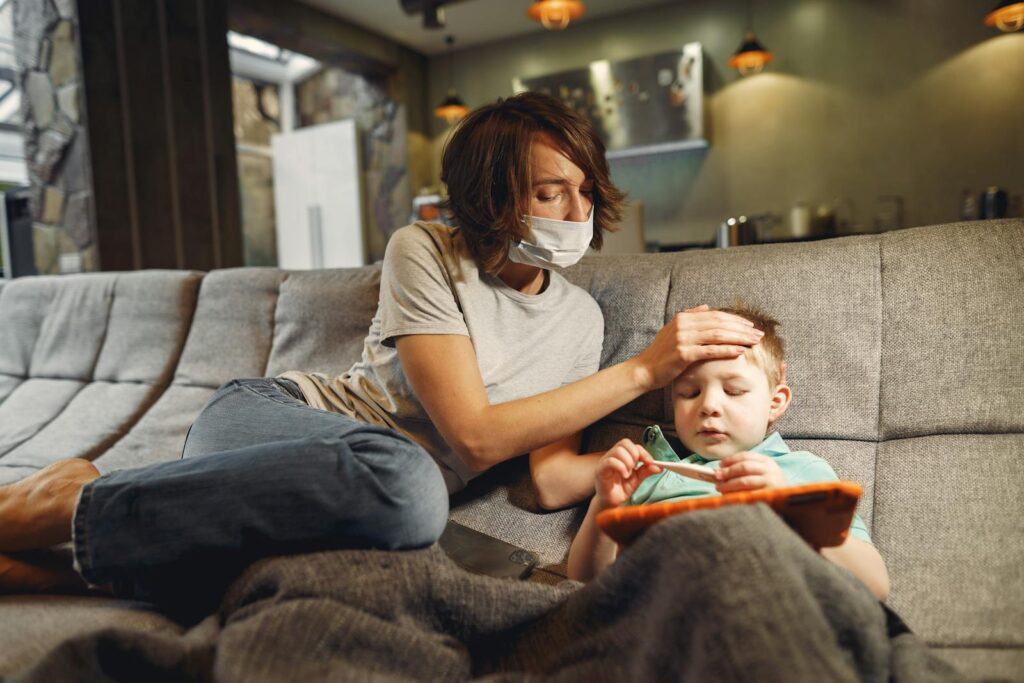
You might think a runny nose and sniffles are nothing serious, but when a child suddenly wakes up screaming from intense itching, the situation can change in minutes. Act quickly: sudden, severe itching or unexplained screaming can signal an allergic reaction, infection, or another urgent problem that needs immediate attention.
This post will walk through how to spot unusual signs when a “cold” behaves oddly and what steps to take right away, so caregivers can act with confidence rather than panic. Expect clear guidance on warning signs, likely causes, and when to seek emergency care.
When a Cold Isn’t Just a Cold: Recognizing Unusual Symptoms


Watch for symptoms that don’t fit a typical mild cold: intense itching or a new rash, sudden changes in thinking or behavior, breathing difficulty, high fever, or symptoms that worsen after initial improvement. These signs often mean a different infection, allergic reaction, or complication that needs prompt evaluation.
From Mild to Alarming: When Nighttime Itching Strikes
Nighttime itching that wakes a child and causes screaming is not typical for an ordinary cold. Intense pruritus (itching) localized to the skin suggests a dermatologic reaction—like contact dermatitis, insect bites, or scabies—or a systemic cause such as an allergic reaction or drug reaction. Itching that starts suddenly and is severe, especially if it occurs with swelling, hives, or difficulty breathing, should prompt immediate medical care.
If itching worsens at night, note location, appearance, and any recent exposures: new soaps, pets, laundry detergent, or outdoor play. Photograph the skin, avoid scratching, and use cool compresses or an antihistamine if advised by a clinician. Persistent nocturnal itching that spreads or is accompanied by fever, lethargy, or breathing changes requires urgent pediatric evaluation.
Itchy Rash vs. Viral Rash: How to Tell the Difference
Viral rashes often appear with fever and respiratory symptoms; they can be blotchy, widespread, and fade with fading fever. An itchy rash from an allergic cause tends to form raised welts (hives), appears suddenly after exposure, and moves around the body. Scabies causes very intense itching, especially at night, with small burrows, vesicles, or pimple-like bumps in finger webs, wrists, and waistline.
Use these clues:
- Hives/welts, rapid onset after exposure → likely allergic reaction.
- Intense nocturnal itching with linear burrows → consider scabies.
- Widespread maculopapular rash with fever and cough → consider viral exanthem.
Document timing, pattern, and associated symptoms (fever, cough, vomiting). When diagnosis is uncertain or rash progresses quickly, seek same-day medical review.
Red Flags: Confusion, Delirium, and Sudden Behavioral Changes
Sudden confusion, delirium, or marked behavioral change in a child with what seemed like a cold signals possible serious illness. These signs can indicate high fever, dehydration, hypoxia, severe infection (like meningitis or sepsis), or medication reaction. Any new disorientation, difficulty recognizing caregivers, extreme sleepiness, or bizarre behavior requires urgent evaluation.
Check responsiveness, breathing, and hydration; call emergency services if the child is hard to wake, has trouble breathing, bluish lips, or seizures. If confusion is milder but new—such as slurred speech or unusual disorganized behavior—transport to urgent care for rapid assessment, oxygen check, and possible laboratory testing.
Common and Serious Reasons Kids Wake Up Screaming and Itching
Children who wake up screaming from intense itching may have a common skin condition, a contagious infestation, or an allergic reaction. Some causes are treated at home; others require urgent medical care if the child also shows fever, sudden confusion, or signs of delirium.
Atopic Dermatitis, Scabies, and Urticaria: What Parents Should Know
Atopic dermatitis (eczema) often shows as very itchy, dry patches on the cheeks, elbow creases, wrists, or behind the knees. Itching can be worse at night; scratching breaks skin and raises infection risk. Moisturize twice daily with a fragrance-free emollient and use short, lukewarm baths to reduce flareups.
Scabies causes intense, widespread night itching and small burrow lines or bumps, especially between fingers, wrists, and waist. It spreads easily in close-contact settings and needs prescription topical or oral treatment for the entire household.
Urticaria (hives) produces raised, itchy welts that move around the body. Acute hives often follow foods, medications, or insect stings and usually respond to oral antihistamines. If swelling affects breathing or the face, treat as an emergency.
Medical Emergencies: When Itching Isn’t the Only Symptom
If a child has intense itching plus fever, lethargy, altered behavior, or sudden confusion, seek immediate care; those signs can indicate systemic infection, severe allergic reaction, or neuroinflammatory conditions. Delirium — fluctuating attention, disorientation, or hallucinations — is rare but urgent when it appears with a new rash.
Watch for rapid breathing, difficulty swallowing, swollen face or throat, or persistent vomiting. Those symptoms suggest anaphylaxis or severe systemic illness. Also consider infections like chickenpox or bacterial skin infections that combine itch with fever and general unwellness.
What To Do Next: Home Remedies, Treatment, and When To See a Doctor
Begin with gentle measures: trim nails, put cotton gloves on at night, apply fragrance-free moisturizer after bathing, and lower bedroom temperature to reduce sweating. Use oral antihistamines for itch relief if recommended by a pediatrician; avoid sedating adults’ medications without advice.
For suspected scabies, contact the pediatrician for confirmation and a prescribed scabicide; treat close contacts at the same time. For widespread or infected-looking skin (increasing redness, pus, spreading streaks), get prompt medical assessment—topical or oral antibiotics may be needed.
If the child shows breathing trouble, facial swelling, persistent high fever, sudden confusion, or any signs of delirium, call emergency services immediately. For non-emergent but persistent problems, make an urgent pediatric appointment and consider a dermatology referral for chronic or unclear rashes.
More from Decluttering Mom: