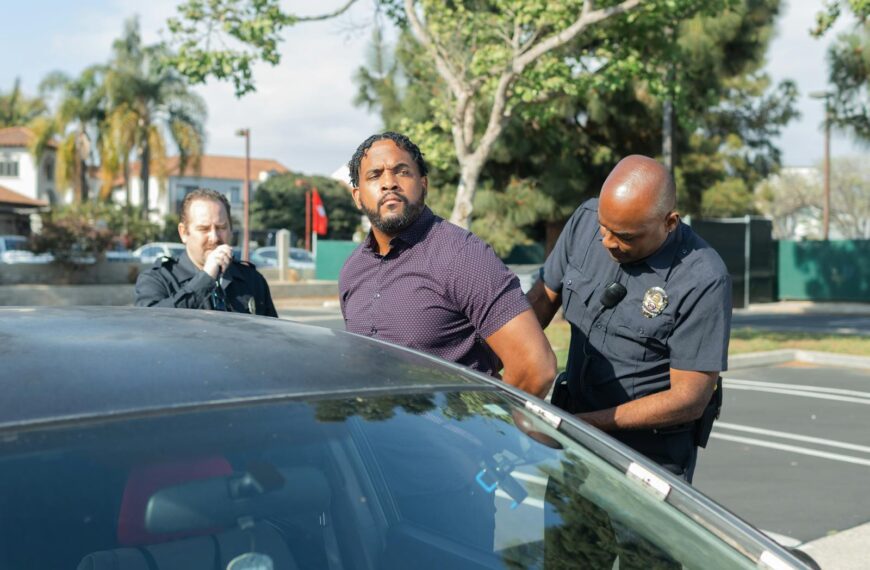
A sixth grader walking across his own schoolyard should not have to brace for a punch to the face and a racial slur. Yet that is exactly what one mother says happened to her son, and now she is weighing whether to press charges against the 8th grade boys she believes targeted him. Her anger sits at the intersection of two painful realities: school bullying that turns physical, and racism that follows kids right into the classroom.
Her story echoes a pattern parents around the country have been sounding the alarm about, from hallway assaults to racist group chats that start on phones and spill into real life. Hanging over all of it is a simple but heavy question: when a child is attacked and demeaned on school grounds, who is actually going to protect that child, and how far should a parent have to go to get accountability.
What the Mom Says Happened on School Grounds
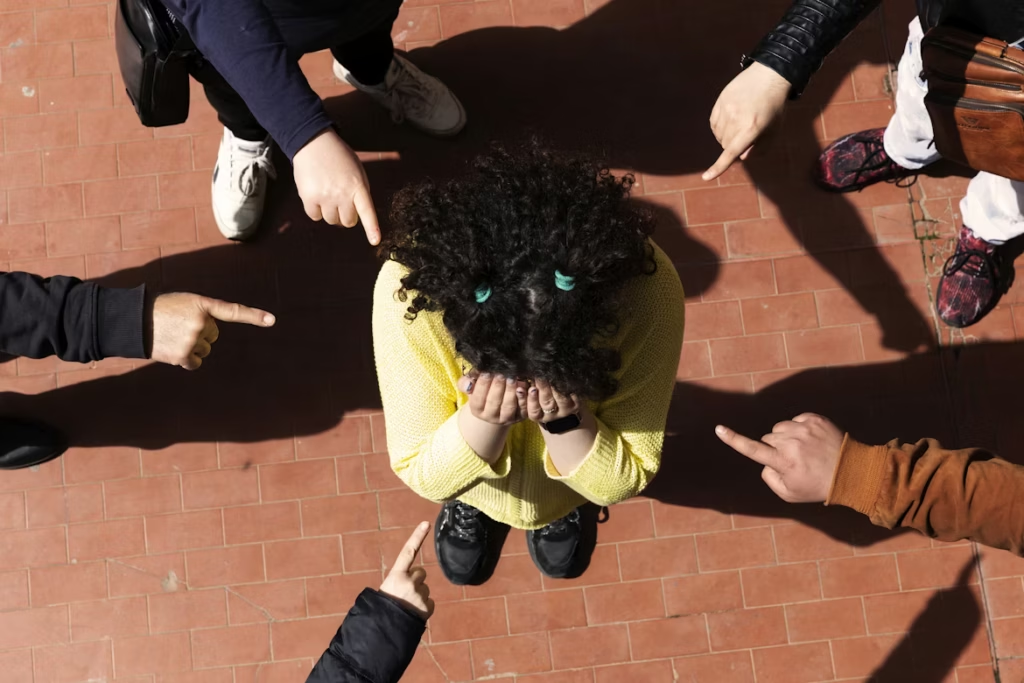
The mother at the center of this case says her sixth grade son was on campus when a group of 8th grade boys confronted him, hit him, and hurled a racist insult. She describes a punch that left her child shaken and confused, followed by a slur that cut even deeper than the blow. In her telling, the attack was not a misunderstanding or a scuffle between friends. It was a targeted act that made her son feel small on the very property where he is supposed to be safe.
Her account tracks closely with what another parent, identified as Liante, described when she said her own 6th grader, Nivre, was punched by a fellow student and then called a vile racial epithet inside a school building. In that earlier case, Liante said there was no clear sign that the student who used the slur would face any punishment for the language, even though her son had already been hurt physically. She recalled that Nivre was so rattled by the events that he struggled to feel secure returning to class the next day, and she went back to the school to speak with him in person.
In the new incident, the mother is now considering pressing charges because she fears that if she does not, the message to her son will be that what happened to him does not really matter. The fact that the alleged attack took place on school grounds raises the stakes, since it puts the spotlight on how administrators handle both the violence and the racist language.
The School’s Response and a Familiar Pattern
When a middle school fight is reported, parents often expect a clear, decisive response from staff. Many instead describe a familiar pattern: a call from the office, vague talk about “looking into it,” and then a long wait with few details about consequences for the aggressors. In the case involving Liante and her son, she said she left those early conversations feeling that the racial insult was being treated as an afterthought rather than as part of the harm her child experienced. That gap between what families live through and what schools treat as urgent is where trust starts to crack.
Other parents have voiced similar frustration. In one district, a Northside ISD mother said her son was assaulted by another student and she wanted clear answers about how officials would respond. She described going to the campus after her child was hurt and pressing staff to explain why the situation had not been handled more forcefully. Her account, shared in a televised interview, highlighted how quickly a parent’s focus shifts from the attack itself to the system that is supposed to respond to it.
In the current case, the mother weighing criminal charges is facing that same dilemma. She can push the school to discipline the 8th graders internally, or she can go to police and ask them to treat the punch and the slur as potential crimes. Either way, her decision is shaped by how confident she feels that school leaders are taking her son’s experience seriously.
Why Parents Turn to Police and the Courts
When school discipline feels weak or inconsistent, some parents decide that the only way to protect their children is to involve law enforcement. That is not a theoretical choice. At Hilliard Heritage Middle School, for example, a 13-year-old 8th grader was charged with assault after he punched another student. In the police report, an officer wrote, “I asked (the teen) why he went up and punched him, and he said he did it because he was tired of being bullied.” The case sparked protests from parents who said the accused teen had been bullied himself and questioned why the situation had escalated into a criminal matter at all.
That incident, detailed in a report on an 8th grader assault, shows how quickly a schoolyard conflict can move into the legal system. For the mom whose sixth grader was allegedly punched and targeted with a slur, that same path is now on the table. She is not just weighing what is fair for the boys accused of hurting her son. She is also thinking about what it would mean for him to see adults treat the attack as serious enough to involve the courts.
Parents who choose that route often say they feel they have run out of options inside the school. They point to repeated complaints, meetings with principals, and promises of anti-bullying programs that do not seem to change the day-to-day reality for their kids. At a certain point, involving police becomes less about punishment and more about sending a signal that their child’s safety is nonnegotiable.
Racism Mixed With Bullying Hits Harder
Bullying on its own can be devastating. Add racism to it and the impact deepens, because the child is not just being targeted as an individual but as a member of a group that has historically been demeaned and excluded. In the case that involved Liante and her son, the punch and the racial insult came as a package, and she made clear that the slur was not a side detail. It was central to why she was so outraged.
Similar stories have surfaced across the country. In Plano, Texas, a family said their 8th grade son was the target of racist bullying that escalated to a shocking incident where he was allegedly forced to drink urine. That case, described in a report titled “Mom Says Plano 8th Grader Was Victim Of Racist Bullying, Forced To Drink Urine,” prompted Plano police and the school district to investigate claims that the student was assaulted while a video circulated on social media. The coverage noted that the piece was produced for KERA and credited “Mom Says Plano,” “Grader Was Victim Of Racist Bullying, Forced To Drink Urine,” “KERA,” and “By Bill Zeeble, Bekah Morr” as part of the full description of the report.
In another district, a student named McClellan said he was called the N-word and a “monkey” among other racial slurs, and he described how the bullying had happened several times over his time at school. He said he did not feel protected or safe, a stark summary of what repeated racist harassment can do to a child’s sense of belonging. When a sixth grader like the boy in the current case hears a similar slur right after being hit, the message is not just “you are weak” but “you do not belong here.”
More from Decluttering Mom: