

Getting rid of 500 things in a single month sounds like a physical challenge, but one mom says the heavy lifting is actually emotional. In a video from @lauraelizabethschroeder, she explains that she is documenting this October as she gets rid of at least 500 things, and that she is now about 100 items away from her goal.

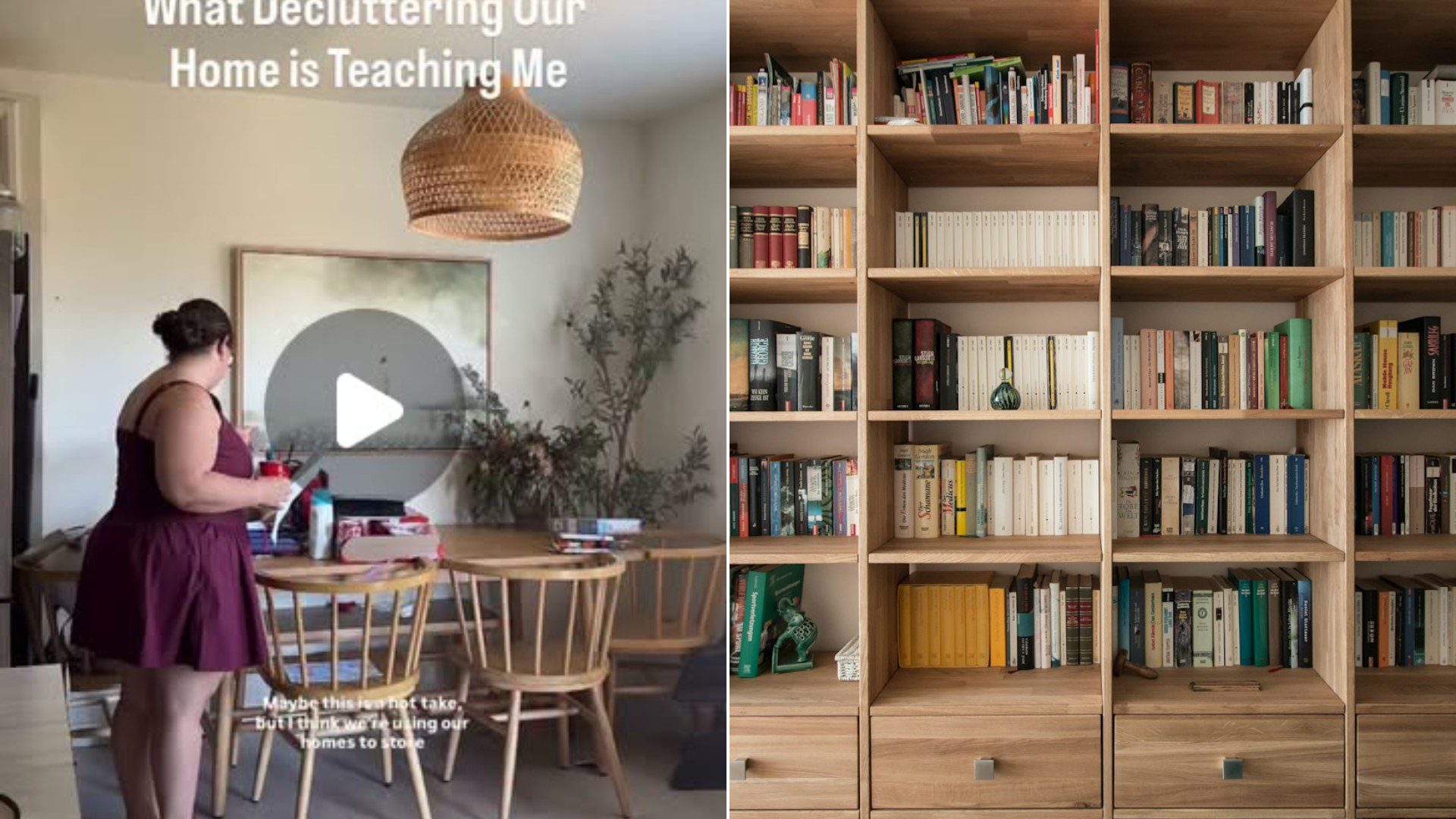
Her message struck a chord. The post asks a question that many viewers clearly recognize: Am I the only one who holds onto things out of guilt, because letting them go somehow feels even worse?
The Hardest Part Is Not the Stuff
According to the creator, the toughest part of decluttering is not the work of sorting and hauling. It is confronting the feelings attached to the things in your home. She says clutter often stores emotions, and she walks through several of them.
There is the guilt of money wasted on something you bought and never used. There is the gift you never really liked. There are the books you swore you would read, and the workout gear and hobby supplies that stand for versions of yourself you once intended to become. And there are kids’ clothes, which she says hit especially hard because children will never be that little again.
Then she makes the point that gives the video its power. Keeping those things does not change any of it. In her words, you cannot undo a bad purchase by keeping it forever, you cannot make yourself love a gift, and you cannot stop your kids from growing up.
It Is Okay for Letting Go to Feel Hard
The creator says it is okay to let the feelings be hard, and that getting rid of something does not mean it did not matter. She says she is giving herself permission to let go, and that we all deserve homes that are not weighed down by things kept out of guilt or fear.
That is a gentle and useful way to look at a pile of belongings. You do not have to pretend you feel nothing about an item to part with it. You can honor what it meant and still decide it does not belong in your daily life.
How to Let Go of Guilt Items
The video does not lay out a step by step plan, so the tips below are general ideas that many organizers and parents suggest, not claims from the creator. Take what helps and leave the rest.
Start with the easy wins. Expired products, broken items and duplicates rarely carry much emotion, and clearing them builds momentum before you reach the harder categories.
Name the guilt out loud. Is it about the money, the person who gave it to you, or the version of you that never happened? Once you can say it plainly, the item often loses some of its grip. Many people find it helps to remind themselves that the money is already spent whether the item stays or goes.
Keep the memory, not the object. For a gift from someone special or a sentimental toy, consider a photo, then let the item go. For children’s clothes, some parents choose one or two favorite pieces to save in a small memory box and pass the rest along.
Give it a deadline. If you are unsure, put the item in a box, write a date a few months out on the lid, and set it somewhere out of the way. If you never open it, that is a strong sign you can donate it without looking inside.
Let it be useful to someone else. Outgrown clothes, unread books and unused hobby gear can often be donated, passed to a friend, or sold if they are in good shape. Knowing that something will be used again can make parting with it feel like a kindness instead of a loss.
Where to Donate or Sell
Many donation centers and thrift stores accept clean clothing, books and household goods, and local parent groups often welcome gently used children’s items. Higher value pieces can sometimes be sold through online marketplaces or consignment shops. If a sale feels like one more chore, remember that simply donating is a perfectly good outcome. Check what your local donation spot accepts before you load the car.
Pace Yourself
A goal like 500 things in a month is the creator’s own challenge, and it works for her. If that number feels like too much, scale it down. Ten things a day, one drawer, or one shelf is still progress. The goal is not a number, it is a calmer home.
Be kind to yourself on the days it feels heavy. The creator’s reminder is that these feelings are normal, and that a home weighed down by guilt is not serving you or your family.
The Takeaway
If you have been holding onto something because letting go feels like admitting a mistake, this mom has a gentle message for you. You are not the only one, the feelings are real, and keeping the item will not change the past. Give yourself permission, start small, and let your home feel lighter.
More from Decluttering Mom
- She Finally Tackled The Closet Where Everything Without A Home Ends Up, And Found A Random Bowling Pin, Cheerios, And Food Her Dog Buried
- Her Deli Meat Maker Sat Unused For 128 Days, And She Says Letting Go Of Perfectly Good Stuff Is Not Wasteful At All
- Mom Kicks Off a Room by Room Declutter Series With Her Badly Neglected Pantry, Checking Every Expiration Date and Listing Everything That Has to Go