More than 20 students in India ended up in the hospital after eating a school lunch that had reportedly been cooked the previous day and reheated before being served. What should have been a routine midday meal turned into a frightening lesson in how quickly food safety shortcuts can spiral into a medical emergency.
The incident has rattled parents, put school administrators on the defensive, and raised fresh questions about how carefully massive school meal programs are monitored. It is also a stark reminder that when adults cut corners in kitchens, children are the ones who pay the price.
What Happened Inside the School Kitchen
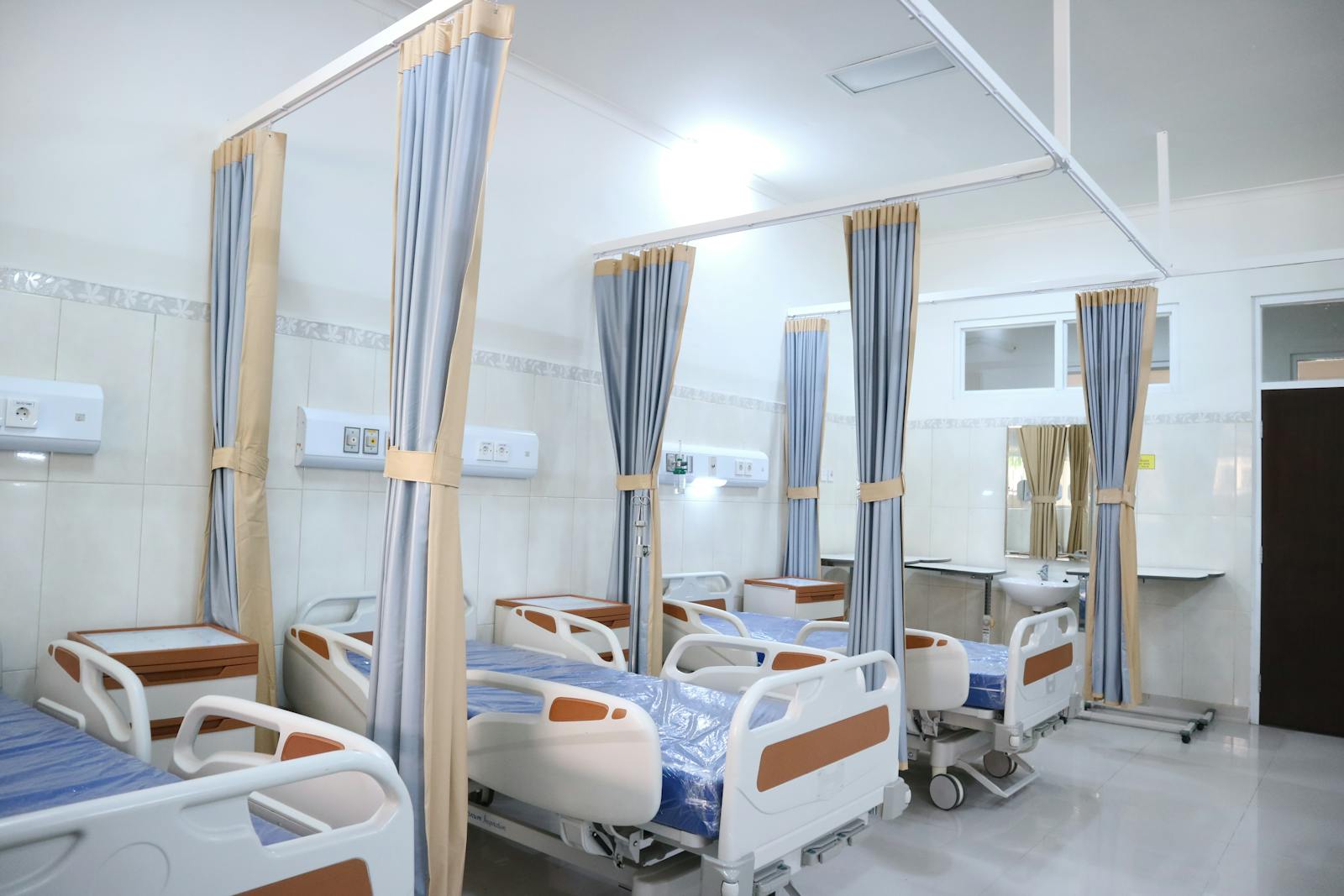
The scare began when students at a government school in the Indian state of Telangana sat down for their mid-day meal and soon started complaining of stomach pain, vomiting, and diarrhea. According to local reports, at least 42 children ate the meal, and more than 20 of them were later hospitalized with symptoms consistent with suspected food poisoning after eating what officials say was a day-old lunch that had been reheated and served again. The students were part of India’s massive mid-day meal scheme, a program designed to provide free lunches to schoolchildren, but on this particular day the food that was supposed to support their learning instead sent them to emergency wards, as described in accounts of the Telangana incident.
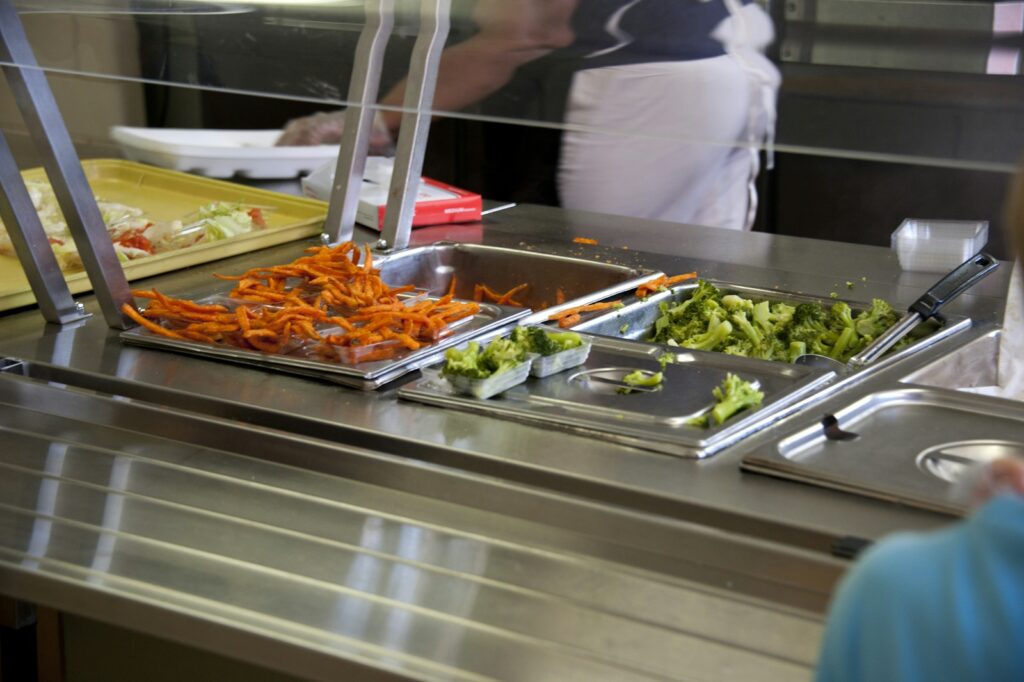
Officials say the meal had been prepared the previous day and stored overnight before being reheated and served, a practice that can be risky in hot climates when kitchens lack reliable refrigeration and strict temperature controls. After the children fell ill, they were rushed from the school to nearby medical facilities, where doctors treated them for dehydration and other complications linked to foodborne illness. Reports note that more than 20 children were admitted for observation after eating the reheated lunch, while others who had milder symptoms were treated and monitored, a pattern echoed in detailed coverage of the over 20 hospitalizations.
Inside the Children’s Symptoms and Treatment
Once the meal was served, the first warning signs showed up quickly. Students began reporting sharp stomach pain, followed by bouts of vomiting and diarrhea that spread through the group in a matter of hours. These are classic red flags for food poisoning, and in a school setting they can escalate fast, especially for younger children who are more vulnerable to dehydration and shock. Accounts from the scene describe children doubled over in discomfort and teachers scrambling to get them medical help as the number of sick students climbed past 20, a sequence that aligns with reports that the children suffered vomiting, diarrhea, and stomach pain after eating the day-old lunch.
Doctors at the hospital treated the students with fluids and medication to control nausea and stabilize their condition. While the symptoms were serious enough to warrant hospitalization, officials have indicated that the children’s lives were not in immediate danger once they received prompt care. Still, the episode underscores how quickly a contaminated meal can overwhelm a school’s basic first-aid capacity and force families into crisis mode. Medical staff and local authorities have described the cluster of cases as suspected food poisoning linked to the reheated meal, a conclusion that matches the pattern of stomach pain and other symptoms documented after the mid-day meal was served.
Accountability, Show Cause Notices, and a Shaken Community
Once the immediate medical emergency was under control, attention shifted to how such a basic failure in food handling could happen inside a government school. Education officials issued a show cause notice to the school’s principal, a formal step that requires the person in charge to explain in writing why action should not be taken against them. That notice signals that authorities are treating the lapse as more than an unfortunate accident and are probing whether staff ignored rules on how long cooked food can be stored and how it should be reheated before serving. The move against the principal was described explicitly as a show cause notice in coverage of the school’s leadership.
For parents, the bureaucratic language of notices and inquiries does little to blunt the shock of seeing their children hooked up to IV lines because of a school lunch. Many rely on the mid-day meal program not just as a nutritional supplement but as a guarantee that their kids will get at least one safe, hot meal during the day. When that trust is broken, it shakes confidence in the entire system, not just one campus. Local reporting notes that at least 42 children ate the meal and more than 20 were hospitalized, a scale that has fueled anger and demands for stricter oversight of the school’s food operations.
Why Reheating Day-Old Food Is So Risky
Reheating leftovers is a normal part of home life, but doing it safely for dozens of children in a school kitchen is a different challenge. Food that sits too long at room temperature or in poorly cooled containers can become a breeding ground for bacteria, and simply warming it up again does not always make it safe. In hot regions, the margin for error is even smaller, especially when kitchens lack industrial refrigerators, thermometers, or staff training in safe storage times. The Telangana case, where a day-old lunch was reportedly reheated and served to students who then developed classic food poisoning symptoms, is a textbook example of how those risks play out in real time, as reflected in accounts of the reheated school meal.
Public health guidance typically stresses that large-scale kitchens should avoid serving food that has been held overnight unless it has been cooled and stored under strict conditions and then reheated to a high enough temperature to kill harmful bacteria. Even then, the safest option for vulnerable groups like schoolchildren is freshly prepared food. In India’s mid-day meal program, which is one of the largest school feeding schemes in the world, those standards are supposed to be built into contracts and training for cooks. The fact that a day-old meal was reportedly served anyway suggests gaps in either enforcement or resources, a concern that surfaces in detailed descriptions of how the mid-day meal scheme operates.
Parents, Policy, and the Future of School Meals
For families in the affected community, the immediate priority is making sure their children recover fully, but the bigger question is whether they can trust the school lunch line again. Many parents send their kids to class with the understanding that the government-backed meal is both nutritious and safe, and they often have limited means to provide an alternative if that promise falls apart. The Telangana scare has prompted calls for more frequent inspections of school kitchens, better training for cooks, and clearer rules that ban serving food prepared the previous day, especially in areas where refrigeration is unreliable. Those demands echo the anxiety felt after more than 20 children were hospitalized with vomiting and diarrhea linked to the day-old school lunch.
Policymakers now face a familiar balancing act: keeping a vast feeding program running at scale while tightening the rules that are supposed to keep children safe. That could mean investing in better kitchen infrastructure, from refrigerators to storage containers, and enforcing penalties when schools cut corners. It may also require more transparency, so parents know how food is handled and can push back when they see risky practices. The school at the center of this case is located in a specific community that can be pinpointed on local maps, but the questions it raises about food safety and accountability stretch far beyond one campus or one state.
More from Decluttering Mom: