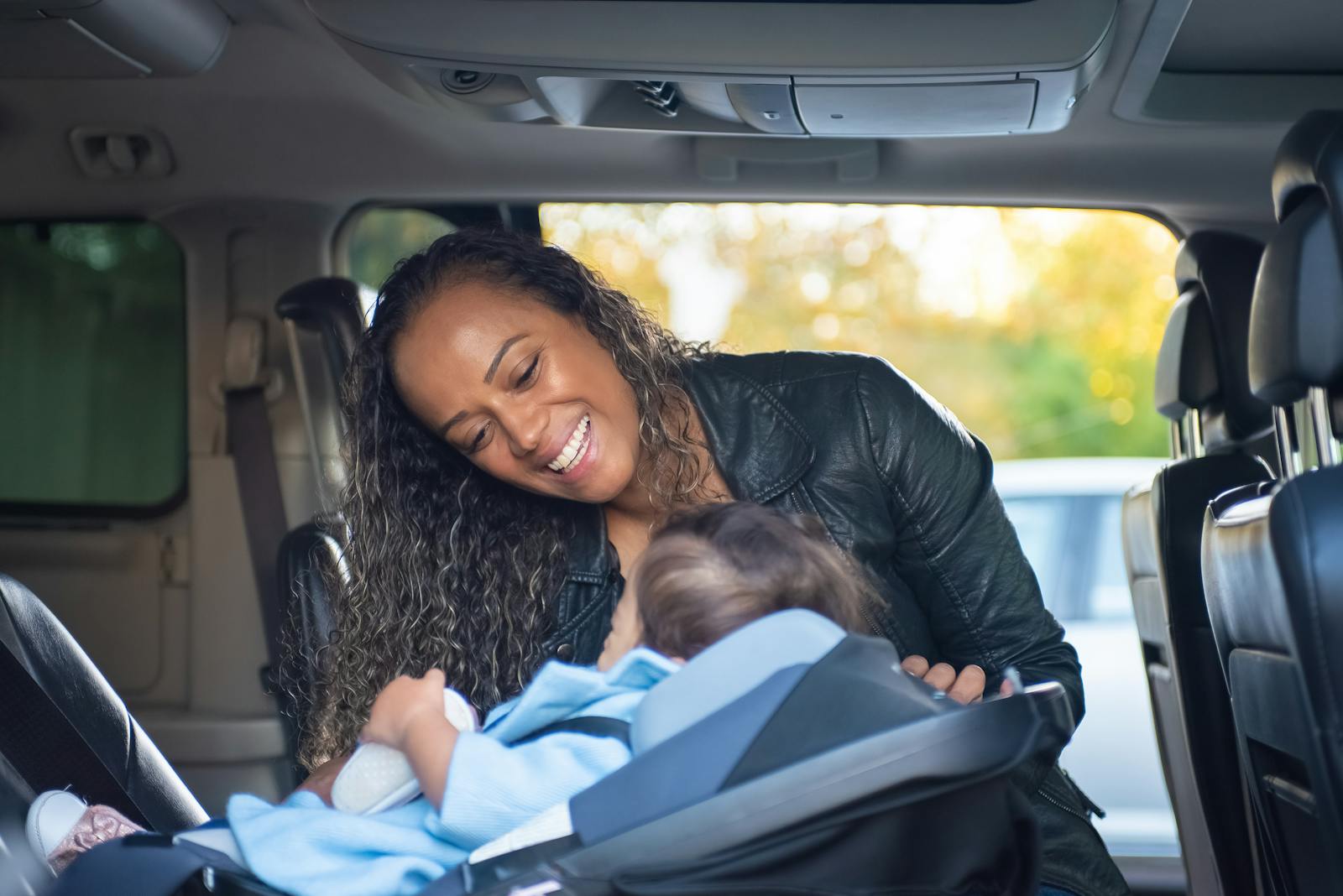
Moving a child into a forward-facing car seat feels like one of those big parenting transitions that should make life simpler.
The seat looks bigger. The setup feels more familiar. And once the harness is snug and the seat seems tight, a lot of parents assume they are done.
That is exactly where one of the most commonly missed steps can slip by.
One Instagram post making the rounds shows the problem clearly. @clekinc captured a moment that put it perfectly by calling out the step many families miss after the forward-facing switch: the top tether. The post is useful not because it is dramatic, but because it points to a real safety gap that can happen when parents think the seat belt or lower anchors are the whole install. NHTSA and the American Academy of Pediatrics both say the top tether should be used with forward-facing seats, and NHTSA calls it a very important step because it limits forward movement in a crash.
View this post on Instagram
The Part Parents Think They Already Finished
A lot of the confusion starts because parents are focused on the main install.
They check whether the car seat moves less than an inch at the belt path. They make sure the harness is right. They choose either the seat belt or lower anchors. All of that matters. But for a forward-facing harnessed seat, there is still one more piece: the tether strap that comes from the top of the car seat and hooks to the vehicle’s tether anchor. NHTSA says that tether is used to secure a forward-facing car seat and limit forward head movement in a crash.
That is the part many parents miss after the turn-around.
Rear-facing installations in the United States usually do not use a tether, so when families switch modes, it is easy to keep thinking in terms of “the seat is tight, so we’re done.” But forward-facing is different. AAP says the top tether should always be used with a forward-facing seat whether the car seat is installed with the vehicle seat belt or lower anchors.
Why This One Strap Matters So Much
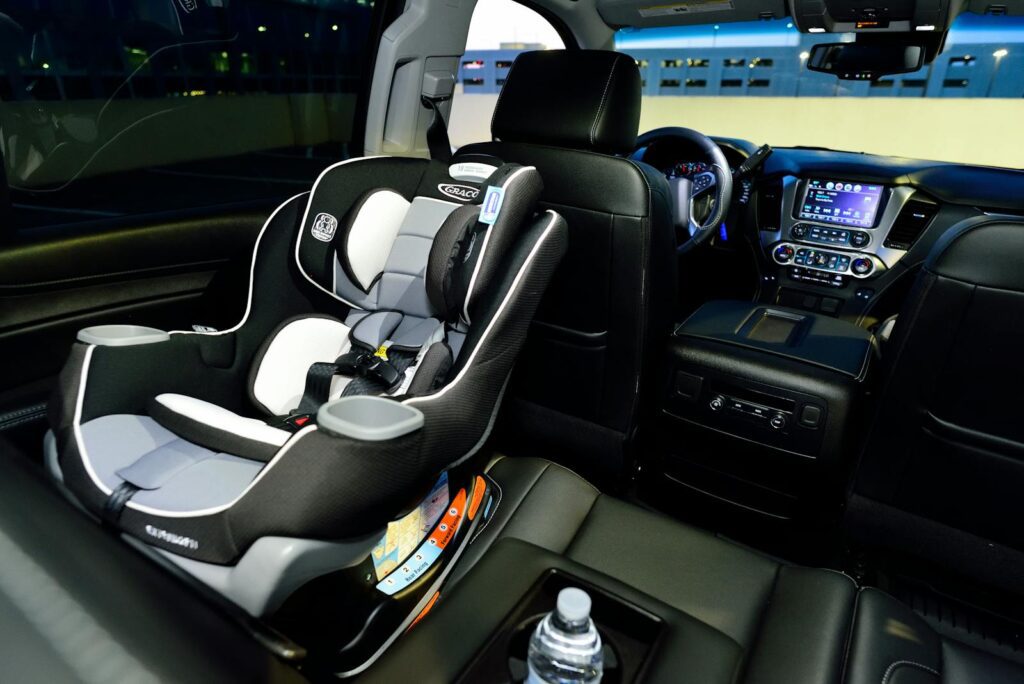
This is not a small finishing touch.
CDC says a top tether can reduce a child’s head movement in a crash by about 4 to 6 inches, and NHTSA repeatedly says the tether is very important because it limits forward movement in a crash. That is why the guidance is so consistent across agencies: once a child is in a forward-facing harnessed seat, the tether is part of the safe install, not an optional extra.
AAP puts it even more plainly for families: use the tether for all forward-facing seats, and keep checking both the car seat instructions and the vehicle owner’s manual for tether-anchor locations and weight limits. Those details can vary by seat and by vehicle, which is why parents are told to follow both manuals, not just one.
The Forward-Facing Mistake That Looks “Good Enough”
This is what makes the mistake so easy to miss.
A forward-facing seat can look properly installed even when the top tether is not attached. It may feel solid at the lower belt path. It may seem secure enough for everyday driving. But the reason safety agencies keep singling out the tether is that crash protection is not just about whether the base feels tight when parked. It is also about controlling how much the seat and the child’s head move forward during a crash.
That is also why the reminder lands so hard with parents. The missed step is usually not about carelessness. It is about assuming the job was finished one step earlier than it really was.
Where to Check Before the Next Ride
The tether anchor is in the vehicle, not just on the seat, and its location depends on the car. AAP says tether anchors may be on the panel behind the seat in sedans, or on the seat back, ceiling, or floor in many SUVs, hatchbacks, minivans, and pickups. NHTSA says to review both your car seat manual and your vehicle owner’s manual carefully, because installation details vary from model to model.
So the real takeaway is simple: if your child just switched to forward-facing, do not stop at “tight enough.” Check that the seat is installed correctly, that the tether is attached to the right anchor, and that you are within the limits in both manuals. If you want another set of eyes on it, NHTSA says certified technicians can inspect car seats, often for free, and help families confirm they are using them correctly.
Why This Reminder Is Hitting Parents So Hard
Because it gets at a very real parenting fear: doing almost everything right and still missing one important detail.
That is what makes posts like this useful when they are done well. The reel itself is not the story. The real story is that a lot of parents make the forward-facing switch, assume the hard part is over, and never realize there is one more step that changes how the seat performs in a crash. And in this case, that step is not complicated.
It is just easy to overlook.
More from Decluttering Mom: