A mother and her disabled daughter were found dead in their Salford home after what a coroner described as a tragedy shaped by crushing loneliness and isolation. The case of Martina Karos and eight-year-old Eleni Edwards has exposed how emotional despair can build quietly behind closed doors even when formal services are involved. It has also raised difficult questions about how a society that recognises loneliness as a public health issue still struggles to reach those who feel most alone.
At the inquest into their deaths, the coroner concluded that Martina killed her daughter before taking her own life, after becoming overwhelmed by the demands of caring and by a sense that her life was no longer worth living. The story that emerged in court was not one of indifference or neglect, but of devotion stretched to breaking point, with loneliness acting as a devastating accelerant rather than a simple backdrop.
The day a neighbour raised the alarm

The tragedy came to light when neighbours noticed that Martina Karos and her daughter Eleni Edwards had not been seen for some time at their home in Salford. Concerns grew when blinds stayed closed and there was no sign of movement, prompting a welfare check that led to the discovery of both bodies inside the property. Police investigators quickly ruled out the involvement of any third party and treated the deaths as unexplained but non-suspicious, pending a full inquest into what had happened.
At the hearing, the coroner heard that Martina had been the sole carer for Eleni, who was severely disabled, blind and had limited mobility, and that the pair were found together in circumstances that pointed to a deliberate act rather than an accident. Evidence presented to the court described Martina as a loving and devoted mother who appeared to have reached a point of profound despair, with the coroner later concluding that she had taken Eleni’s life before ending her own, a sequence that would frame the rest of the inquest into the deaths of the lonely mum and her child.
Who were Martina Karos and Eleni Edwards
Friends and professionals alike described Martina Karos as a committed single mother whose life revolved around caring for her daughter. Originally from outside the United Kingdom, she had built a life in Salford around Eleni’s complex needs, giving up the possibility of regular work because full-time care was required. Those who knew her told the inquest that she was proud of Eleni and determined to keep her daughter at home rather than in institutional care, even as the demands of that choice intensified.
Eleni Edwards was eight years old and living with profound physical and mental disabilities that affected every aspect of her daily life. She was blind, had limited mobility and required constant supervision, feeding and personal care, which meant that Martina was effectively on duty around the clock. The inquest heard that Eleni had been placed under a child protection plan in January 2024, reflecting professional concern about the pressures within the household, and that the mother and daughter were known to local services as a family with high needs, a picture reinforced by reporting that highlighted how Martina Karos and were already on the radar of social workers.
A devoted carer pushed to emotional breaking point
Throughout the inquest, witnesses stressed that Martina’s actions could not be understood without acknowledging the intensity of her devotion to Eleni. She was described as the sole parental carer, responsible for every medication, appointment and daily task, with little respite from the physical and emotional strain. According to evidence read in court, she repeatedly expressed love for her daughter and a determination to protect her, even as she confided to professionals that she felt exhausted and trapped by circumstances she could not change.
One account presented to the coroner stated that Martina had told a worker she did not feel her life was worth living, a stark admission that underlined how her sense of self had become bound up with relentless caring responsibilities. Reports from the inquest noted that she struggled with depression and isolation, and that she sometimes voiced fears about what would happen to Eleni if anything happened to her. Those concerns, combined with her deteriorating mental health, formed a central part of the narrative set out in evidence that described how Martina Karos had come to believe her own existence had lost value.
What the coroner said about loneliness
In delivering conclusions, the coroner drew a direct line between Martina’s mental state and the isolation she experienced as a single parent caring for a severely disabled child. The court heard that she had been described as extremely lonely and isolated, with limited adult company and few opportunities to step away from her caring role. The coroner accepted that Martina had become overwhelmed by loneliness and that this emotional burden was a key factor in her decision to end both her own life and that of her daughter.
Evidence summarised at the hearing suggested that Martina’s world had narrowed to the walls of her home and the routines of care, leaving her with little sense of a life beyond those responsibilities. Professionals reported that she had spoken of feeling cut off from friends and community, and that she struggled to see a future in which things might improve. The conclusion that she was overwhelmed by loneliness was echoed in detailed reporting that described how Ms Karos had become cut adrift despite being in contact with services.
Support on paper, isolation in practice
One of the most troubling aspects of the case is that Martina and Eleni were not unknown to the system. The inquest heard that they were in touch with social services, health professionals and disability support teams, and that a range of help had been offered. Officials pointed to care packages, visits and financial assistance as evidence that the family was being supported, and records showed that professionals had been monitoring the situation in the months before the deaths.
Yet the picture that emerged was of a gap between formal support and lived experience. Despite the involvement of multiple agencies, Martina still felt alone with the day-to-day reality of caring, and she told workers that she struggled to cope emotionally and financially because she could not work while looking after Eleni full time. Reporting on the inquest noted that she had been assessed as receiving appropriate services, but also that she continued to describe herself as isolated, a tension captured in accounts that highlighted how the disabled girl’s mum was officially classed as supported even as her mental health deteriorated.
Warnings, child protection and missed chances
The fact that Eleni had been placed under a child protection plan earlier in 2024 shows that professionals recognised risks within the household. That plan was intended to ensure closer oversight and more structured support, reflecting concerns about Martina’s mental health and the strain of caring. Social workers and other staff visited the home, and there were discussions about how best to safeguard Eleni while also supporting her mother, who was adamant that she wanted to keep her daughter with her.
Despite those interventions, the inquest heard that Martina’s feelings of hopelessness persisted and may even have deepened. She reportedly shared with at least one professional that she did not see a way forward and that she feared Eleni’s future if she could no longer cope. Later reporting raised questions about whether the level of monitoring and escalation was sufficient, and whether more intensive mental health support or respite care might have altered the trajectory, concerns echoed in coverage that noted how Mother and daughter remained at home despite mounting red flags.
Questions over a system that says it cares
In the aftermath of the inquest, attention has turned to whether the network of services around Martina and Eleni was truly adequate. Officials have emphasised that support was in place and that staff followed procedures, but the outcome has inevitably prompted scrutiny of how those procedures work in practice. The case has reignited debate about thresholds for intervention, particularly when a parent is both a devoted carer and a person in acute psychological distress.
Commentary on the case has highlighted fears that families like Martina’s can fall between the cracks, with each agency assuming that another is taking the lead. There are also concerns that loneliness and emotional exhaustion are not always treated as safeguarding issues in their own right, even when they are clearly affecting a parent’s ability to cope. Reporting on the tragedy has noted that Questions were raised about the level of support and Fears lingered that the pair had slipped through the net despite repeated contact with professionals.
Loneliness as a public health threat, not a private feeling
The coroner’s focus on loneliness reflects a wider recognition that social isolation can be as dangerous as more visible health problems. Research has linked chronic loneliness to higher risks of depression, anxiety and suicidal thoughts, particularly among people who shoulder heavy caring responsibilities without regular respite. In Martina’s case, the emotional toll of being constantly on call for Eleni, combined with limited social contact and financial strain, created a situation in which despair could deepen largely unseen.
For single parents of disabled children, the risk is often compounded by the practical barriers to leaving the house, maintaining friendships or pursuing work. Martina’s inability to work while caring for Eleni full time left her dependent on benefits and formal support, and it also reduced her opportunities for adult interaction beyond professionals visiting in a formal capacity. The coroner’s conclusion that she was overwhelmed by loneliness has been widely cited as a stark reminder that isolation can be lethal, a point underlined in detailed accounts of how Salford mother’s isolation built up over time.
What this tragedy exposes about caring, community and responsibility
The deaths of Martina Karos and Eleni Edwards have become a painful touchstone in conversations about how society values unpaid carers and protects disabled children. On one level, the case is about a mother who loved her daughter and yet made a catastrophic decision when she felt there was no other way out. On another, it is about the structures around her, from social services to mental health care and community networks, and whether they were equipped to recognise and respond to the warning signs that loneliness and despair were reaching a critical point.
Advocates for carers argue that the story underlines the need for more practical respite, better access to psychological support and stronger community links so that parents like Martina are not left to cope alone behind closed doors. The inquest has also prompted calls for agencies to treat expressions of hopelessness as urgent safeguarding concerns, particularly when voiced by someone responsible for a vulnerable child. As coverage of the case has shown, including detailed accounts of how Martina Karos and Eleni were known to services, the question now is whether lessons will be learned quickly enough to prevent another family from reaching the same heartbreaking end.
A community searching for meaning after loss
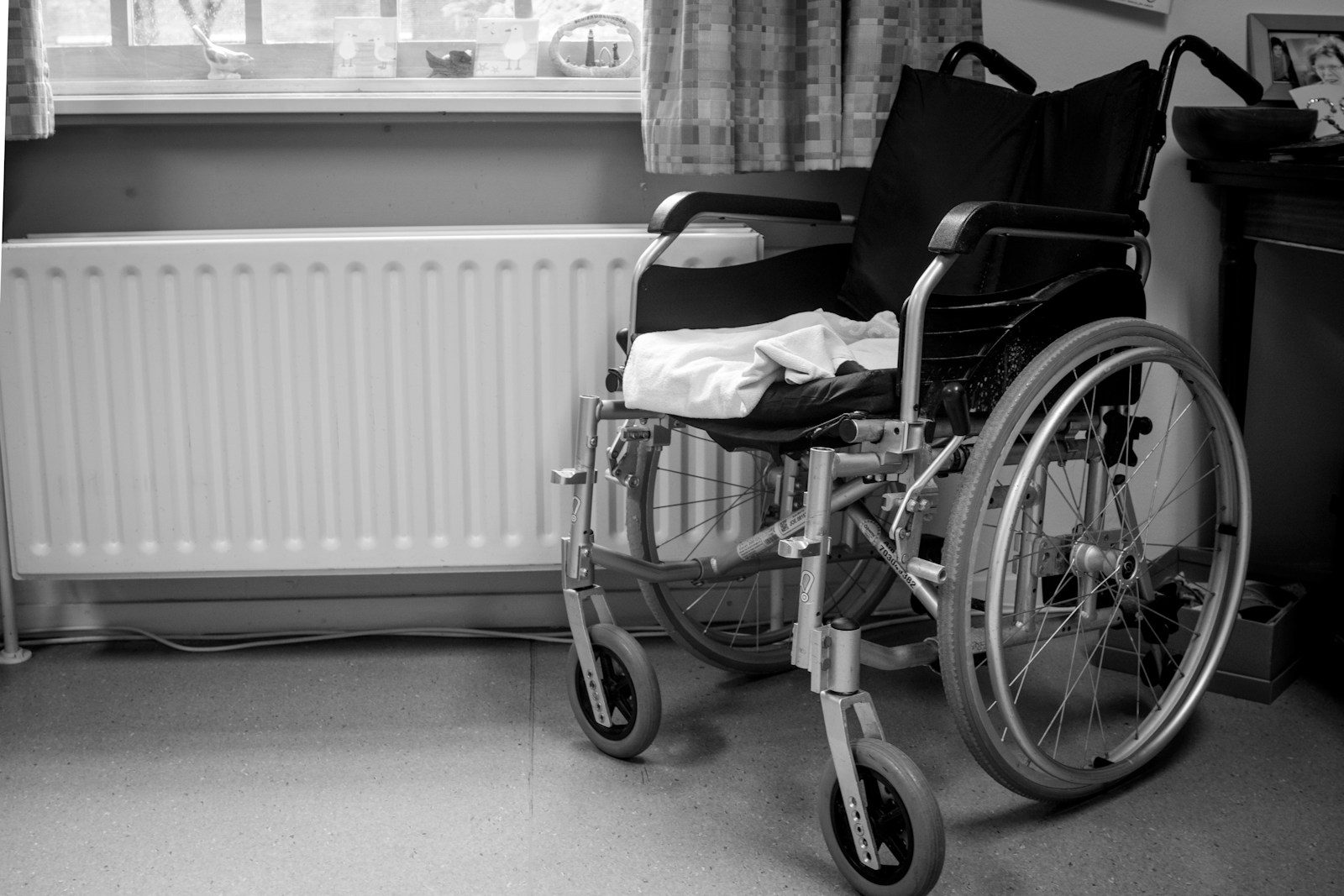
In Salford, the deaths have left neighbours and local residents struggling to reconcile their memories of a quiet family with the horror of what unfolded inside the home. Some have spoken of seeing Martina pushing Eleni’s wheelchair in the area, a visual reminder of the daily effort involved in even the simplest outing. Others have expressed regret that they did not know more about what she was going through, or feel that they might have offered more support if they had realised how isolated she felt.
The case has also resonated beyond the immediate community, sparking national reflection on how easily loneliness can be hidden behind a façade of coping. Commentators have pointed out that Martina’s story is not an isolated one, but part of a broader pattern in which carers, particularly single parents of disabled children, are left to manage extraordinary responsibilities with limited informal support. Detailed reporting has captured the poignancy of images of Eleni Edwards shared on Facebook, and of the Related Items that now sit alongside coverage of their deaths, as people search for meaning in a tragedy that began with a mother who felt utterly alone.
More from Decluttering Mom: