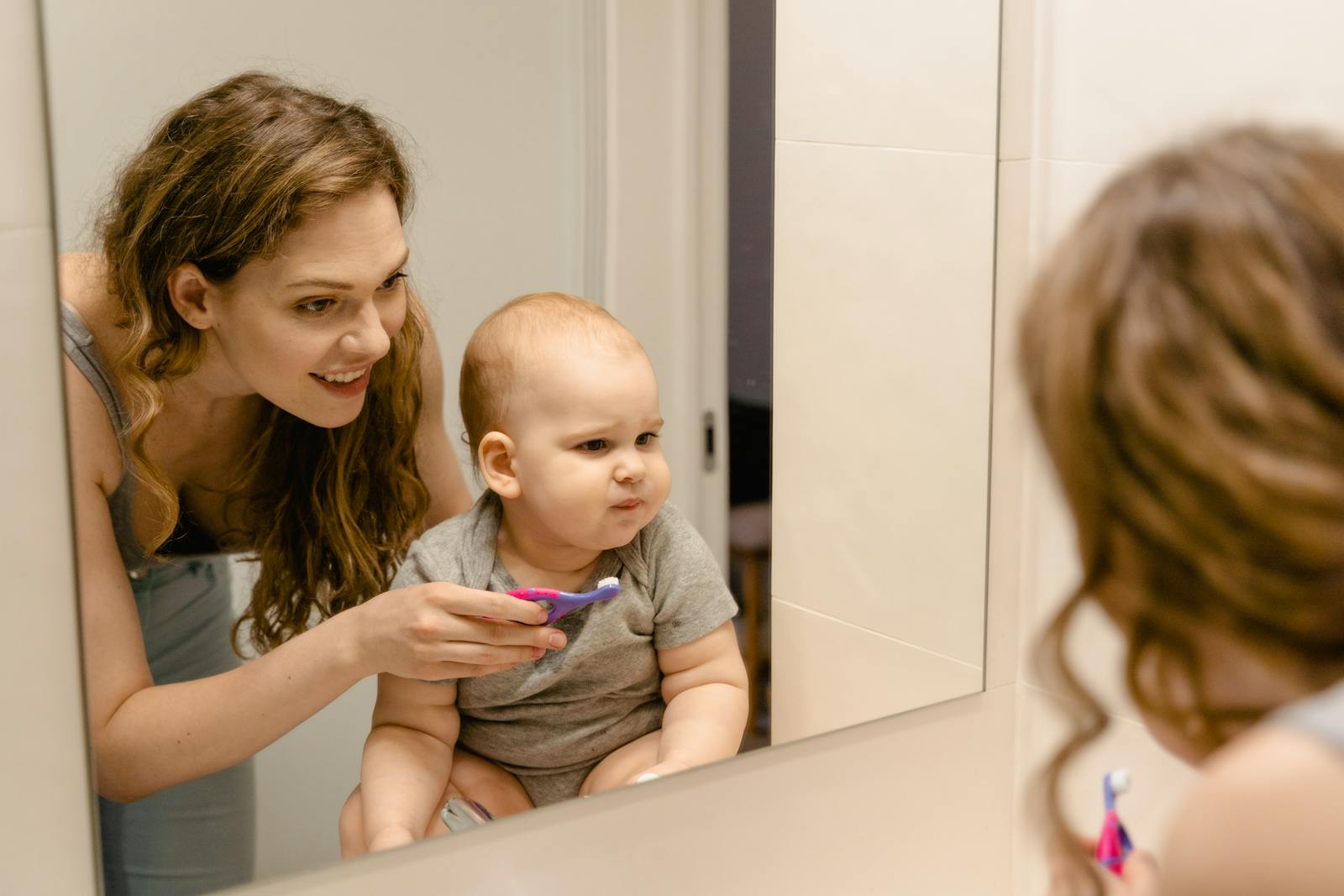
Bedtime at the Johnson household has turned into a nightly battleground, and the weapon of choice is a tiny toothbrush. Like many parents of toddlers, Sarah Johnson finds herself dreading the moment when she pulls out her 15-month-old daughter’s toothbrush. The simple act of dental hygiene has become a test of wills that leaves both mother and child exhausted.
The struggle to brush a toddler’s teeth without triggering a meltdown is one of the most common challenges parents face during the early years, but there are practical strategies that can transform this daily battle into a calmer routine. Sarah recently reached out to a parenting forum, desperate for solutions that don’t involve pinning down her daughter or listening to screams echo through the house.
Her question resonated with hundreds of other parents who shared their own stories of brushing battles with their toddlers. From toothbrushes flying across the room to clamped mouths and tears, the responses painted a picture of a near-universal parenting struggle. What follows are the techniques that worked for families who’ve been in Sarah’s shoes, along with insights into why establishing consistent oral hygiene routines matters for long-term dental health.
How to Brush a 15-Month-Old’s Teeth Without Meltdowns
Parents facing nightly battles over toothbrushing at 15 months often find success by switching to age-appropriate tools and creating a playful routine that doesn’t feel like a fight.
Choosing the Right Toothbrush and Toothpaste
Many parents discover that their 15-month-old responds better to certain types of brushes than others. A soft-bristled toothbrush designed for infants with rounded nylon bristles works well for this age group. Some toddlers prefer a baby toothbrush shaped like a familiar object, while others do better with a silicone finger brush that feels less invasive.
The toothpaste choice matters too. For children under age 3, parents typically use a smear of fluoride toothpaste about the size of a grain of rice. Some 15-month-olds resist certain flavors, so switching between mild options sometimes helps.
Parents who’ve had success often mention letting their toddler hold their own baby toothbrush during the process. This gives the child a sense of control even when the parent does the actual cleaning.
Making Toothbrushing a Positive Experience
Families dealing with meltdowns report that timing plays a major role in how their 15-month-old reacts. Brushing when the toddler is overtired or hungry typically leads to resistance. Many parents shift the routine to right after bath time when their child feels calmer.
Songs and books about brushing help some toddlers warm up to the idea. Parents sing simple tunes during the process or read toothbrushing picture books earlier in the day to build familiarity.
Celebrating after brushing—with claps, cheers, or high fives—creates positive associations. Some families let siblings demonstrate first, since 15-month-olds often copy older children they admire. Others treat the toothbrush like a toy initially, letting their toddler explore it without pressure before attempting actual brushing.
Step-by-Step Toothbrushing Routine for Toddlers
Parents who’ve worked through the resistance phase often use a “turns” approach. The 15-month-old gets to hold the brush and try first, then the parent takes a turn to properly clean the teeth. This feels fairer to the toddler than having someone immediately take over their mouth.
The lap method helps with squirmy toddlers. The parent sits with legs extended while the child lies back with their head in the parent’s lap. This position provides better visibility and control.
For brushing baby teeth effectively, parents focus on all tooth surfaces—front, back, and chewing areas—using small circular motions. Lifting the top lip to reach the gum line prevents buildup where teeth meet gums.
Most families start with 30 to 60 seconds of actual brushing and gradually work up to longer sessions. Consistency matters more than duration at this age. Parents brush at least once daily, ideally at night after the final feeding.
Establishing Healthy Oral Care Habits for Your Toddler
Parents navigating infant oral care often discover that consistency matters more than perfection, and the challenges that arise during teething don’t last forever. Most pediatric dentists recommend scheduling that first dental visit before a child’s second birthday.
Building a Consistent Toothbrushing Routine
Many parents find that toddlers should brush their teeth twice a day, typically in the morning and before bedtime. This pattern starts as soon as the first teeth emerge, usually around six months of age.
The routine becomes easier when it happens at the same times each day. Some families brush right after breakfast and just before the bedtime story. Others incorporate it into bath time.
For toddlers under three years old, a smear of fluoride toothpaste about the size of a grain of rice works well. After age three, parents can increase this to a pea-sized amount if the child can spit out the toothpaste. Swallowing small amounts generally doesn’t cause problems, though swallowing large quantities over time can lead to fluorosis, which changes how tooth enamel looks.
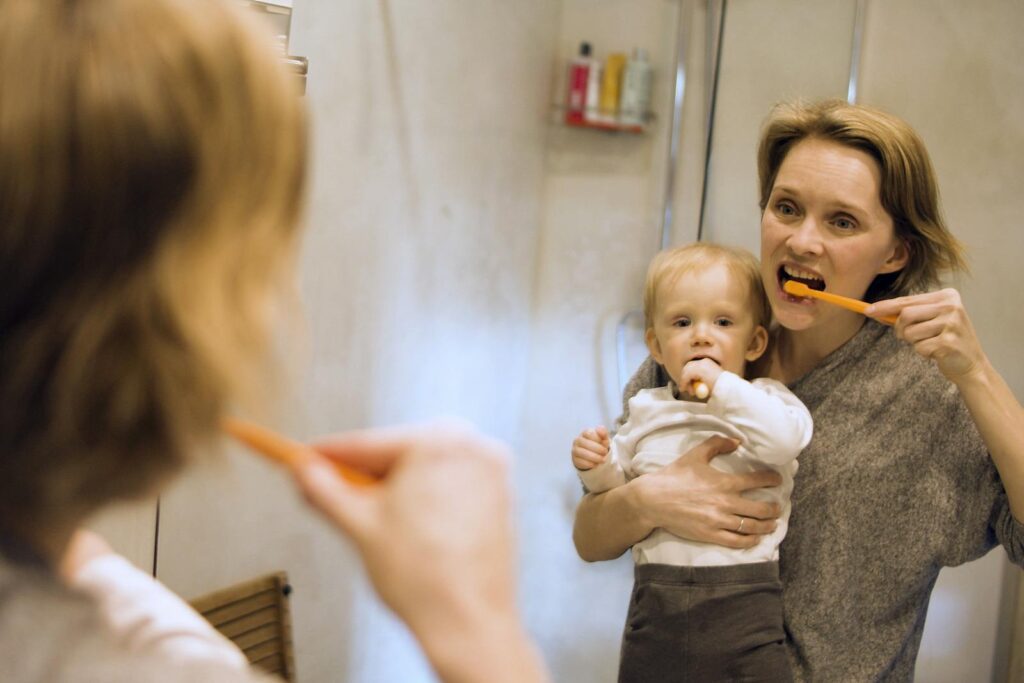
Parents who brush alongside their toddlers often see better cooperation. The child watches and mimics the motions. A two-minute timer or a short song helps ensure adequate brushing time without arguments about whether they’ve brushed long enough.
Managing Teething and Toothbrushing Challenges
Teething makes some toddlers more resistant to having anything touch their gums or baby teeth. Their mouths feel sore and sensitive. Parents sometimes notice their 15-month-old who previously tolerated brushing suddenly fights it during a teething phase.
Cold washcloths or teething toys before brushing can soothe inflamed gums. Some parents let their toddler hold a second toothbrush to chew on while they do the actual cleaning with another brush.
The discomfort from new teeth breaking through doesn’t mean skipping oral care. Even the tiniest first teeth can develop cavities. Gentle pressure and softer bristles help during particularly difficult teething periods.
When to Visit the Pediatric Dentist
Most pediatric dentists want to see children by their first birthday or within six months after the first teeth appear. This early first dental visit lets the dentist check how teeth are developing and catch potential problems before they worsen.
These initial appointments rarely involve any actual dental work. The dentist examines the baby teeth, looks for signs of decay, and answers parent questions about fluoride, thumb-sucking, or sippy cup use.
Regular check-ups help toddlers get comfortable with the dentist’s office before any treatment becomes necessary. The pediatric dentist can also demonstrate proper brushing techniques for parents struggling with resistant toddlers.
More from Decluttering Mom: