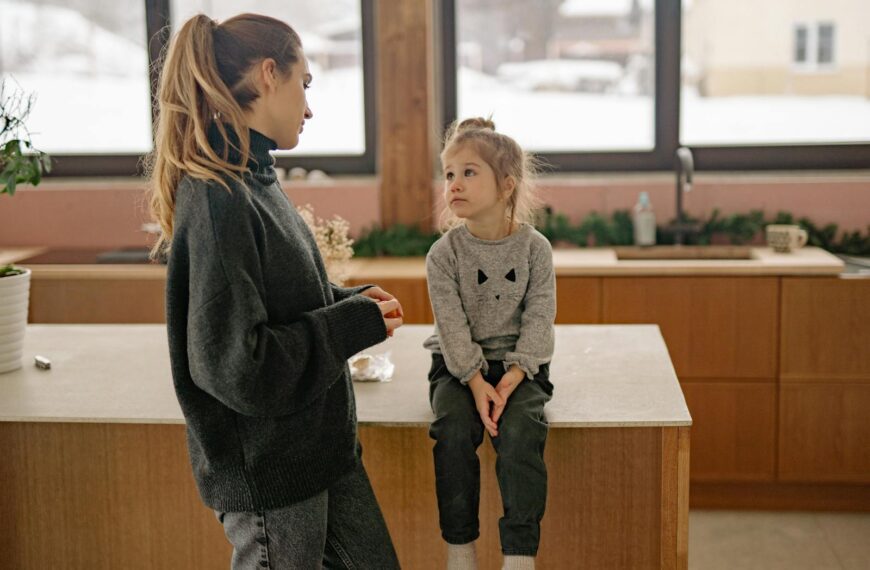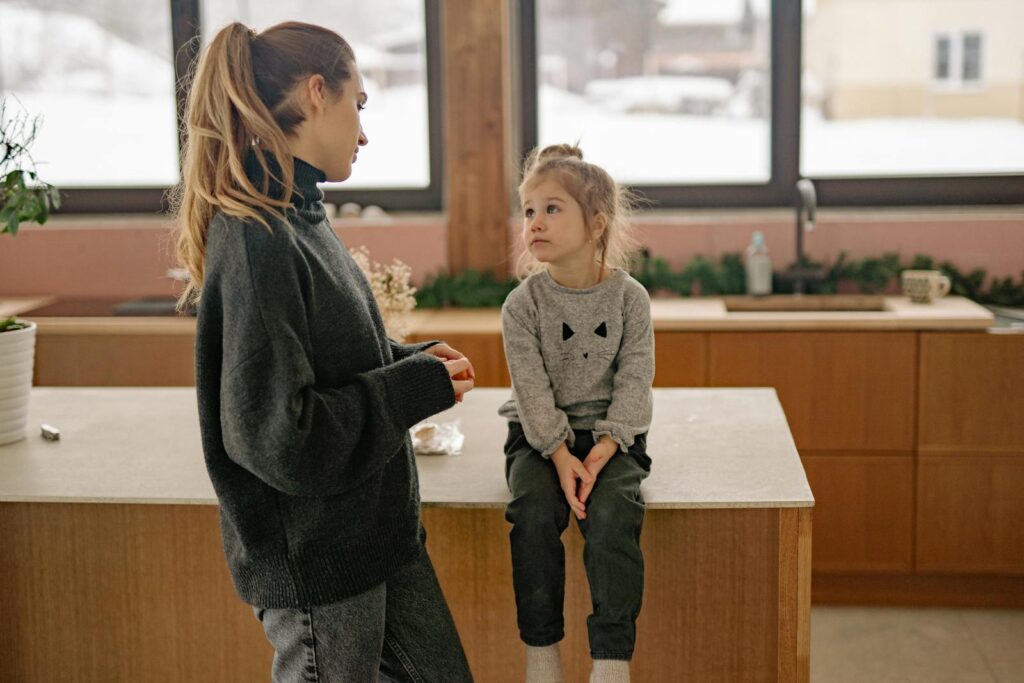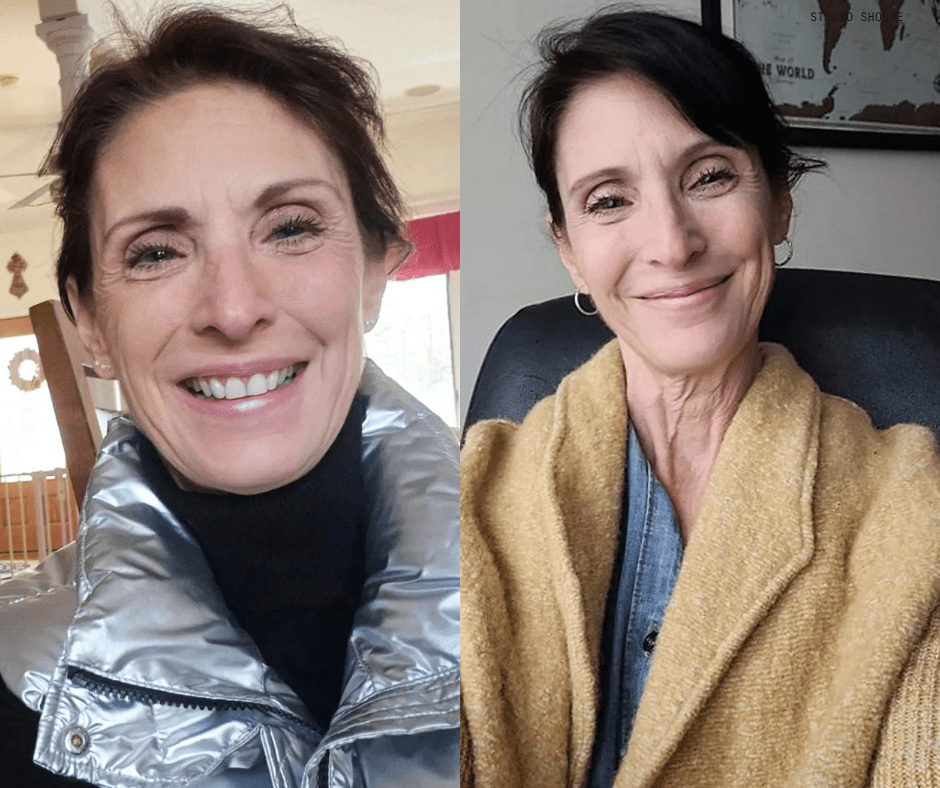
When her adult daughter suddenly cut off contact, one mother went from daily texts to total silence in a single, brutal pivot. Instead of staying stuck in shock, she slowly turned that private heartbreak into a lifeline for other parents who have been pushed out of their children’s lives. Her story sits inside a much bigger shift, as estranged parents quietly build their own support networks, language, and tools for surviving a kind of loss that rarely gets talked about out loud.
Estrangement between parents and adult children is no longer a rare family scandal whispered about at holidays. It is a growing reality that cuts across class, politics, and geography, and it leaves parents scrambling for answers in a culture that tends to assume they must be the villain. The rise of online communities, specialized therapists, and grassroots groups shows how many mothers and fathers are trying to move from shame and isolation toward connection and some kind of peace.
‘Blindsided’ by a Daughter’s Silence
The woman at the center of this story, Laura Wellington, did not see the rupture coming. She has described being “literally so blindsided” when one of her adult daughters stopped speaking to her, even though she believed they had always been close and open to talk about anything. Wellington has said she still has a strong relationship with her other children, which only sharpened the shock of being cut off by one child while the rest of the family ties stayed intact, a pattern that many estranged parents quietly recognize in their own lives.
In interviews, Wellington has talked about how the estrangement collided with her sense of herself as a devoted, if imperfect, mother. She has said she once saw herself as a kind of “doormat,” someone who would bend over backward to keep the peace, and she assumed that dynamic would change as her daughter moved through her 20s and would change in her 30s. Instead, the distance hardened. That gap between a parent’s internal story and an adult child’s decision to walk away is at the heart of the community she later built, which she has framed as a space for parents who were, in her words, “blindsided” when a daughter or son cut them off, so she created a community for other estranged parents who felt the same shock and confusion.
Her experience has been highlighted in coverage that describes how a woman was “Blindsided” “When Daughter Cut Her Off” “So She Created” a “Community for Other Estranged Parents,” and those exact phrases, including “Jan” and “Woman Was,” have been used to capture the emotional whiplash of that moment in Wellington’s life, even as she insists she remains open to talk about anything with the child who left.
From ‘Doormat Mom’ to Community Builder
Out of that shock, Wellington did something that many estranged parents only imagine: she turned her private pain into a public project. She created an online space called Doormat Mom No More, a name that nods to the way she once saw herself and the boundary-setting she is trying to model now. In profiles of her work, she is described as a “Doormat Mom” who “Created Community for Parents Estranged from Their Children,” language that captures both the self-deprecating humor and the quiet defiance behind the project. The group is designed for parents who have been cut off, not to attack their children, but to stop feeling like they are the only ones living this story.
Wellington has said that the community grew out of simple, raw conversations with other parents who had also been dropped by adult kids without what they felt was a clear explanation. She has emphasized that she is not a therapist and does not claim to have a magic formula for reconciliation. Instead, she offers a place where mothers and fathers can say the unsayable, compare notes, and share what it is like to be the one left behind. In one detailed feature, the description “Doormat Mom” “Created Community for Parents Estranged from Their Children” is paired with her first name, “Meredith,” and the reference to “Jan,” underscoring how her story has resonated enough to be told and retold as a kind of shorthand for a larger movement of parents refusing to disappear into silence.
Why Estranged Parents Feel So Alone
Part of what makes estrangement so destabilizing for parents is how quickly it isolates them. Many say they are afraid to tell friends or extended family that an adult child has cut them off, worried that people will assume they were abusive or controlling. That stigma can be intense enough that some parents lie about why a son or daughter is missing from holidays, inventing work trips or scheduling conflicts rather than admit they have been rejected. The shame is compounded by a culture that often centers the adult child’s story and leaves parents with the sense that they are not allowed to grieve out loud.
That silence is exactly what a number of parent-focused resources are trying to break. One long-running blog for estranged mothers and fathers, hosted at Rejected Parents, is filled with essays, letters, and reflections from people who have been cut off and are trying to make sense of it. The posts there do not promise easy answers, but they do something just as important: they normalize the experience of being an estranged parent, showing readers that they are not uniquely broken or cursed. For many, simply seeing their own confusion and anger reflected back at them is the first step out of the emotional bunker.
Expert Help, And Its Limits
Alongside peer support, a small ecosystem of professionals has emerged to work specifically with estranged parents. One of the most visible is Dr Joshua Coleman, a psychologist who has written extensively about family estrangement and runs an active community of parents who are estranged from their children. On his site at Dr Joshua Coleman, he offers webinars, writings, and guidance that focus on how mothers and fathers can respond when an adult child pulls away, including how to apologize effectively and when to give space. His work is also highlighted in a guide for parents that notes he has an active community and provides information on how to join it.
At the same time, not everyone in the estrangement world sees Coleman as a neutral figure. In one widely shared discussion thread, users warn journalists that “Joshua Coleman is a problematic figure who should never be the sole expert or the main source for a piece about family estrangement,” arguing that his approach can lean too heavily toward blaming adult children or minimizing issues like abuse. That critique, posted on Reddit, reflects a broader tension in this space: parents are desperate for guidance, but the power dynamics and histories inside estranged families are often complicated, and no single expert can speak for every situation.
Even Coleman’s own story underlines that complexity. In a public radio interview, he has spoken about being estranged from his young adult daughter after his divorce, remarriage, and the start of a new family, describing how painful it was to be on the receiving end of silence. That experience, detailed in a segment that introduces him as Psychologist Joshua Coleman, has shaped his belief that parents can sometimes repair relationships if they are willing to listen deeply and own their part, even when they feel unfairly judged.
Books And Voices Centering Estranged Parents
Beyond therapists, a handful of authors have become touchstones for parents trying to navigate estrangement. One of the most prominent is Sheri McGregor, whose book “Done With The Crying: Help and Healing for Mothers of Estranged Adult Children” is explicitly aimed at helping parents break free from emotional pain and move forward in their own lives. The book’s description notes that “What” it is about is guiding mothers of estranged adult children to stop living in constant grief, and it credits Sheri McGregor as a powerful voice for the parents of estranged adult children, with the book receiving a Living Now Book Award. That framing, highlighted on Done With The, signals a shift from trying to “fix” the child to helping the parent reclaim some stability.
McGregor’s own background is part of why many parents trust her. On her site, she introduces herself with the phrase “About Sheri,” explaining that she is an author and life coach whose most recent book is “BEYOND Done With The Crying: More Answers and” related guidance for estranged parents. Another biographical note emphasizes that Sheri has a Master’s Degree in Human Behavior and is a certified life coach, and that her work for parents of estranged adults began after her own experience of being cut off. Those details, laid out on both her personal page at Sheri and the book listing at Barnes & Noble, matter to readers who want both empathy and expertise. Her message often lands as a kind of tough love: accept that you may never get the explanation you crave, and build a life that is not defined solely by the child who left.
Grassroots Groups Stepping Into The Gap
While individual authors and therapists offer frameworks, much of the day-to-day support for estranged parents is happening in small, often volunteer-driven organizations. One example is PEAK, short for Parents of Estranged Adult Kids, which describes itself as a 501(c)(3) not-for-profit organization dedicated to helping parents who are estranged from their adult children recover from the emotional, relational, and financial fallout of being cut off. On its main site, PEAK spells out that “PEAK is a 501” organization, language that signals both its legal status and its intention to be more than just a Facebook group.
A regional listing for the PEAK support network in Greenville describes the mission in even more detail. It says the mission of PEAK is to support estranged parents of adult kids through resources that foster their recovery from the multiple impacts of estrangement, including emotional, relational, and financial dimensions. That description, available through a community directory at Greenville, shows how local chapters are trying to translate big-picture ideas about healing into concrete meetings, workshops, and resource lists. For parents who feel too raw to jump into a large online forum, a small in-person circle like this can be a gentler entry point.
How Online Communities Change The Script
Wellington’s Doormat Mom No More project sits alongside a wave of online communities that are rewriting how estranged parents talk about themselves. In one social media post promoting her story, a caption notes that “This woman created an online community for estranged parents after her daughter cut off contact,” paired with a photo credit to Laura Wel and a tag for Krista Houston. That post, shared on Facebook, captures how quickly a single parent’s story can ripple outward and draw in others who see themselves in it.
These digital spaces are not just venting zones. Many, including Wellington’s, set ground rules against child-bashing and encourage members to focus on their own behavior, boundaries, and healing. They also serve as informal information hubs, where parents trade links to resources like the Rejected Parents blog, Sheri McGregor’s books, or guides that mention Dr Joshua Coleman’s work. A support guide for parents, for example, notes that Dr Joshua Coleman has an active community of parents that are estranged from their children and offers a link for those who would like to join. In practice, that means a mother who stumbles into one group late at night can quickly find a whole ecosystem of support she did not know existed.
More from Decluttering Mom: