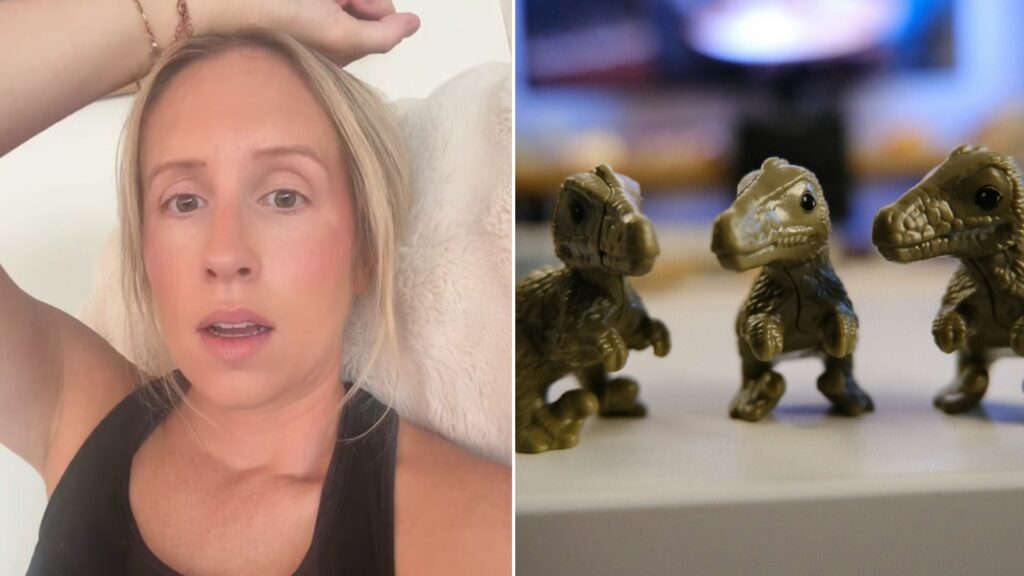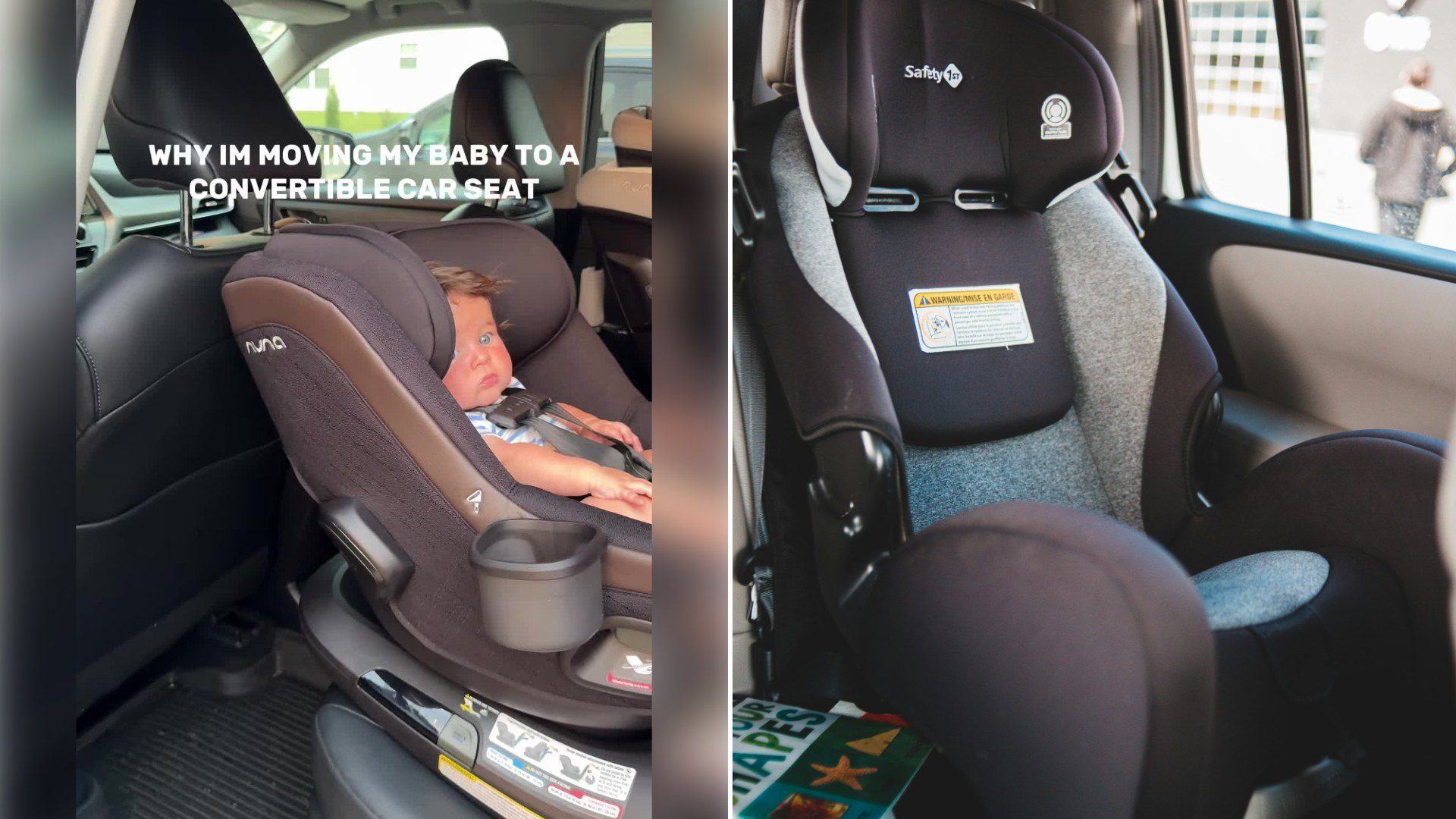
A mother on TikTok is walking her followers through a decision no parent wants to face: what to do after discovering possible contamination in her infant’s car seat. Rather than risk reusing it, she explains, she chose to replace it entirely with a new, more expensive convertible car seat, a purchase she frames as both a relief and an unwanted expense.
@samanthabagley 🙈😅🫠 if I think about it too hard I get sick but at least I get a new car seat out of it! #infantcarseat #rotatingcarseat #newcarseat #newbaby #babyproducts
♬ original sound – Samantha Bagley
“If I think about it too hard I get sick, but at least I get a new car seat out of it!” she wrote in her caption, pairing the line with a grimacing, laughing, and sponge emoji that together capture the mix of disgust and dark humor many parents reach for when dealing with an unpleasant surprise involving their baby’s gear. The hashtags she used, including #infantcarseat, #rotatingcarseat, and #new, suggest she also used the moment to walk her audience through her replacement pick, turning an unsettling discovery into practical content for other parents shopping for car seats.
Car seats occupy a strange space in the world of baby gear. They’re one of the most safety-critical purchases a parent makes, yet they also spend hours a day in an environment, a vehicle, prone to spills, crumbs, diaper blowouts, and general mess, especially with an infant who can’t yet communicate that something is wrong before it becomes visibly, unmistakably a problem. Once a seat’s padding or structural components are compromised by contamination of any kind, most manufacturers and safety experts recommend against continuing to use it, since the padding and internal materials aren’t always easy to fully sanitize, and in some cases, contamination can raise structural or hygiene concerns that go beyond a simple wipe-down.
According to her account, the mother’s response was to skip the smaller, cheaper infant-seat replacement in favor of a convertible seat, a category of car seat designed to grow with a child, typically usable from infancy through the toddler years and sometimes beyond, by adjusting the harness and seat orientation as the child grows. Convertible seats tend to carry a higher upfront price tag than basic infant seats, precisely because they’re built to last years rather than months, but that also means the investment, while painful in the moment, effectively replaces multiple future purchases at once.
Her decision reflects a calculation plenty of parents quietly make when gear goes wrong unexpectedly: rather than patch a problem with a like-for-like replacement, use the disruption as an opportunity to upgrade to something more durable, more versatile, or better suited to the family’s actual needs going forward. It’s not a decision anyone wants to be forced into, especially over something as unpleasant as contamination, but her framing, equal parts squeamish and pragmatic, suggests she made peace with the expense by focusing on the silver lining of ending up with better gear.
The video’s reach, over a million views, points to how many parents have faced some version of this exact dilemma. Car seat mishaps, whether from illness, spills, or general wear, are a nearly universal part of raising an infant, and content that walks through both the gross reality and the practical resolution tends to resonate precisely because it validates an experience parents don’t always see discussed openly. There’s often a hint of embarrassment attached to these situations, and creators willing to document them candidly, emojis and all, tend to find an appreciative audience of parents who’ve been there too.
Beyond the immediate relatability, the video also functions as a small piece of consumer guidance, showing followers not just that this kind of problem can happen, but one reasonable way to handle it when it does.
What to Do When a Car Seat Is Compromised
Safety experts generally advise that once a car seat’s padding, harness, or structural components have been contaminated in a way that can’t be fully and safely cleaned, or if the seat has been in even a minor accident, replacement is the safer path over attempting to fully sanitize and reuse it. When shopping for a replacement, checking the seat’s expiration date, weight and height limits, and compatibility with your vehicle can help avoid another unwanted surprise down the line. Convertible seats can be a worthwhile investment for families wanting to minimize the number of car seat transitions over the years, though infant seats still offer conveniences, like a detachable base and carrier, that some parents find worth the extra purchase down the road. Whatever the cause, replacing compromised safety gear promptly, even when it’s an unplanned expense, is generally worth the peace of mind.