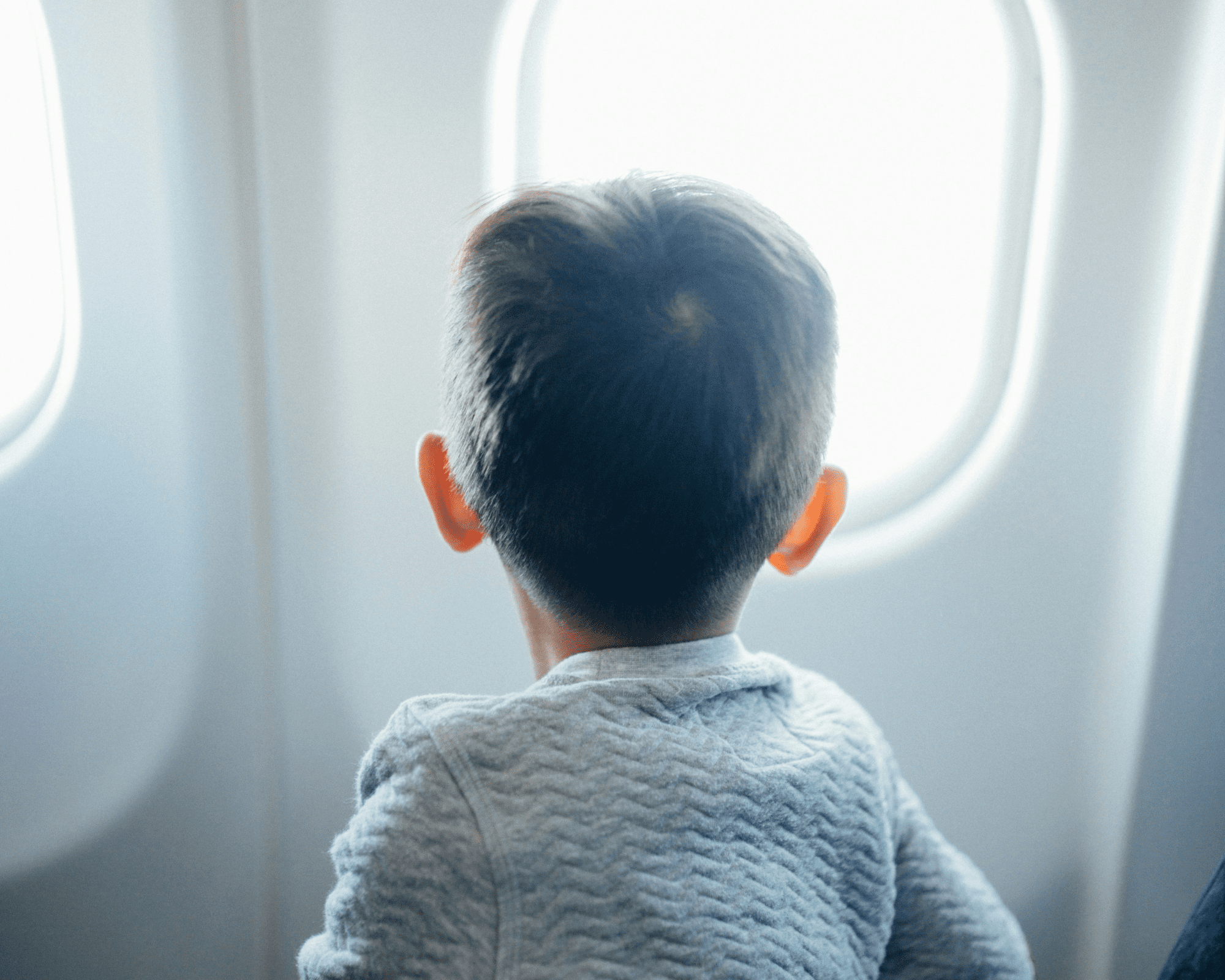
You open the article already knowing this could happen on any trip: a mom finds her toddlers moved away mid-flight and panic sets in. She expected the airline to keep her family together, but a last-minute seating change forced her into a heart-stopping scramble at 30,000 feet.
The core takeaway: airlines sometimes reassign seats after booking, and that can leave parents separated from young children unless they assert their rights and check seating ahead of departure. The next sections unpack what occurred on the Delta flight, how airlines handle family seating, and practical steps a traveler can take to prevent or fix this kind of situation.
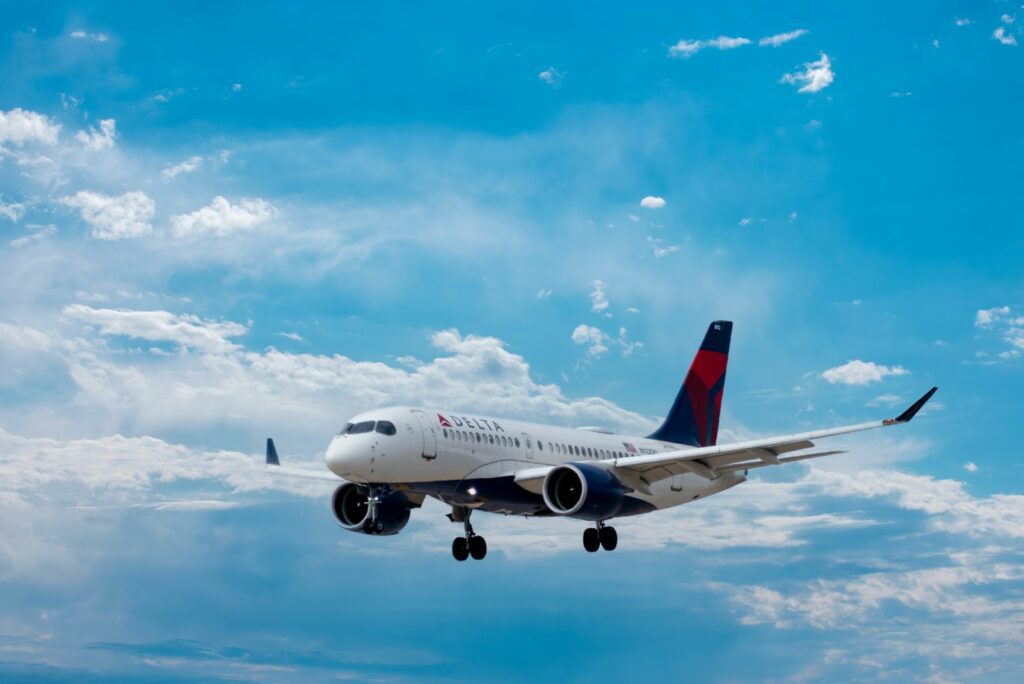
The Delta Flight Incident: What Actually Happened?
A mother says she was left holding two toddlers while airline staff refused to seat her next to both children, and video of the exchange went viral. The account centers on a seat-assignment mix-up that turned tense during a domestic Delta flight and prompted online debate about airline rules for children.
Mely Skoglund’s Experience and Viral Reactions
Mely Skoglund posted video and descriptions of an incident in which she and her two toddlers were separated because one child lacked an assigned seat for a leg of the journey. She says she had purchased seats and believed the family would sit together; instead, a change in the reservation left one toddler without an assigned seat and forced her into a distressing on-board discussion with crew members.
Passengers filmed portions of the dispute; the footage spread quickly on social platforms and drew millions of views, sparking sympathy and criticism alike. Comments ranged from support for Skoglund’s account to questions about whether she had followed the airline’s infant seating rules.
How Seat Assignment Led to Mid-Flight Panic
According to the accounts circulating online, the core problem began when a linked reservation was altered during a customer service call, separating one ticket from the family’s group. That separation appears to have caused the system to drop the toddler’s seat assignment for a subsequent flight segment.
On the plane, Delta crew reportedly told Skoglund the child could be denied boarding if no seat was available, which she says triggered panic because she had no lawful place to secure both toddlers safely. Fellow passengers and the crew debated options mid-flight, and the incident escalated into a scene captured on video.
Delta Airlines’ Policy for Children and Lap Infants
Delta’s rules distinguish children who occupy paid seats from lap infants under two. Parents who purchase a seat must have an actual assigned seat for that child; airlines are required to honor paid, confirmed seats and follow DOT rules on denied boarding.
If a child under two travels as a lap infant, no separate seat is assigned; if the parent buys a seat for that child, the carrier must provide that seat assignment. Errors in booking, linked-reservation logic, or agent changes can create situations where a paid seat is not reflected in the manifest, producing disputes like the one Skoglund describes.
For readers seeking more context on how similar disputes have unfolded, reporting on other Delta incidents and viral videos highlights that seat-assignment confusion with young children is a recurring source of tension on domestic flights.
Why Family Seating on Flights Is So Complicated
Airlines balance limited rows, ticket rules, and operational changes while families expect adults next to young children. That tension shows up in policies, costs, and public reactions that can leave parents scrambling at check-in or the gate.
The Debate Over Planning, Costs, and Policies
Airlines like Delta assign seats based on fare class, paid upgrades, and aircraft configuration, which can split families unless they buy seats together. Basic or unrestricted fares may not hold adjacent seats, so parents who want certainty often pay extra for reserved seating or Comfort+ rows.
Operational factors matter too. Aircraft swaps and late roster changes can force seat reassignments, and gate agents sometimes use blocked seats to reunite families when possible. U.S. regulators encourage airlines to make reasonable efforts to seat children with an accompanying adult, but that guidance doesn’t create a guaranteed entitlement.
Parents face a trade-off: book early and pay fees, or risk juggling seats later at the gate. Clearer fare rules, transparent fees, and better automatic checks for young children would reduce surprises for travelers and gate staff alike.
How Social Media Shapes the Conversation
Viral clips on TikTok and threads on Reddit amplify single incidents, turning seat-assignment problems into national conversations quickly. A filmed interaction with a gate agent or screenshots of changed seat assignments can reach hundreds of thousands of viewers and pressure airlines to respond publicly.
These posts create useful consumer awareness but also distort how often problems occur. Social platforms highlight worst-case scenarios—like a toddler left without an adjacent adult—but don’t always show successful gate solutions or behind-the-scenes operational constraints. Still, airlines monitor social channels closely; public complaints often speed up rebooking or offer goodwill gestures.
Passengers should document changes and tag the airline when posting, as that can trigger faster customer-service escalation than waiting on hold.
Advice for Parents Traveling with Young Children
Buy seats together when possible — reserve adjacent seats for each toddler and an extra adult seat beside them. If booking Basic Economy, consider upgrading one fare to a paid seat assignment to keep the group contiguous.
Check in early and confirm assignments in the airline app; recheck 24 hours and again at the gate. If seats change, speak calmly to the gate agent and show proof of original assignments. Ask about blocked family seats or volunteer-needed announcements that might free adjacent seats.
Bring a clear contingency plan: assign which adult will sit with which child if separation occurs, carry a copy of booking confirmations, and consider boarding early by requesting family boarding. If an airline refuses a reasonable attempt to seat a child next to an adult, file a complaint with the carrier and consider contacting the DOT for unresolved safety concerns.
More from Decluttering Mom: