



You’ve probably felt the pinch when a premium sunscreen doesn’t live up to its label, especially when a toddler’s skin is at stake. She bought an expensive brand expecting reliable protection and found it lacking, and now she’s hunting for a formula that actually shields her child from sunburn and long-term harm. Choose a sunscreen with proven SPF/UVA performance, broad-spectrum coverage, and kid-safe ingredients, and you’ll be far more likely to get the protection you pay for.
This post will dig into why pricey sunscreens sometimes fail toddlers — from testing inconsistencies to formulation issues — and guide you toward practical choices, not empty marketing. Expect clear tips on how to pick and test sunscreens, plus suggestions for kid-friendly products and habits that boost real-world protection.

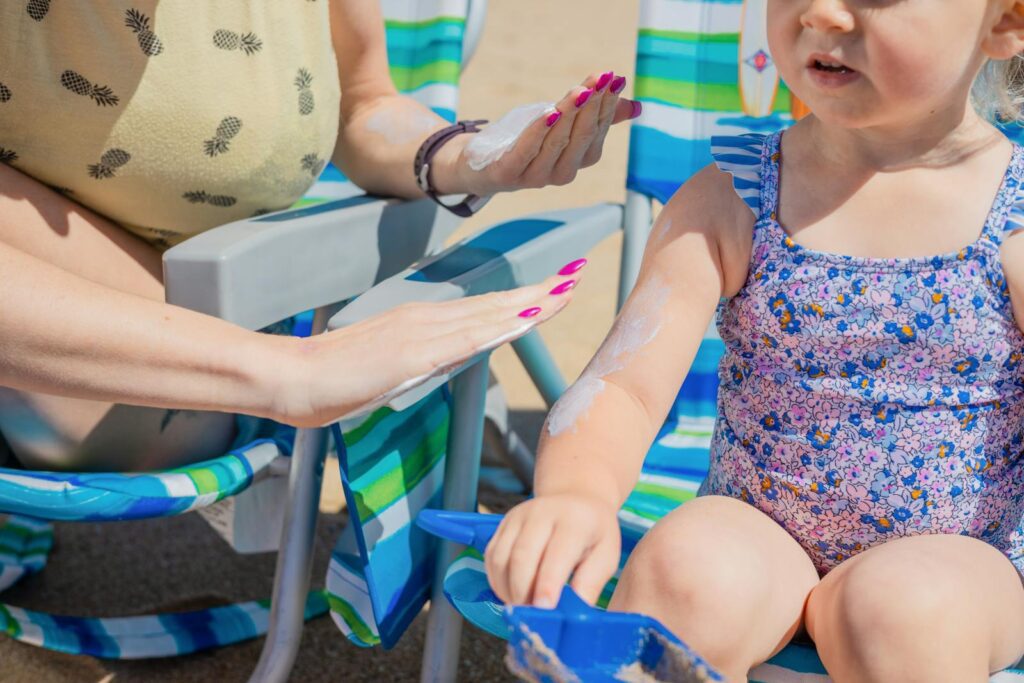
Why Some Expensive Sunscreens Fail to Protect Toddlers
Expensive labels don’t guarantee reliable protection. Pricey formulations can still miss key performance steps, meet toddler-specific use challenges, or show clear signs they aren’t doing the job.
Common Reasons for Sunscreen Ineffectiveness
High cost doesn’t ensure proper SPF coverage. Some premium sunscreens advertise SPF 50 or SPF 60 but contain unstableUV filters or low active concentrations that reduce real-world protection. Ingredients like avobenzone provide broad UVA coverage but degrade in sunlight unless paired with stabilizers such as octocrylene. If a formula omits stabilizers or uses low amounts of homosalate and octisalate, the labeled SPF can fall short after a short time in the sun.
Application mistakes also matter. Adults often apply far less than the 2 mg/cm² used in lab tests, turning SPF 30 into much lower protection. Spray and hybrid formulas can be uneven on squirming toddlers. Some luxury sunscreens prioritize texture or scent over measurable UV-filter content, so shoppers should check active ingredient lists rather than price tags.
Toddler-Specific Protection Challenges
Toddlers move, sweat, and rub constantly, which strains sunscreen performance. Water-resistant claims help but vary by standard; products tested for 40 or 80 minutes of water resistance require reapplication after swimming or heavy sweating. A toddler’s face, neck, and ears need frequent attention because parents often miss thin spots.
Skin sensitivity also limits options. Mineral sunscreens (zinc oxide, titanium dioxide) avoid chemical filters but can leave white cast; that can lead caregivers to apply too sparingly. Chemical filters like avobenzone, octocrylene, homosalate, and octisalate offer lower visibility and better cosmetic feel, but parents must choose formulations with proven stability and child-safe labeling. Preferring a tested broad-spectrum SPF 30 or higher and following reapplication schedules improves real protection.
Signs That a Sunscreen Isn’t Working
Telltale signs appear quickly. If a toddler still reddens after 1–2 hours outdoors despite sunscreen labeled SPF 50, the product may be failing. Another indicator is rapid wash-off: sunscreen that beads and slides during water play probably lacks adequate water resistance or was applied too thinly.
Cosmetic issues can also reveal problems. Greasy residue that transfers to clothing or a formula that rubs off after one hug suggests low adherence. Finally, check ingredient lists: an advertised SPF 40 or 60 without recognizable active filters (avobenzone, homosalate, octisalate, octocrylene) or without “broad-spectrum” wording may not block UVA effectively. If parents observe any of these signs, they should switch to a different product tested for real-world conditions and reapply every two hours or after swimming.
Choosing a Sunscreen That Actually Works for Kids
Parents want clear, reliable protection: a broad-spectrum formula with SPF 30+ that stays put during play, won’t irritate sensitive skin, and has a straightforward ingredient list. They also want practical formats—lotions for babies, sprays for older kids, and tinted or moisturizing options for picky faces.
Mineral vs. Chemical Sunscreens: What’s Best for Children
Mineral (physical) sunscreens use zinc oxide or titanium dioxide to sit on the skin and reflect UV rays. Pediatricians often prefer mineral options for infants and sensitive skin because they’re less likely to irritate and avoid some chemical actives linked to environmental concerns.
Chemical sunscreens contain filters like avobenzone, octisalate, or homosalate that absorb UV. These usually feel lighter, are easier to rub into the face, and often score better in lab SPF tests. For toddlers, weigh skin sensitivity and the child’s tolerance for white cast; a tinted mineral face sunscreen can reduce the white finish while keeping zinc oxide protection.
Top-Rated Sunscreens for Toddlers in 2026
Choose products with independent testing or dermatologist recommendation. Look for established options such as broad-spectrum SPF 50 mineral lotions for body and face, and reef-conscious chemical formulas where needed. For face use, pick a moisturizing sunscreen labeled non-comedogenic and fragrance-free to avoid irritation around the eyes and mouth.
Spray sunscreens work for quick reapplication on older kids but avoid inhalation—spray onto hands first for toddlers. Gel and lightweight sunscreen formulas suit sweaty outdoor play, while richer moisturizing sunscreens help dry or winter-exposed skin. Check current reviews and lab ratings from reputable outlets to confirm performance before buying.
Key Ingredients to Look For in Protective Formulas
Prioritize broad-spectrum filters: zinc oxide and titanium dioxide for mineral protection; avobenzone and octisalate among permitted chemical filters for UVA/UVB balance. Avoid products containing oxybenzone or ingredients with “fluoro” in the name if minimizing environmental or PFAS concerns is important to the family.
Also screen inactive ingredients: skip parabens, formaldehyde releasers, and unnecessary fragrances. For face sunscreen, prefer formulas with moisturizing emollients like glycerin or ceramides and “non pore-clogging” labels. Tinted sunscreens often add iron oxides, which boost visible light protection—useful for fair or freckled skin.
Application Tips for Maximum Protection
Apply sunscreen to dry skin 15 minutes before sun exposure for chemical filters; mineral sunscreens can be applied immediately. Use about a nickel-sized dollop for a toddler’s face and two full fingers’ worth for each limb; an average toddler needs roughly one ounce (a shot glass) for full-body coverage.
Reapply every two hours, after swimming, or after heavy sweating. For spray sunscreens, spray into hands first or keep the nozzle 6–8 inches away and avoid spraying near the face; rub in immediately. Layer sunscreen under UPF-rated clothing and a hat for extended outdoor time, and prioritize shaded breaks during peak UV hours (10 a.m.–4 p.m.).
More from Decluttering Mom: