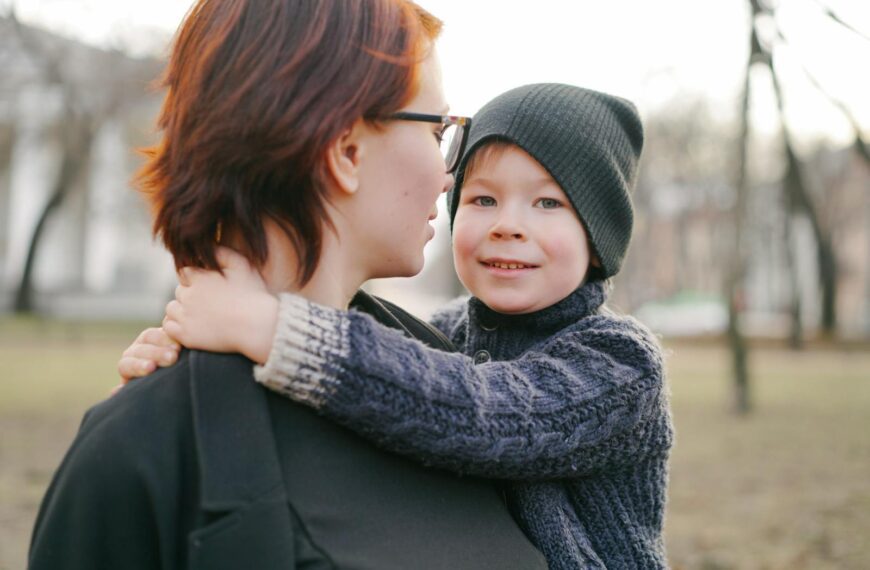
A mother has opened up about her struggle with her 11-year-old daughter, who seemingly transformed from a warm, affectionate child into someone cold and distant almost overnight. The shift has left her questioning their relationship and wondering if her daughter’s occasional kindness is genuine or just a means to get what she wants.
The mother describes feeling like she’s lost connection with her daughter, noticing that warmth and conversation only appear when her child needs permission, money, or favors. What used to be spontaneous hugs and shared stories has been replaced by brief responses and closed bedroom doors.
This abrupt change has sparked conversations about what drives such dramatic shifts in pre-teen behavior and whether this pattern is part of normal development or a sign of something deeper. The mother’s experience has resonated with other parents facing similar challenges with their middle-school-aged children.
Understanding Sudden Changes in an 11-Year-Old’s Behavior

Children at this age can shift from warm and engaged to emotionally distant in what feels like days or weeks. This transformation often leaves parents searching for explanations while grappling with feelings of rejection and confusion.
Signs of Emotional Distance
The mother noticed her daughter pulling away in ways that felt deliberate. Eye contact became rare during conversations. Hugs that once came naturally now happened only when the child initiated them, usually before asking for something.
Physical withdrawal often appears first. Kids who previously sought their parents’ company start spending more time alone in their rooms. They offer one-word answers to questions about their day. Their face remains neutral when sharing news that would have once excited them.
Behavioral changes in children frequently include a drop in communication quality. The daughter stopped volunteering information about school or friends. She scrolled through her phone during family meals. When her mother tried to talk, she seemed distracted or annoyed.
Some children become selectively warm. They laugh and chat when they need permission for activities or want to purchase something. Once they get what they’re after, the coldness returns.
Common Triggers for Cold and Distant Behavior
At 11 years old, children experience significant developmental shifts. Physical and emotional changes associated with early puberty can make kids feel awkward and self-conscious around their parents.
Social dynamics at school intensify dramatically. Peer relationships take on new importance. Kids this age often face increased academic pressure, friendship conflicts, or concerns about fitting in. They may withdraw at home while processing these external stressors.
The digital world also plays a role. Many 11-year-olds have increased access to social media and online interactions. They compare themselves to others constantly. Cyberbullying or social exclusion online can trigger emotional distance that parents initially misinterpret as general moodiness.
Family changes matter too. Siblings leaving home, parental work stress, or marital tension can prompt withdrawal even when kids don’t directly discuss these concerns.
When Kindness Is Conditional: What It Might Mean
The pattern of warmth appearing only when the child wants something struck the mother as manipulative. But this behavior often reflects something more complex than simple calculation.
Preteens test boundaries to understand their power within family relationships. They’re learning negotiation and influence. Being nice only when asking for favors might be their attempt at strategic thinking rather than genuine affection withdrawal.
Some children compartmentalize their emotions at this age. They genuinely feel positive toward their parents during moments of asking for help or favors. Those feelings don’t necessarily extend to other times when they’re managing confusing emotions or asserting independence.
This conditional kindness can also signal that the child feels unable to express needs directly. Understanding these behavioral shifts requires looking at the whole picture rather than isolated incidents. The daughter might be struggling with expressing vulnerability and only feels safe showing warmth when there’s a concrete transaction involved.
Practical Steps for Parents Dealing With a Distant Child
When an 11-year-old suddenly becomes cold and withdrawn, parents often find themselves navigating unfamiliar territory where old communication patterns no longer work and the warmth that once defined their relationship seems to have vanished.
How to Communicate Without Pressuring Your Child
Many parents fall into the trap of pushing harder when their child pulls away. The mom in this situation described feeling like her daughter only shows kindness when she wants something, which creates a transactional dynamic that makes genuine connection even harder.
Experts suggest asking children when they’d prefer to talk about important matters rather than demanding immediate conversations. This approach gives kids agency over the timing while still addressing necessary topics.
Communication strategies that work:
- Keep questions open-ended rather than yes/no
- Share brief observations without accusations (“I noticed you seem quieter lately”)
- Create low-pressure environments like car rides where eye contact isn’t required
- Avoid interrogating about every detail of their day
Parents dealing with emotionally distant children report that backing off slightly often encourages kids to open up more naturally. The key is staying available without hovering.
Rebuilding Trust and Connection
Trust rebuilding requires consistency rather than grand gestures. When a child acts “only nice when she wants something,” it signals a breakdown in the relationship’s foundation that won’t resolve overnight.
Small, repeated actions matter more than dramatic attempts at reconnection. Showing up for activities the child cares about, respecting their need for space, and following through on promises all contribute to rebuilding trust gradually.
Some parents find success by:
- Scheduling regular one-on-one time (even 15 minutes weekly)
- Engaging in activities the child chooses
- Apologizing when they make mistakes
- Setting clear, consistent boundaries without harshness
Recognizing When to Seek Help
While emotional distance during adolescence can be developmentally normal, sudden personality changes warrant closer attention. An 11-year-old who transforms “almost overnight” from warm to cold may be experiencing something beyond typical pre-teen adjustment.
Red flags include withdrawal from all activities, dramatic mood swings, changes in sleep or eating patterns, declining grades, or mentions of self-harm. Parents should contact their pediatrician if behavioral changes feel abnormal rather than just uncomfortable.
Professional support through family therapy can provide neutral ground for communication when parent-child conversations repeatedly end in conflict or silence.
More from Decluttering Mom: