You feel the pull between wanting to protect your child from school judgment and wanting to honor their wish to try an unconventional haircut. That tension matters because the choice won’t just change his look — it will shape how he practices self-expression and handles other people’s reactions.
Letting him choose the haircut can boost his confidence and teach resilience, while thoughtful limits and conversations can reduce unnecessary exposure to hurt. The rest of this piece will walk through balancing those concerns and practical ways to support him so the decision becomes a chance to build trust, not a battleground.
Balancing Self-Expression With Parental Concerns
Parents weigh letting a child try a bold haircut against protecting them from teasing, safety concerns, and school policies. Clear steps for planning, setting boundaries, and preparing the child for reactions help families move forward with confidence.
Fostering Individuality at a Young Age
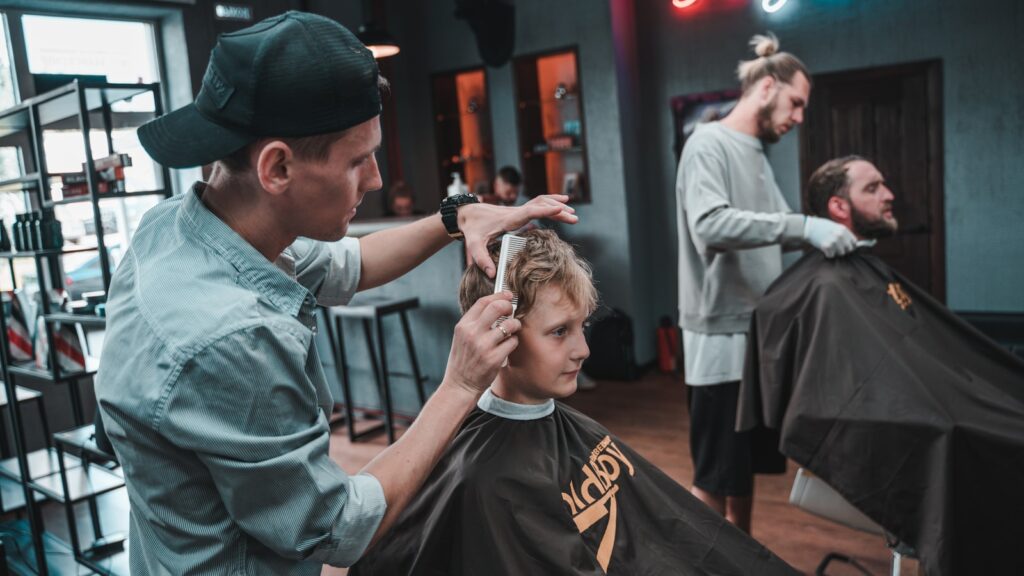
Letting an 8-year-old choose a haircut can build confidence and decision-making skills. Parents can offer limited choices — two or three styles — so the child feels ownership without the parent losing control.
Practice the look at home first. Use a wig, clip-in color, or temporary styling spray for a weekend trial. That safe experiment shows how the child feels and how others react.
Celebrate the intention behind the style. Praise creativity and explain practical care: how to wash, comb, and maintain the cut. That teaches responsibility tied to self-expression.
Understanding the Importance of Bodily Autonomy
Teaching bodily autonomy means respecting a child’s choices about their appearance while keeping them safe. Parents can say yes to experimentation and still insist on clear rules about consent and public settings.
Use age-appropriate language: explain that their body is theirs and they can make choices, but some places (like school events or sports) might need compromises. Encourage the child to express why they want the cut so parents hear the motivation.
Offer reversible options first — clip-ins, temporary dye, or a small shaved pattern rather than a full head change. That preserves autonomy and lets the child learn consequences without permanent results.
Addressing the Fear of Social Judgment at School
School reactions often drive parental hesitation. Parents should check the school’s dress and appearance policy and talk with teachers about potential issues before committing.
Role-play likely conversations: practicing short responses for classmates and adults reduces the child’s anxiety. Teach them simple, confident lines like, “I like it,” or “It makes me happy,” and rehearse ignoring mean comments.
Plan a support network. Identify one or two teachers and a close friend’s parent who can intervene if bullying starts. That practical safety net makes parents more comfortable permitting visible self-expression.
Learning From the Experiences of Other Parents
Parents benefit from hearing real stories about unconventional styles and outcomes. Reading blogs or forums where families describe school reactions, teacher support, and social fallout gives concrete expectations.
Look for examples that match the child’s context: suburban elementary schools differ from progressive urban ones. Note strategies that worked — phased changes, teacher meetings, or after-school activities that reinforced the child’s confidence.
If a parent wants research-based guidance, they can consult articles on validating feelings and emotional expression to learn practical validation steps and regulation techniques, which help when a child faces negative feedback.
Supporting Your Child Through the Unconventional Choice
Parents can balance allowing self-expression with practical preparation: set clear limits about safety and school rules, talk honestly about possible social reactions, and plan steps so the child can change their mind without shame.
Talking About Consequences and Regret
Discuss specific, age-appropriate consequences before the haircut. Explain school dress-code rules, how teachers might respond, and that some classmates may ask questions or tease. Use concrete examples: “If you get a Mohawk, you might need to wear a hat for PE if the school asks,” or “If someone laughs, you can say you chose it because you like it.”
Encourage him to imagine both outcomes. Ask three short prompts: What do you like about this haircut? What worries you? What would make you feel proud afterward? Keep answers brief and supportive. Make a plan for quick fixes — a clip, a hat, or a trim — so regret feels reversible, not permanent.
Gradual Change Versus Drastic Decisions
Offer a stepwise approach when possible. Start with temporary options: colored spray, a clip-in extension, or a short trim rather than a full shave. These let him test how he feels and how others react without committing to a permanent style.
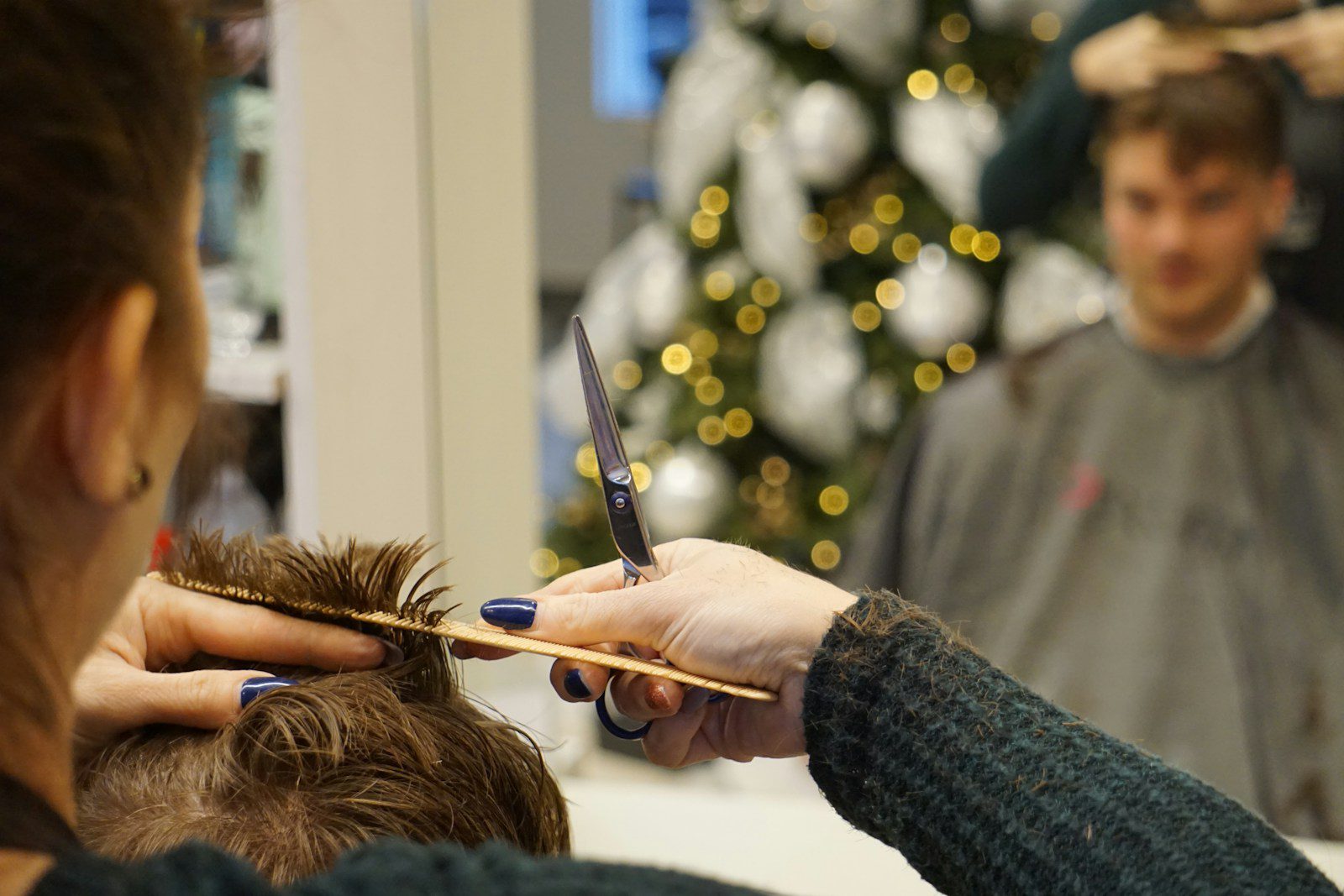
If he insists on a big change, introduce a trial period: agree on a short timeline (two weeks or a month) with the option to grow it out or modify it. Schedule a professional stylist who can make changes look intentional and neat. This reduces impulse decisions and gives the family time to adjust.
How to Prepare Your Child for Reactions at School
Role-play specific interactions so he has short responses ready. Practice lines like: “I picked this haircut because it makes me feel like me” or “It’s just hair — it grows back.” Keep the scripts simple and confident; rehearse tone and body language for two or three minutes a day.
Notify key adults ahead of time. Send a quick note to his teacher explaining the change and asking for support if teasing happens. Identify one trusted friend or peer ally at school. Finally, build a small toolkit he can carry: hair clips, a packable hat, and a brief phone script to call a parent if he needs support.
More from Decluttering Mom: