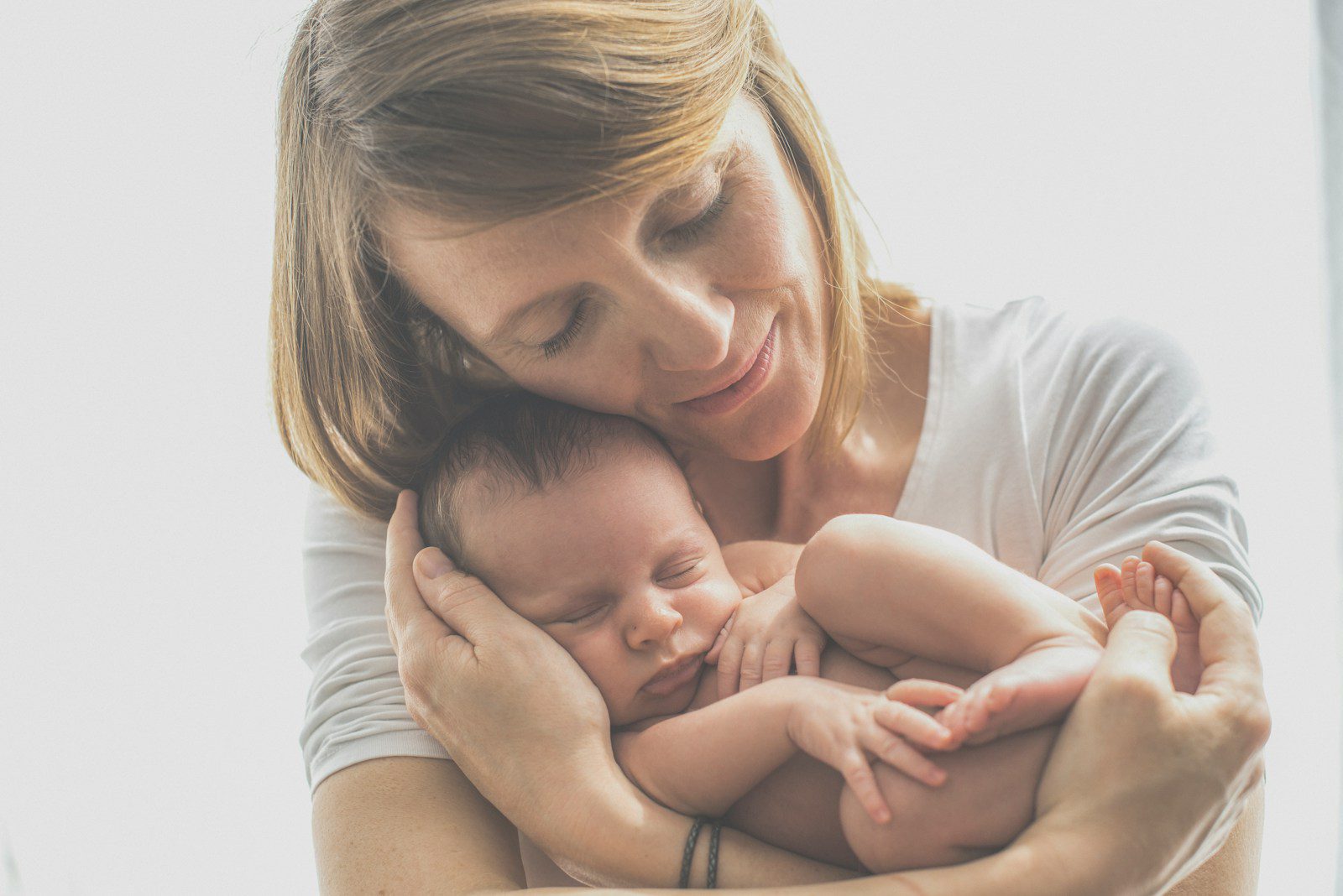
You step into a hospital room expecting a birthday celebration and instead meet a new life — a moment that collapses joy, surprise, and a quiet ache into one. She felt overwhelming love for her newborn and, at the same time, an intense grief when she realized her own mom wasn’t there to share that first glance.
That clash of joy and sorrow — meeting a baby on the day you would have celebrated with your mother — can make the moment feel both miraculous and painfully incomplete.
This piece will explore how intense emotions can arrive together, why absence sharpens both happiness and grief, and practical ways to honor both the new beginning and the person who’s missing.
Overwhelming Emotions Meeting Baby for the First Time
A rush of conflicting feelings can arrive in a single instant — relief, disbelief, and a sudden focus on the realities of motherhood. Those first moments often set the emotional tone for the hours and days that follow.
Initial Emotional Reactions and Surprises
Many mothers report shock and disbelief when they first see their newborn, especially after a long labor or an unexpected delivery method. She may feel stunned that the pregnancy has ended and overwhelmed by the physical reality of holding a tiny, fragile person. Reactions range from tears of joy to quiet numbness; some notice surprise about the baby’s appearance or sex, while others are startled by how small or warm the infant feels.
Emotions can also be practical and immediate: checking breathing, noticing cries, or thinking about feeding. These concrete observations can pierce through any haze and bring attention back to the present moment. For a first baby, the novelty intensifies every sensory detail — the smell, weight, and noise often register as vivid, memorable facts.
Feelings of Love, Bonding, and Responsibility
Love often arrives in varied ways: some mothers describe an instantaneous, overwhelming affection commonly called “love at first sight.” Others describe a slow build of attachment that grows over hours, days, or weeks as routines form. Both experiences are normal and reflect different personal histories and birthing circumstances.
Along with affection, a strong sense of responsibility appears quickly. She thinks about feeding schedules, safety, and who will help at home. When the birth coincides with a meaningful date — like a mother’s birthday — emotions can deepen, sometimes turning joy into bittersweet reflection about absent family members. That layered emotion does not lessen the care she feels; it simply adds complexity to the bonding process.
The Role of Oxytocin and Maternal Instincts
Hormones like oxytocin play a measurable role in post-birth bonding. Oxytocin release during labor and skin-to-skin contact encourages calming, milk let-down, and social connection. This biochemical response supports maternal instincts, making it easier to focus on the baby’s needs and to feel protective.
Maternal instinct combines biology with experience. Even if immediate bonding doesn’t feel intense, oxytocin and repeated caregiving behaviors tend to strengthen attachment over time. Practical acts — holding, feeding, changing — reinforce the emotional connection, turning early uncertainty into a developing instinct to nurture.
Navigating Joy and Grief: The Absence of the Mother’s Own Mom
She felt the cut of absence at the exact moment joy arrived; the day mixed newborn awe with the voice she could not call. Practical supports, memory rituals, and small permissions to feel both glad and broken helped her move through the day.
Coping With the Absence During a Major Life Event
She planned the day with practical anchors: a simple timeline for feeding, a phone contact list for visitors, and a quiet room reserved for naps. Those small structures reduced chaos so she could notice feelings when they came instead of being swallowed by them.
When the baby latched or first blinked awake, grief arrived uninvited. She let herself name the thought—“I wish Mom were here”—and then used two tools: breath work to steady the body and a photo she kept in her bag to speak to silently.
Close friends and partners played key roles. One text—“I’m by the door if you want company”—was enough to pull her back from spiraling. Practical offers (holding the baby for 20 minutes, bringing a meal) mattered more than condolences.
She accepted that some moments would be split: joy at the newborn, sorrow for the missing person who would have loved that baby. That permission kept her present instead of policing her feelings.
Reflections on Legacy and New Beginnings
She examined what her mother taught her about parenting and decided which lessons to keep. Some traditions felt essential: the way to hum while rocking, a recipe for stew, a frankness about emotions. Others she adapted to fit the life she was building.
At night she wrote short notes—three lines—about traits she hoped to pass on, like curiosity or blunt kindness. Those notes became a portable guide during sleepless feeds.
She also acknowledged grief’s role in shaping commitment. Losing her mother made her more deliberate in small acts: naming family stories aloud, asking elders questions on video calls, and framing everyday routines as legacy-building rather than mere survival.
This reframing let her hold grief and intention together; both informed how she welcomed the child into the world.
Creating Connection Through Generational Memories
She used objects and stories to stitch a felt connection between the baby and the grandmother who never met them. A blanket, a ring worn while swaddling, and recorded voicemail clips served as tactile bridges.
On slow afternoons she told single, vivid stories—one per day—about the grandmother: a childhood mischief, a stubborn habit, a phrase she repeated. Short stories stuck; long biographies did not.
She invited others to contribute memory prompts: “Tell one thing she loved to cook” or “What did she always say at bedtime?” Those prompts yielded moments the baby and parent could later revisit together.
Over time these tangible rituals created a living archive: a playlist of voice messages, a labeled box of keepsakes, and a list of three recurring family sayings. Each item made the absence less empty and more threaded into daily parenting.
More from Decluttering Mom: