A mother in Ohio says a viral social media dare pushed her children to swallow far more medication than any doctor would recommend, landing them in the hospital and leaving her with a new kind of fear about what kids are seeing on their phones. Her story is not just about one family’s scare, but about how quickly a “challenge” can turn into an emergency when it jumps from a screen into a real living room. As parents, doctors and even police try to piece together what happened, the case is becoming a shorthand for how dangerous these trends can be when they collide with boredom, curiosity and easy access to over the counter drugs.
The overdose scare is unfolding against a wider backdrop of risky online dares, from choking games to high dose allergy pill stunts, that have already been linked to serious injuries and deaths. Together, they paint a picture of platforms where kids are nudged to treat medicine like a toy and suffocation like a party trick, while adults scramble to catch up.
Inside the Ohio mother’s terrifying night
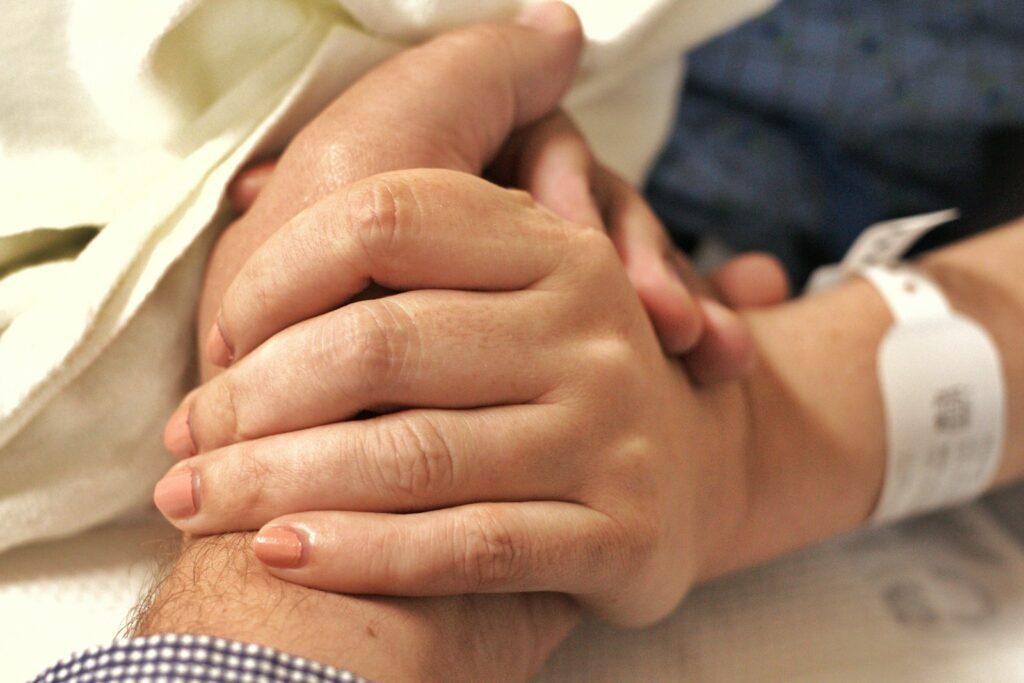
The Ohio mother at the center of this story says the trouble started quietly, with her children tucked away in another room and a phone in their hands. By the time she realized something was wrong, they had taken multiple doses of an over the counter medication as part of what they believed was a social media challenge, far beyond anything close to a safe amount. She later told police that she had not seen the video herself, but that her kids described it as a dare to swallow several pills and film the reaction, a setup that turned a common household medicine into a kind of roulette.
According to a police report cited in coverage of the case, a medic on the scene compared what the children took to the typical dosage guidelines for someone over 12 years old, which is one tablet every four hours, and found that the kids had blown past that limit by a wide margin. That detail, laid out in reporting from Jan, underscores how a stunt that might look like a joke on a short video can translate into a textbook overdose in real life.
What first responders saw when they arrived
By the time first responders reached the home, the mother had already watched her children’s behavior shift from giggly to frightening. She told officers that one child’s speech started to slur and another seemed unusually drowsy, signs that something more serious than a sugar rush was going on. When she could not get straight answers about how many pills they had taken or how long it had been, she made the call to 911, a decision that likely kept the situation from getting even worse.
According to details pulled from the same police report and shared in regional coverage, a medic on scene walked through the math on the spot, comparing the number of tablets the kids admitted to taking with the standard one tablet every four hours guideline for anyone older than 12. That comparison, echoed in a separate account from According, made it clear that the children were not just a little off label, they were in overdose territory, and they were transported to the hospital for monitoring and treatment.
How the “challenge” allegedly spread to her kids
In her account to local reporters and on social media, the Ohio mother has focused on the role of the unnamed platform where her kids say they saw the dare. She describes a setup that will sound familiar to a lot of parents: children scrolling through short videos, stumbling on a clip where someone their age swallows a handful of pills, laughs into the camera and dares others to try it. Her children, she says, believed they were just copying what they saw, not flirting with a trip to the emergency room.
One Facebook post that amplified her story framed it bluntly, saying a Mother in Ohio was warning others after a social media challenge led her children to overdose and hospitalization. In another thread, commenters seized on the same case to argue about responsibility, with some insisting there was No ACCOUNTABILITY from platforms and others firing back with questions like “Why are your children on” these apps without closer supervision. The back and forth captures how one family’s emergency quickly became a proxy fight over who should be guarding kids from viral stunts.
The Benadryl Challenge and a deadly track record
The Ohio case is not happening in a vacuum. For several years, doctors and parents have been sounding alarms about the so called Benadryl Challenge, a trend where teens swallow high doses of diphenhydramine, the active ingredient in Benadryl, to try to trigger hallucinations on camera. The challenge first surfaced widely in 2020 and has been linked to multiple overdoses, including cases where teens ended up in intensive care after chasing a few seconds of viral fame.
Experts have pointed to at least one especially stark example, a 15 year old girl from Oklahoma who died after taking part in the Benadryl Challenge. In that case, doctors and toxicologists used her death to spell out what high dose antihistamines can do to a young body, from dangerous heart rhythm changes to seizures and coma. When parents in Ohio now hear that kids there overdosed after copying a social media dare involving medication, they are hearing it against the backdrop of that earlier warning.
Blackout, choking games and the evolution of risky dares
Medication stunts are only one branch of the tree. Another, older strain of online dares revolves around suffocation, sometimes packaged as the choking game or, more recently, as the Blackout challenge. In these clips, kids are encouraged to cut off their own air supply or have friends do it for them, then film the moment they lose consciousness and snap back, treating the blackout as a punchline instead of a medical emergency.
According to a detailed description of the Blackout challenge, the stunt is essentially an internet version of the choking game, built around depriving the brain of oxygen long enough to cause a brief loss of consciousness. That same overview links the trend to several fatalities, a reminder that the line between a “funny” fainting video and a fatal brain injury can be frighteningly thin. When parents hear about their children copying a pill challenge in Ohio, many are mentally grouping it with these suffocation dares as part of a broader pattern of risky content that treats the body like a prop.
What the dosage numbers actually mean
One reason the Ohio story has hit a nerve is that the numbers are so stark. The standard guidance for the medication involved, as laid out in the police report and repeated in multiple news accounts, is one tablet every four hours for anyone over 12 years old. That kind of label is written with a wide safety margin, which means that when kids start stacking pills on top of each other in quick succession, they are not just bending the rules, they are stepping into territory where doctors expect side effects and, at higher levels, outright poisoning.
In the Ohio case, the medic who responded to the 911 call reportedly walked through that math with the mother, explaining that the number of tablets her children admitted to taking in a short window was far above the one tablet every four hours guideline. That detail appears in both the According account and the earlier report linked to Jan, and it helps translate a vague fear about “too much medicine” into something more concrete. For parents trying to make sense of the story, it is a cue to pull the box out of the cabinet and actually read the dosing chart instead of assuming a few extra tablets are harmless.
Parents, platforms and the blame game
As the Ohio mother’s story has spread, so has the argument over who should be held responsible when a social media stunt ends in an overdose. In comment sections and community groups, some people have zeroed in on the platforms, accusing them of letting dangerous content circulate and profit from engagement even when the stakes are life and death. Others have turned the spotlight back on parents, asking why children have unsupervised access to apps that are known to host risky challenges and why medications are left within easy reach.
The Facebook thread that highlighted the Ohio Ohio case captured that split in real time, with some commenters insisting that tech companies should be sued and others firing off lines like “Why are your children on” these apps at all. A separate post that referenced the same incident used the phrase Why in a way that made it clear the writer saw this as a parenting failure more than a platform problem. The reality, as child safety experts often point out, is that both sides have leverage: parents control access and conversations at home, while platforms control algorithms, moderation and the tools that can either amplify or bury dangerous trends.
How doctors and educators say parents should respond
Health professionals who have watched the Benadryl Challenge and similar trends unfold tend to give the same first piece of advice to parents: talk early and talk often. They suggest treating social media dares the way previous generations treated peer pressure around drinking or driving, something to be named out loud and unpacked before a child is staring at a video that dares them to swallow a handful of pills. In the wake of the Ohio overdose, that means asking kids directly what kinds of challenges they have seen and making it clear that any stunt involving medicine, choking or loss of consciousness is a hard no.
Educators and school nurses have also been urging families to lock down medicine cabinets and keep a closer eye on what kids are watching on their phones, especially in the late evening hours when supervision tends to slip. They point to the specific dosing guidance that surfaced in the According and KPLC reports, one tablet every four hours for those over 12, as a concrete example parents can use when explaining why “just a few more” is not safe. The goal is not to scare kids away from all medicine, but to draw a bright line between following a doctor’s instructions and following a stranger’s dare.
Why this Ohio case is a warning sign, not a one off
For families who have not yet had a close call, it might be tempting to treat the Ohio overdose as a freak event, the kind of thing that happens to other people’s kids. The pattern that emerges when it is lined up next to the Benadryl Challenge and the Blackout trend tells a different story. In each case, a risky behavior that used to be confined to a small circle of thrill seekers has been repackaged as a shareable challenge, complete with hashtags, reaction videos and a built in audience of peers who reward the most extreme attempts with likes and comments.
The Ohio mother who watched her children get loaded into an ambulance after copying a pill stunt is now part of the same reluctant club as the parents of the 15 year old from Oklahoma who died after taking too much Benadryl and the families who have lost children to the Blackout challenge. Their stories are a collective warning that the next viral dare is already loading on someone’s screen, and that the only real buffer between a trending sound and a hospital bed is a mix of honest conversations, tighter controls and platforms that take their role in kids’ lives seriously.
More from Decluttering Mom: