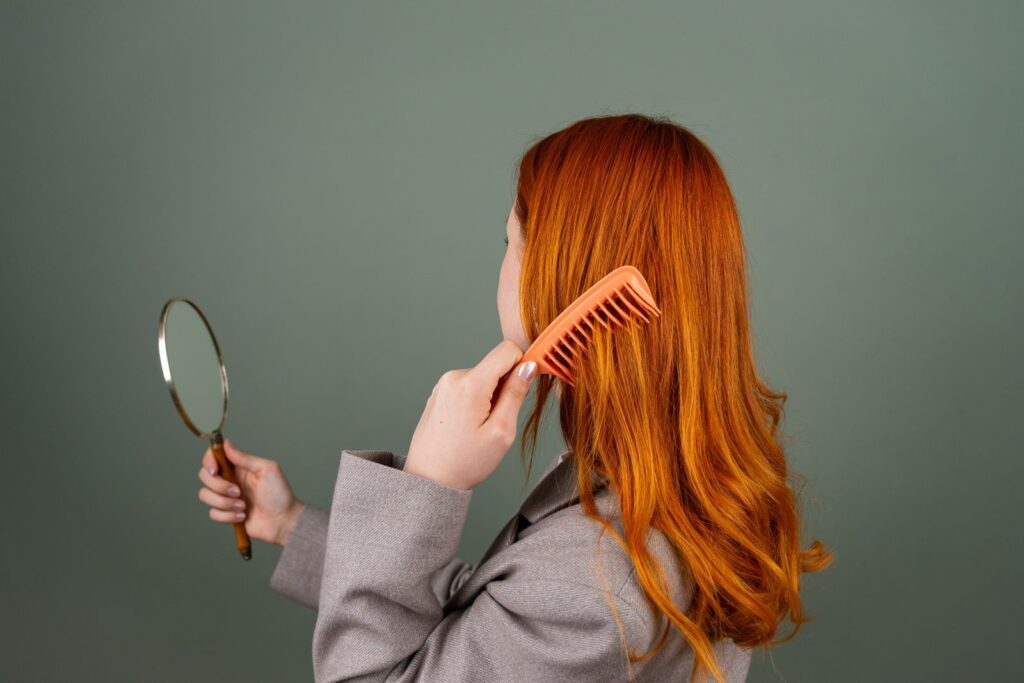
One mom was caught off guard when she noticed her hair was falling out more than it used to after moving back in with her narcissistic mother. Instead of the expected comfort and support, she found herself grappling with stress, anxiety, and physical symptoms that seemed to compound daily. While she was planning a way out, the realities of living in that environment were taking a visible toll on her body.
The effects of being around a narcissist can manifest in many unexpected ways. In her post, the mom described how her hair loss was just one of several physical indicators that she was under emotional strain. She didn’t realize how much of a physical impact this living situation could have until it was staring her in the face, or rather, in her bathroom mirror each morning.
People had very different reactions to her observations. Some shared similar experiences about their own hair loss or other stress-related symptoms. They noted how constant tension can lead to everything from insomnia to skin issues, providing a slightly uncomfortable camaraderie. It seemed to resonate with many who had walked a similar path, recognizing the signs of emotional burnout.
Others pointed out how living with a narcissistic parent often comes with a heavy emotional price tag. It’s common for those individuals to feel invalidated or unheard, which can lead to anxiety and a range of physical symptoms like digestive issues, chronic fatigue, or even unexplained aches and pains. The overwhelming pressure of a narcissistic dynamic can leave anyone feeling drained, both mentally and physically.
Interestingly, some users added that hair loss isn’t just a problem for women. Men who’ve lived with narcissistic personalities also reported similar experiences, connecting their difficulties to stress in various forms. This shared struggle highlighted how widespread the effects of such environments can be, regardless of gender.
As the conversation evolved, many began to draw connections to their coping mechanisms. Some had turned to therapy, while others engaged in self-care practices to combat the physical and emotional fallout. It sparked a discussion about what people can do to protect themselves while still navigating these difficult relationships. Yet, it also raised questions about what happens to those who remain caught in the cycle of toxicity.
The mom’s candid disclosure about her hair loss and stress opened up a window into the less visible impacts of living with a narcissist. It made others reflect on their own situations, leading them to share stories that sometimes mirrored hers. Many felt a sense of relief in recognizing these symptoms and acknowledging their origins, though that acknowledgment didn’t solve anything immediately.
To some, the mom’s journey represented a temporary phase—one that would end soon as she planned her exit. Yet for others, it felt like a longer-term struggle. They expressed concern over how pervasive and damaging these dynamics can be, particularly when the affected individual is still living under the same roof as their narcissistic parent. It’s a tricky balance of seeking safety while grappling with the need for independence.
As the discussion continued, it became clear that while shared experiences can foster connection, they don’t always provide solutions. The mom’s revelation about her hair loss wasn’t simply a personal struggle; it resonated with a broader community trying to navigate similar paths. Whether it’s emotional scars or physical symptoms, living with a narcissist can leave lasting impressions that extend far beyond the immediate environment.
In the end, the conversation lingered on a rather uncomfortable note. It made one wonder what long-term consequences living with a narcissist might have and how to recognize when stress is manifesting in the body. Can someone truly heal while still being exposed to the source of their pain? Or does the journey require a complete severance from those toxic dynamics? The answers remain elusive.
More from Decluttering Mom: