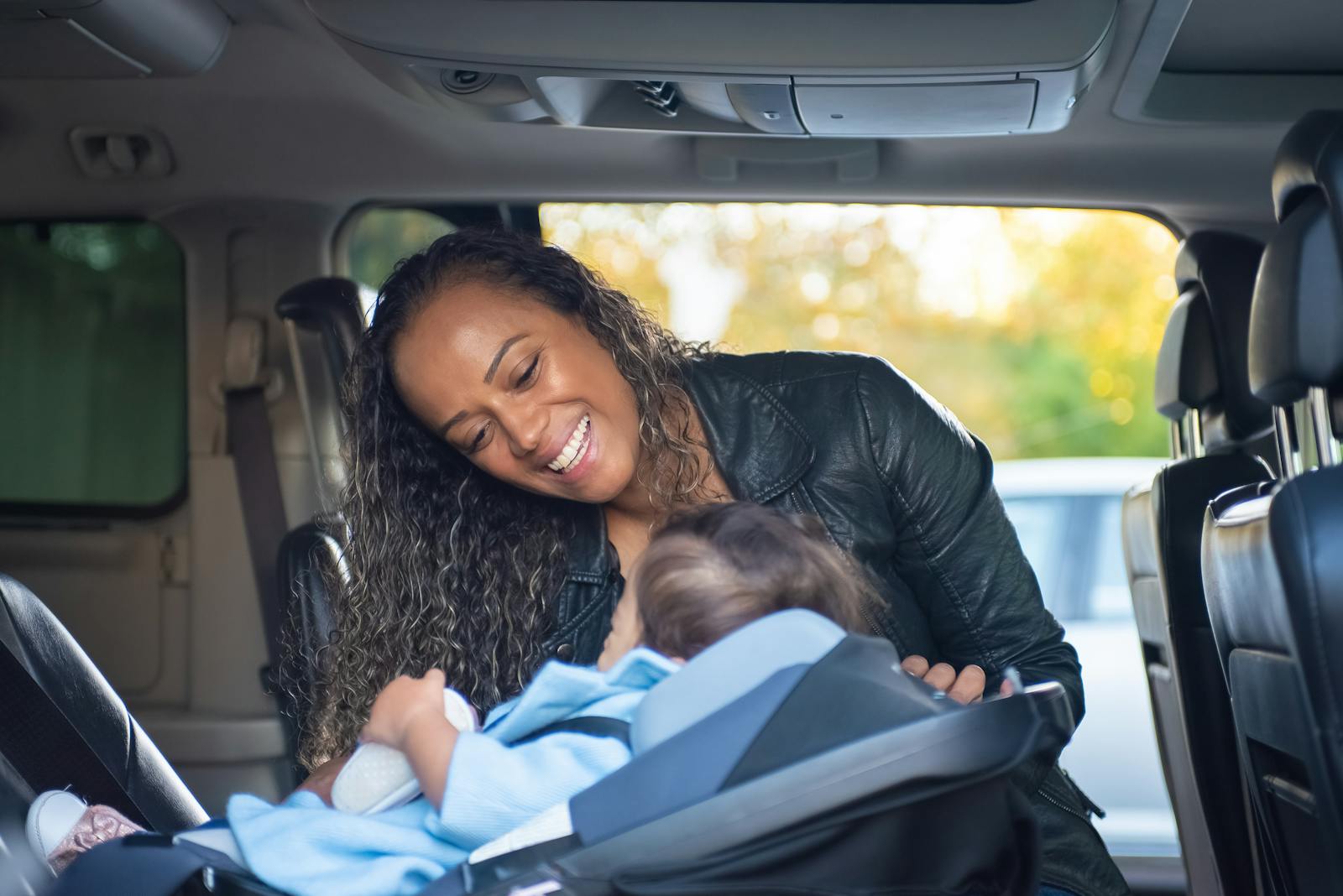
Few sounds rattle a parent faster than a baby screaming at full volume in a car seat. The crying often starts the moment the harness clicks and does not stop until the baby is lifted out, turning a ten-minute drive to the pediatrician into something that feels closer to an endurance test. For stroller rides, the pattern can be just as intense: arched back, red face, neighbors staring.
If this is your daily reality, you are not alone, and you are not doing anything wrong. Pediatricians and certified child passenger safety technicians (CPSTs) say car seat and stroller resistance is one of the most common complaints they hear from families with infants. The good news is that it almost always has identifiable causes, and most of them are fixable without buying a single new product.
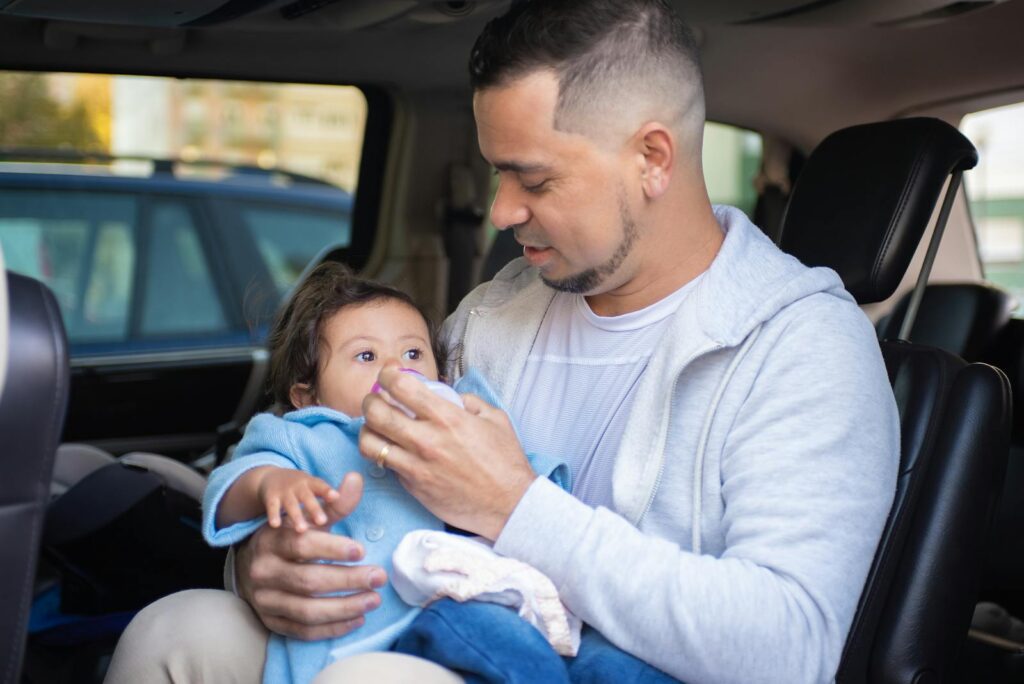
Why babies fight the car seat and stroller
The most frequent culprit is straightforward physical discomfort. According to the National Highway Traffic Safety Administration (NHTSA), a harness that is too loose allows a baby to slump, while straps set at the wrong height can dig into shoulders or thighs. Babies grow fast in the first year, and a seat that fit perfectly at the two-week checkup may pinch by the two-month visit. Even small issues, like a twisted crotch buckle or a chest clip sitting on the belly instead of at armpit level, can make a short ride miserable.
Recline angle matters, too. Infant bucket seats and rear-facing convertibles need to be reclined enough to keep a young baby’s airway open, typically between 30 and 45 degrees depending on the model. A seat that is too upright can cause a newborn’s heavy head to fall forward, restricting breathing and triggering distress. A seat that is too reclined may worsen spit-up in babies with gastroesophageal reflux.
Temperature is another trigger parents often overlook. The deep, padded sides of most infant seats trap heat. The American Academy of Pediatrics (AAP) warns against buckling children in puffy coats or snowsuits because the bulk compresses in a crash and leaves the harness too loose. But even in mild weather, overdressing a baby in fleece or heavy cotton before strapping them into an insulated seat can cause overheating and fussiness.
Beyond physical comfort, there is a sensory and emotional dimension. A baby who spends most of the day held against a caregiver’s chest is suddenly placed on their back, facing a blank seat, surrounded by engine noise or street sounds. The Car Seats for the Littles advocacy group, run by certified CPSTs, notes that rear-facing babies cannot see their caregiver and may feel isolated, which can intensify crying in babies experiencing normal separation anxiety (typically peaking between 6 and 18 months).
Rule out medical issues first
Before adjusting straps or buying toys, it is worth a conversation with your baby’s pediatrician. Persistent, intense screaming in the car seat can sometimes signal an underlying issue that no amount of strap adjustment will fix.
- Reflux (GERD): The semi-reclined position of an infant car seat can worsen acid reflux. Babies with reflux may arch their backs, spit up frequently, and cry harder when laid back. A pediatrician can evaluate whether medication or positioning changes are needed.
- Ear infections: Pressure changes and the vibration of a moving car can aggravate ear pain. If the screaming is new, sudden, and accompanied by fever, tugging at ears, or recent congestion, an ear infection is worth ruling out.
- Torticollis: A baby with tightness on one side of the neck may find the car seat position painful. Torticollis is treatable with physical therapy, but it needs to be identified first.
If your pediatrician clears medical causes, you can move on to the practical fixes below with confidence that the problem is environmental, not physical.
How to fix the fit
A proper harness fit is the single most impactful change most families can make, and it costs nothing. The NHTSA offers free car seat inspection stations staffed by certified technicians across the country. A 15-minute check can reveal problems a parent would never spot on their own.
Key fit points to check at home:
- Harness height: For rear-facing seats, the harness slots should be at or below the baby’s shoulders. Straps set too high allow the baby to slide; straps set too low dig in.
- Chest clip position: It should sit at armpit level, not on the belly or up near the throat.
- Pinch test: After tightening the harness, try to pinch the strap fabric at the baby’s shoulder. If you can pinch a fold, it is too loose.
- Recline angle: Use the level indicator built into most seats. If your baby’s head consistently falls forward, the seat likely needs more recline.
- No aftermarket inserts: Padding, strap covers, or head supports that did not come in the box with the seat have not been crash-tested with it and can interfere with harness performance. The AAP and NHTSA both advise against them.
For strollers, the same principles apply on a smaller scale. Make sure the harness is snug, the recline is appropriate for the baby’s age (fully reclined for newborns who cannot sit independently), and the footrest is not pushing the baby’s legs into an awkward position.
Practical strategies that actually help
Once the seat fits correctly and medical issues are off the table, these approaches have the strongest track record among both pediatric professionals and experienced parents:
Get the timing right
A hungry, overtired baby will scream in any container. Feed and change your baby shortly before buckling in, and try to schedule drives during a window when the baby is alert but not approaching a meltdown. For longer trips, plan stops every one to two hours to feed, change, and give the baby time out of the seat. The AAP recommends that infants not spend more than two hours at a time in a car seat to reduce the risk of positional breathing issues.
Dress for the seat, not the weather
Put the baby in thin, snug layers and buckle the harness directly against their body. Once the harness is tight, drape a blanket over the top or use a car seat cover designed to go over (not under) the straps. This keeps the baby warm without compromising the harness.
Use sound strategically
White noise apps, a portable sound machine clipped to the car seat handle, or even a playlist of low, rhythmic music can help mask jarring road noise. Some parents find that talking or singing to the baby works better than any device. The key is consistency: if the baby begins to associate a particular sound with car rides, it can become a calming cue over time.
Add a rear-facing mirror (with a caveat)
A mirror attached to the back seat headrest lets a rear-facing baby see the driver and vice versa. Many parents report that this alone reduces crying significantly. However, some CPSTs caution that a poorly secured mirror could become a projectile in a crash. If you use one, choose a model with a strong, padded attachment and test that it stays in place when you tug it firmly.
Rotate novel distractions
Keep a small bag of soft, car-seat-safe toys that only come out during rides. A crinkle book, a teething ring, or a high-contrast card can hold a baby’s attention for a critical few minutes. Swap items every few days so they stay interesting.
Build tolerance gradually
If your baby’s reaction is severe, start with very short trips (around the block, to the end of the street and back) and slowly increase duration. For strollers, try letting the baby sit in the stroller at home, unbuckled and supervised, so the seat itself stops feeling foreign. Pair the stroller with a favorite activity, like a walk to watch dogs at the park, so the baby begins to associate it with something enjoyable.
When it feels unbearable for the parent
The emotional weight of this problem deserves honest acknowledgment. Listening to your baby scream while you drive, unable to pick them up, triggers a primal stress response. Parents in online communities like r/AttachmentParenting describe pulling over on highways in tears, canceling appointments, and feeling guilt no matter what they choose.
If you are in that place, two things are worth hearing. First, a baby crying in a properly installed, correctly fitted car seat is safe. The crying is distressing, but it is not harmful. Second, your own mental health matters. The Children’s Hospital Colorado advises caregivers who feel overwhelmed by a baby’s crying to secure the child safely, then step away for a few minutes to breathe. On the road, that means pulling over, turning off the engine, and taking a moment before continuing. Never shake or strike a baby, no matter how intense the frustration.
If the crying is making you dread leaving the house or affecting your mood and daily functioning, bring it up with your OB, midwife, or primary care provider. Postpartum anxiety and depression can amplify the distress of a screaming baby, and treatment helps.
The phase usually ends
Most babies who hate the car seat in the early months improve significantly between 6 and 12 months, as they gain head and trunk control, move to a more upright convertible seat, and become better able to entertain themselves. Some babies turn a corner almost overnight after a seat change or a growth spurt. Others take longer, especially if sensory sensitivities or reflux are part of the picture.
There is no magic age or guaranteed fix, but the combination of correct fit, good timing, sensory support, and gradual exposure resolves the problem for the vast majority of families. If it does not, a pediatric occupational therapist can evaluate whether sensory processing differences are contributing and suggest targeted strategies.
In the meantime, keep the drives short when you can, keep the harness snug, and remind yourself that this is one of the louder, harder phases of early parenthood, not a permanent condition.
More from Decluttering Mom: