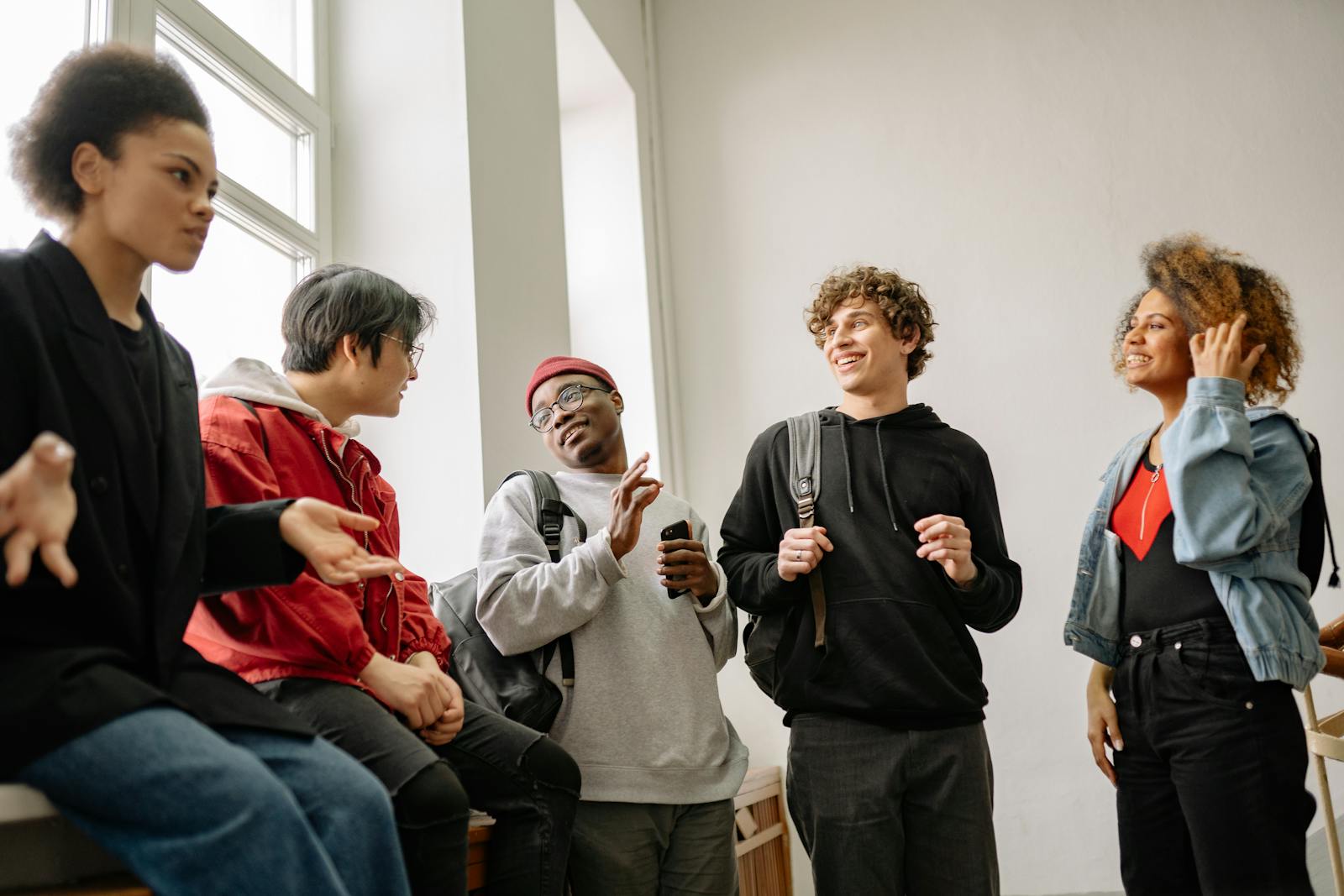
You witness a classmate say she’d never date a Black man because it would “ruin her bloodline,” and you decide to call her out by pointing out that she’s Black too. That confrontation flips the room, turns whispers into accusations, and suddenly you’re painted as the villain for naming the obvious.
You want to know what happened, why that phrase hurts, and how this spiraled into a debate about identity, colorism, and social expectations. This piece explains the confrontation, the harm of the “bloodline” line, and how honest conversations about race can start—even when they make someone unpopular.

The Conversation: What Really Happened
Tension started over a casual comment and quickly escalated into a full classroom confrontation. The exchange included a direct insult about race, a factual reveal about ancestry, and loud reactions from nearby classmates.
Her Statement About Dating Black Men
She said, in a joking tone that sounded practiced, “I’d never date a Black man — it would ruin my bloodline.”
The room went quiet for a beat; the comment landed as both a personal preference and a racial denigration. She framed it as a private boundary, but used racial language that painted Black men as genetically or culturally contaminating.
Several people asked for clarification, and she doubled down, saying she meant “people who look like that” and waved her hand dismissively. Her words referenced heredity and value judgments, not shared experiences or attraction — which made the line read as an explicit racial insult.
My Response Revealing Her Background
He responded sharply: “You’re Black too.”
He didn’t shout; he stated a fact about her family history she had mentioned in earlier conversations. He referenced her maternal grandmother’s origin and the DNA test she once joked about. The reply aimed to expose the contradiction between her ancestry and her statement.
The comment targeted the inconsistency rather than her personhood. He expected cognitive dissonance to prompt reflection, not a fight. But the revelation removed her rhetorical shield of “preference” and reframed her sentence as self-directed bias.
Immediate Reactions From Our Peers
People clustered in small groups, whispering and pointing out specifics: the grandmother she’d mentioned, the old yearbook photo, and the time she used a phrase tied to Black culture. Phones came out; faces tightened.
Some defended her right to a dating preference and called his interjection rude. Others accused her of racism and praised him for calling it out. A couple of classmates tried to mediate, urging both to calm down, while one student recorded the exchange.
The instructor stepped in after a few minutes to re-establish order, but the social consequences had already started: strained friendships, private messages, and polarized opinions that followed them through the day.
Why Saying ‘It Would Ruin Her Bloodline’ Is Harmful
That phrase treats ancestry and identity like a commodity and signals deep-seated prejudice. It reinforces a hierarchy of worth tied to race and rejects people based on ancestry rather than individual character.
Historical Context of Bloodline Beliefs
Beliefs about “pure” bloodlines trace to colonialism and eugenics, when scientists and lawmakers promoted racial hierarchies to justify slavery and segregation. Laws in the United States and Europe once barred interracial marriage and classified people by fractional ancestry to maintain power structures.
Those policies weren’t just legal; they seeped into cultural norms, creating social penalties for cross-racial relationships and stigmatizing children of mixed heritage.
References to “ruining bloodlines” echo those pseudo-scientific ideas and dismiss centuries of violence and coercion aimed at controlling reproduction.
When someone repeats that language today, they’re resurrecting a legacy that measured human value by race, not by behavior or personhood.
The Impact of Internalized Racism
Internalized racism makes people accept negative racial stereotypes about themselves and their group, influencing dating choices and social circles.
A person who says a Black partner would “ruin” their lineage often reflects learned beliefs from family, media, or community pressure rather than independent judgment.
This harms mental health: it can cause shame in Black relatives, create tension within mixed families, and invalidate the identities of people who are themselves Black or mixed race.
Calling someone “ruined” because of a partner’s race also erodes trust and demeans partners, treating them as contaminants instead of equal humans.
Addressing internalized racism requires naming these learned biases and confronting the sources—history, institutions, and personal upbringing—that produce them.
Identity, Colorism, and Perceptions Within the Black Community
Color hierarchies, family stories, and social pressure shape how people see themselves and others. Skin tone, hair texture, and facial features often carry coded meanings that affect dating, status, and belonging.
Understanding Colorism and Self-Perception
Colorism means privileging lighter skin and certain features within and outside the Black community. It often traces to slavery, colonial beauty standards, and media representation. Those dynamics influence who gets positive attention, easier dating prospects, or perceived respect.
People internalize these messages differently. Some pursue skin-lightening products, others adopt straightened hair, and many alter speech or style to fit expectations. These choices can be survival strategies or attempts to gain social capital, not simply vanity.
Colorism affects mental health. Feelings of shame, insecurity, or superiority link directly to how someone’s appearance is valued. Conversations about identity must acknowledge both personal histories and structural roots.
Family and Cultural Influences on Identity
Families pass down attitudes about skin tone through comments, comparisons, and marriage preferences. Grandparents might praise a “light-skinned” relative, while parents give micro-compliments tied to perceived attractiveness. Those remarks shape children’s self-worth early.
Cultural institutions reinforce family messages. Churches, schools, and Black media often reflect the same color preferences, even unintentionally. Dating norms circulate at family gatherings where comments about “keeping the bloodline” or marrying a certain type appear.
Peers and neighborhood context also matter. In communities where lighter skin correlates with socioeconomic advantage, people may adopt behaviors to align with that image. Those influences make identity a mix of personal feeling and social signaling.
Being Labeled the Villain: Social Backlash and Stereotypes
People react quickly when someone calls out racism within a friend group or classroom. The reactions often reveal more about group dynamics and implicit biases than about the person who spoke up.
How Responses Are Framed in Social Groups
Friends and classmates often frame the speaker as “the problem” to avoid discomfort and preserve social cohesion. They describe the confrontation as harsh, dramatic, or unnecessary, which shifts attention from the original racist comment to the messenger’s tone and method. This reframing lets the group minimize culpability and maintain the status quo.
Social media amplifies that framing. Short clips, out-of-context quotes, and selective screenshots can make a calm correction look aggressive. Those who defend the classmate cite loyalty or “standing up” for her, while critics call out hypocrisy. These narratives shape who gets labeled a villain and why.
Navigating Blame When Addressing Prejudice
When someone confronts racist remarks, peers often assign blame in predictable ways. The speaker is accused of creating conflict, breaking group norms, or seeking attention. Meanwhile, the original prejudiced comment gets downplayed as a joke or ignorance, which protects the offender from accountability.
To navigate this, the person who called out the comment can document the exchange, name specific language used, and request private or mediated conversations. Allies who witnessed the incident should corroborate details and redirect focus to the content of the offensive statement. Clear, calm language lowers the chance of being cast as aggressive and helps keep the discussion on the actual harm.
Starting Honest Conversations About Race at School
Students can open direct, specific talks about race by naming behaviors, asking curious questions, and setting clear boundaries. Small steps—calling out a racist comment, offering a personal perspective, or asking to pause a conversation—change the tone of group interactions.
Addressing Internal Biases in Friendships
He should begin by identifying concrete examples of bias in friend group interactions, like jokes, exclusion from study groups, or assumptions about dating preferences. Encourage them to keep a private list of moments when someone’s words or actions implied hierarchy or inferiority; tracking specifics removes ambiguity and builds accountability.
They can use one-on-one talks that start with observations, not accusations: “Yesterday, when you said X, I noticed Y happened.” Suggest replacing defensive phrases with curiosity: “What did you mean when you said that?” This keeps the focus on behavior, not character.
Offer practical repair steps: apologize when appropriate, change future behavior, and invite feedback. If patterns continue, suggest shifting social dynamics—spend time with peers who model inclusive language and intervene together when slurs or exclusion occur.
Encouraging Empathy and Awareness
She can prompt classmates to share lived experiences in controlled formats like guided discussions, short personal statements, or anonymous reflection boxes. Use specific prompts: “Describe one time someone assumed something about you because of your race,” or “Name a microaggression you’ve heard in school.” Concrete prompts lower barriers to participation.
Recommend classroom routines that build perspective-taking, such as rotating storytelling where each student summarizes a peer’s experience before responding. Teach active listening skills—paraphrase, ask clarifying questions, and avoid interrupting—to prevent conversations from devolving into debates.
Provide resources teachers can use: vetted articles, testimony videos from local community members, and simple behavior contracts for classroom discussions. Encourage regular check-ins so empathy practice moves from a single event to an ongoing norm.
Reflecting on What Comes Next
She feels the room shift after the confrontation, and silence hangs for a beat that stretches longer than expected. People glance down, then away; some whisper while others pretend nothing happened.
He thinks about the immediate fallout: classes might feel colder, messages could come, and mutual friends may take sides. That practical reality sits next to a more gnawing question about trust and future interactions.
They consider whether to reach out to the classmate privately or let things cool. A calm, focused message can open space for dialogue; silence can harden positions.
She worries about being labeled the villain, but also recognizes the power in insisting on truth. That tension pushes toward choices: repair the relationship, set boundaries, or step back entirely.
He lists possible next steps to stay grounded:
- Take a few days to process before responding.
- Speak with a trusted friend or mentor for perspective.
- Decide whether to request a mediated conversation if safety feels uncertain.
They keep accountability in mind. Apologies matter, but consistent actions and changed behavior determine whether trust can rebuild.
She knows the coming weeks will reveal more than words. People will watch how each person behaves, and that observation will shape what relationships survive.
More from Decluttering Mom: