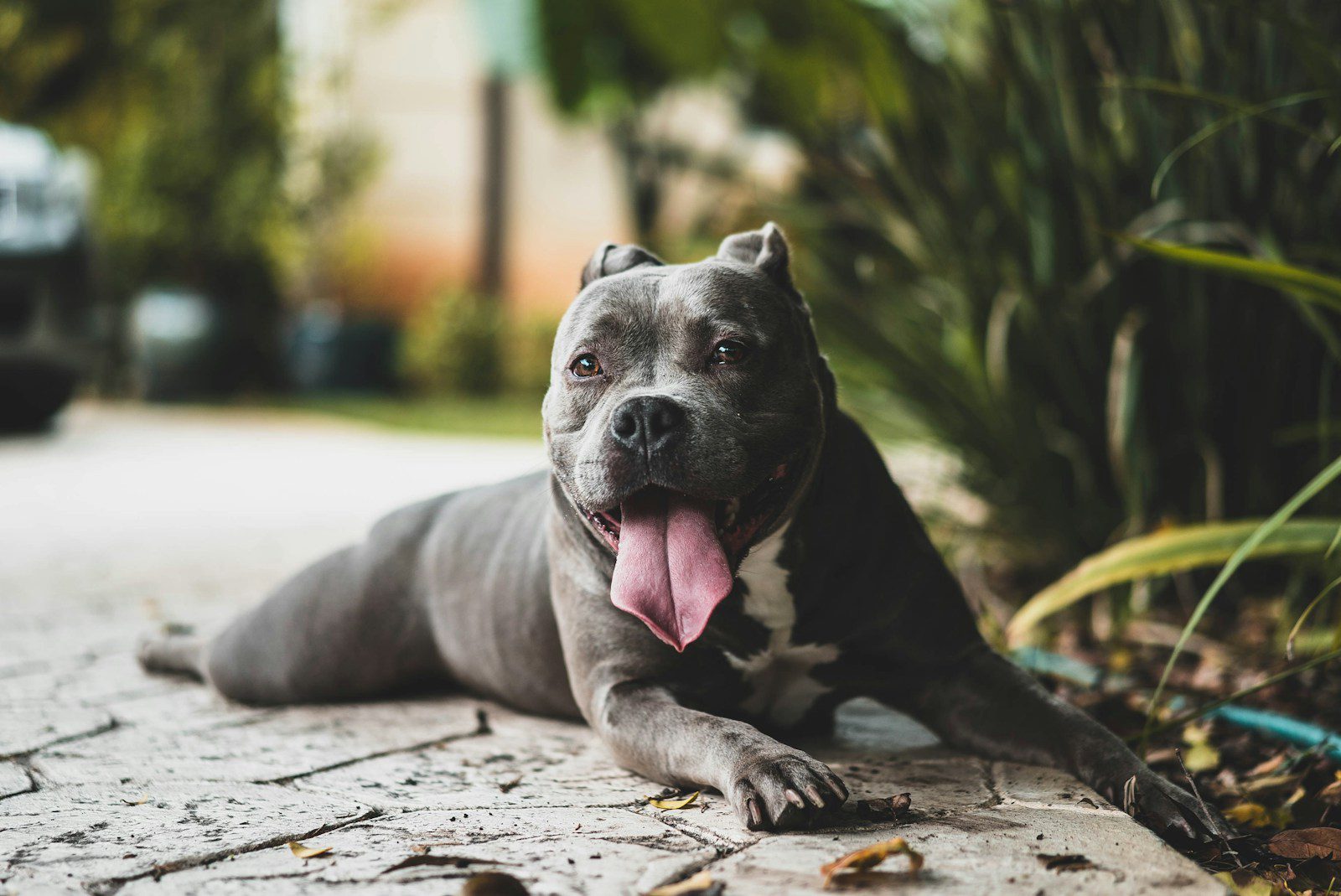
When a dog attack lasts ten minutes, it does not just leave scars, it rewrites a life. That is what happened to pro skateboarder and model Brooklinn Khoury, who now says simply, “my face is different now,” and means it in every possible way. Her story is brutal, but it is also a clear look at what survival, recovery, and visibility really demand from someone whose appearance has been permanently changed.
Her account of a relative’s pitbull suddenly turning on her is hard to read, yet she has chosen to tell it in detail so people understand both the danger and the aftermath. From the kitchen where the dog lunged, to the operating room where surgeons tried to rebuild what was torn away, to the social media posts where she now shows her new face without filters, Khoury has turned a ten‑minute attack into a long, public conversation about trauma, prevention, and face equality.
The Day Everything Changed
Brooklinn Khoury was not walking into a stranger’s yard or provoking an unknown animal when her life changed. She was visiting family in Arizona, hanging out in the kitchen with a dog she had met plenty of times before, relaxed in the way people are around pets they think they know. She has recalled how she turned to look at her cousin, and in that split second the dog lunged at her face, a routine moment snapping into horror as the pitbull clamped down and did not let go. That ordinary family visit in Arizona became the dividing line between the life she had and the one she has now.
In November, the attack left injuries so severe that doctors could not immediately repair them, and the damage to her upper lip and nose was obvious even in the emergency room. Khoury had been on the cusp of a promising career as a pro skateboarder and model, with sponsorships and shoots that depended heavily on her look, and suddenly she was being rushed into surgery instead of onto a set. The fact that this happened in November 2020, while she was visiting family in Arizona, is not just a date on a calendar, it is the moment a relative’s pitbull turned a familiar kitchen into a trauma scene that would follow her into every mirror afterward, as later accounts of that day in the kitchen make painfully clear.
Ten Minutes Of Terror
People often imagine dog bites as quick, one‑and‑done snaps, but Khoury’s description of the attack makes it clear this was something else entirely. She has said the pitbull held on for roughly ten minutes, a span of time that feels endless when every second is filled with pain and panic. Family members tried to pull the dog away, but the grip on her face was so strong that each movement risked tearing more tissue, turning those minutes into a slow, grinding disaster rather than a single instant of violence.
By the time the dog finally released her, the damage was catastrophic, and the shock in the room was matched only by the urgency to get her to a hospital. In November, when pro skateboarder and model Brooklinn Khoury was attacked by that relative’s pitbull, the injuries were so extensive that doctors could not immediately repair them, and she was left with a facial wound that would require multiple reconstructive surgeries over years rather than a quick fix. The way those ten minutes unraveled, as later described in accounts of how doctors could not simply stitch her up, shows why she now talks about that window of time as a before‑and‑after break in her life.
From Emergency Room To Rebuild
Once the immediate crisis passed and surgeons did what they could to stabilize her, Khoury was thrown into a different kind of marathon. Reconstructive surgery is not a single dramatic operation that magically restores a face, it is a series of procedures, each one trying to solve a specific problem created by the last. For her, that meant surgeons working to recreate an upper lip, rebuild parts of her nose, and restore basic functions like closing her mouth or forming certain sounds, all while trying to give her a profile she could recognize again.
She has talked about waking up after early surgeries and realizing that the process would be long, expensive, and emotionally draining, with swelling, scars, and setbacks that did not fit neatly into an inspirational arc. At the same time, she was still a pro skateboarder and model whose career had been built on her image, and she had to decide whether to step back from the spotlight or show up with bandages and visible stitches. Later profiles of how she was on the cusp of a promising career when she was attacked in November 2020 underline how much of her professional identity was tied to her face, which made the decision to keep skating and modeling through reconstruction all the more striking.
“My Face Is Different Now”
When Khoury says “my face is different now,” she is not just talking about scars or missing tissue, she is naming a new reality she has had to learn to live in. The mirror shows a version of herself that does not match old photos, and that disconnect can be jarring even on good days. She has described moments of grief for the face she lost, the one that helped her book campaigns and feel at ease in front of a camera, and those feelings sit right alongside the gratitude she has for simply being alive after a ten‑minute mauling.
Over time, she has leaned into that difference instead of hiding it, posting unfiltered images and videos that show her healing in real time. That choice has turned her into an accidental advocate for people with facial differences, a role she did not ask for but has embraced because she knows how isolating it can feel to look in the mirror and not see anyone like you in media or advertising. In November, when pro skateboarder and model Brooklinn Khoury was first attacked in Arizona, there was no guarantee she would ever feel comfortable being photographed again, yet later accounts of how In November 2020 she survived injuries doctors could not quickly fix help explain why she now talks so openly about what it means to live in a face that has been rebuilt.
What Dog Bite Experts Want People To Know
Khoury’s story hits hard partly because it happened in such a familiar setting, a family home with a dog everyone thought was safe. That is exactly the kind of scenario veterinarians and animal behavior experts worry about when they talk about dog bite prevention, because people tend to drop their guard around pets they know. They stress that any dog, regardless of breed, can bite if it feels stressed, startled, or protective, and that understanding canine body language is as important as teaching kids not to grab tails or lean over food bowls.
Professional groups have tried to make those lessons easier to share, especially for veterinarians who see both sides of the problem, the beloved pet and the injured human. The AVMA has created a member‑exclusive toolkit that helps clinics bring practical tips about preventing dog bites into their social media feeds and client handouts, turning waiting rooms and Instagram accounts into quiet education hubs. That toolkit, described as a way to help veterinarians talk about bite risks and safe interactions in everyday language, is part of a broader push by the AVMA to keep clients informed about dog bite prevention before something goes wrong.
Prevention Starts Before The Bite
Behind every high‑profile attack like Khoury’s, there are countless smaller incidents that never make the news but still leave scars and fear. Public health and veterinary organizations have spent years trying to shift the conversation from blame after the fact to prevention long before a dog feels pushed to bite. That means talking about responsible ownership, early socialization, and realistic expectations for how dogs will behave around children, visitors, and other animals, instead of assuming love alone will override instinct.
To support that shift, the AVMA has developed a brochure titled “What you should know about dog bite prevention,” which lays out in plain language how to reduce the risk of bites, what warning signs to watch for, and how to respond if a bite happens anyway. The brochure is part of a larger effort to educate the public about why dogs bite, how to avoid triggering those situations, and how to treat dog bites properly when they occur, all in one accessible handout. By putting that information into a resource like What you should, the AVMA is trying to make sure conversations about prevention are happening in homes and schools, not just in emergency rooms after a serious attack.
Living With A Visible Difference
Surviving a dog attack is one thing, living with the visible aftermath is another. For Khoury, that has meant navigating a world that still treats facial difference as something to stare at, pity, or turn into a villain’s backstory in movies. She has talked about the double take she sees in strangers’ eyes, the way some people rush to say she is “still beautiful” as if that is the only reassurance that matters, and the quiet relief she feels when someone simply talks to her without making her face the main topic.
Her experience lines up with what advocates for people with visible differences have been saying for years, that the real injury is often social, not just physical. Campaigns tied to Face Equality International have highlighted how representation in media can either reinforce stereotypes or help dismantle them, and they have pushed brands and creators to think harder about how they portray scars, burns, and other differences. One recent clip, featuring a woman named Beth talking about how having a facial difference does not make someone evil or villainous, was shared with a white and yellow background and black text explaining that a global alliance of 30 plus organisations is working together to support people with visible differences, a message amplified through White and yellow branding that made the point hard to miss.
Face Equality And The Fight Against Stigma
Khoury’s willingness to show her reconstructed face online fits into a broader movement that has been gathering momentum under the banner of face equality. The idea is simple but radical in practice, that people with visible differences should be treated with the same respect and expectations as anyone else, without being cast as objects of fear, inspiration porn, or tragedy. That means challenging everything from Halloween costumes that turn scars into horror props to casting choices that default to disfigured villains.
During Face Equality Week, groups aligned with Face Equality International have been calling for more positive representations of visible difference in film, advertising, and everyday social media. They argue that seeing people with scars, birthmarks, or reconstructed features in ordinary roles, as friends, colleagues, and romantic leads, helps tackle the social stigma around appearance that can be as limiting as any physical injury. One campaign described how, during Face Equality Week, members of Face Equality International were celebrating and championing better representation precisely to help tackle that stigma, a goal that lines up closely with the way Khoury now uses her platform.
Turning Trauma Into A Different Kind Of Influence
Before the attack, Khoury’s influence was pretty straightforward, she was a stylish pro skateboarder and model whose followers wanted to know what board she rode, what shoes she wore, and how she landed certain tricks. Afterward, her feed shifted, not away from skating, but toward a more complicated mix of hospital updates, healing selfies, and honest talk about fear and resilience. That pivot did not erase her old identity, it layered a new one on top, turning her into someone younger skaters with scars or differences could look to and think, if she can keep going, maybe I can too.
More from Decluttering Mom: