
You notice her corralling every game and deciding who plays which part, and it makes you tense about family time and playground invitations. This piece will explain why she tries to control situations and give clear, practical ways you can shift dynamics so siblings and classmates feel included without crushing her growing need for order.
You can protect relationships by setting gentle limits, offering structured choices, and teaching turn-taking skills that respect her need for control while helping others feel heard. Short, manageable strategies later in the article will help you keep playtime fun and fair so nobody gets pushed out.
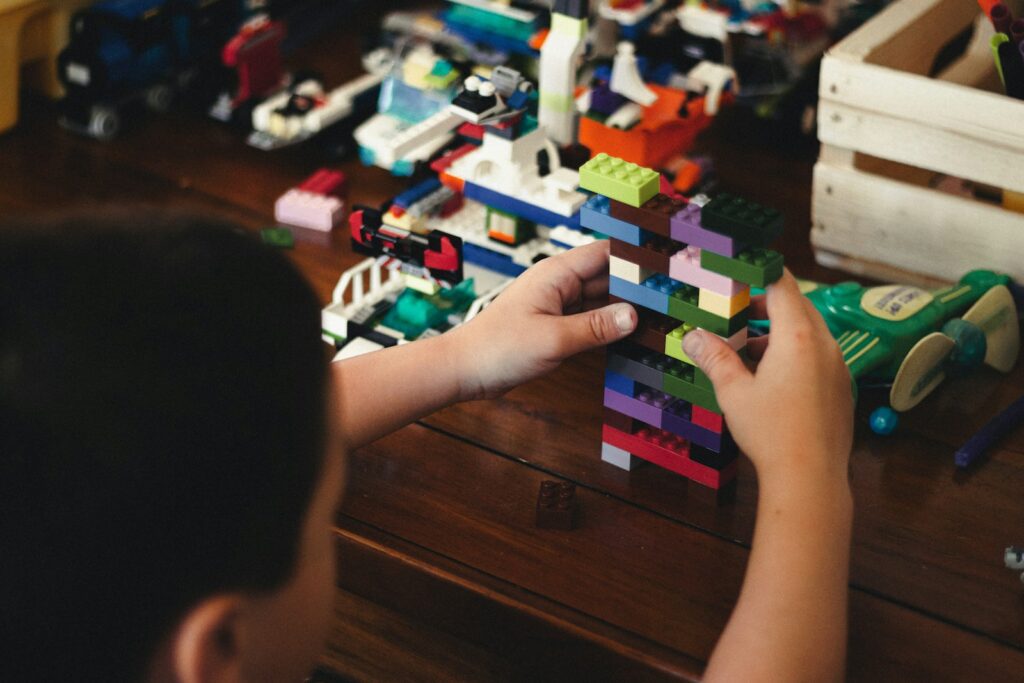
Why Your Five Year Old Tries to Control Everything
Young children often push for control to test limits, feel competent, and reduce uncertainty. That drive shows up in choices about play, who leads games, and insisting rules stay the same.
Developmental Milestones and Normal Autonomy-Seeking
At five, children make big gains in language, motor skills, and self-awareness. They can explain preferences, plan simple games, and insist on being “the leader” because they now understand roles and outcomes more clearly.
Wanting to decide who plays, what rules apply, and the order of activities reflects emerging autonomy. This is a typical milestone: experimenting with independence and learning social rules through trial and error. Adults can support this by offering controlled choices (two acceptable options) and clear, simple limits so the child practices decision-making without dominating others.
The Difference Between Impulsivity and Intentional Control
Impulsivity shows up as sudden grabs, shouting, or switching rules mid-play without thinking. Intentional control is calculated: the child negotiates, repeats rules, and pressures others to follow a specific plan.
Impulsivity links to immature self-regulation and can be brief. Intentional control often stems from a wish to keep predictability and power. Observing whether the child pauses before acting or plans tactics helps distinguish the two. That distinction guides responses: calm co-regulation and short delays for impulsivity, structured choices and consequences for planned controlling behavior.
Emotional Drivers: Anxiety, Insecurity, and the Need for Predictability
Control often masks underlying anxiety or insecurity. If a child feels uncertain about a relationship, a new sibling, or school changes, controlling play becomes a way to feel safe.
Predictable routines and explicit rules reduce that anxiety. Praise for flexible moments and small, consistent responsibilities—like letting the child pick a snack within limits—build confidence. When emotional needs are met, insisting on rigid play rules usually decreases and peer interactions improve.
For more on understanding controlling behavior and practical strategies, see guidance on recognizing and managing a child who exerts too much control during everyday routines (https://www.theyarethefuture.co.uk/dealing-with-controlling-child/).
How to Respond Without Damaging Sibling or Peer Relationships
Keep firm limits while showing understanding. Teach concrete skills—turn-taking, choosing one thing now and another later, and using calm words—so relationships aren’t undermined by constant control.
Setting Healthy Boundaries With Empathy
They should state clear, simple rules: “One person decides the game for 5 minutes, then we switch.” Use brief, neutral language so the boundary feels predictable, not personal. When the child protests, mirror the feeling first (“You’re upset because you wanted to pick”) and then restate the rule.
Offer a small, immediate alternative to reduce meltdown risk. For example, “You can pick the movie tonight or pick dessert,” rather than asking an open-ended question.
Keep consequences logical and short: timeout from a shared toy for two minutes or loss of first choice next turn. Follow through consistently.
Model calm enforcement so siblings learn the limit is about fairness, not favoritism.
Encouraging Cooperation and Sharing
Teach specific sharing routines: use a timer, create a visible “next turn” list, or assign roles (director, helper, cleaner) in pretend play. These concrete tools reduce arguments over abstract fairness.
Practice scripts for children to use when upset: “Can I have two minutes, then you?” Rehearse during calm moments so kids use them under stress.
Rotate privileges and let the controlling child earn short leadership through responsibility, like being “game leader” for one round. That gives agency without allowing constant rule-setting.
Praise siblings when they negotiate or wait. That shows the family values cooperative behavior and reduces resentment.
Positive Reinforcement and Praise for Flexible Behavior
Give immediate, specific praise for small wins: “You waited three minutes—great job sharing the truck.” Use short, sincere phrases repeatedly so the child links flexibility with attention.
Use a simple reward chart focused on effort and choices, not just outcomes. Two-star increments for trying a compromise encourages repeat behavior.
Balance praise between private and public. A quiet “I noticed how you took turns” guards against showboating but acknowledges progress.
Avoid bribing with big rewards; aim for natural consequences like extra playtime when siblings cooperate. This keeps praise tied to relationships, not manipulation.
Preparing for Challenging Situations Like Playtime and Bedtime
Plan transitions with warnings and choices: give a five-minute and a one-minute notice before changing activities. Offer two acceptable options at bedtime—read one book now or two tomorrow morning—to preserve control within limits.
Set up predictable routines: consistent bedtime order (bath, toothbrushing, book, lights out) reduces battles because the sequence becomes expected. Use a visual schedule at eye level for the child and siblings.
Role-play common conflicts before they occur, using toys to act out taking turns or switching games. Practicing defuses intensity during real disputes.
When a child pushes rules, prioritize safety and relationship repair: enforce the rule, then later coach apologies and make amends so sibling bonds stay intact.
More from Decluttering Mom: