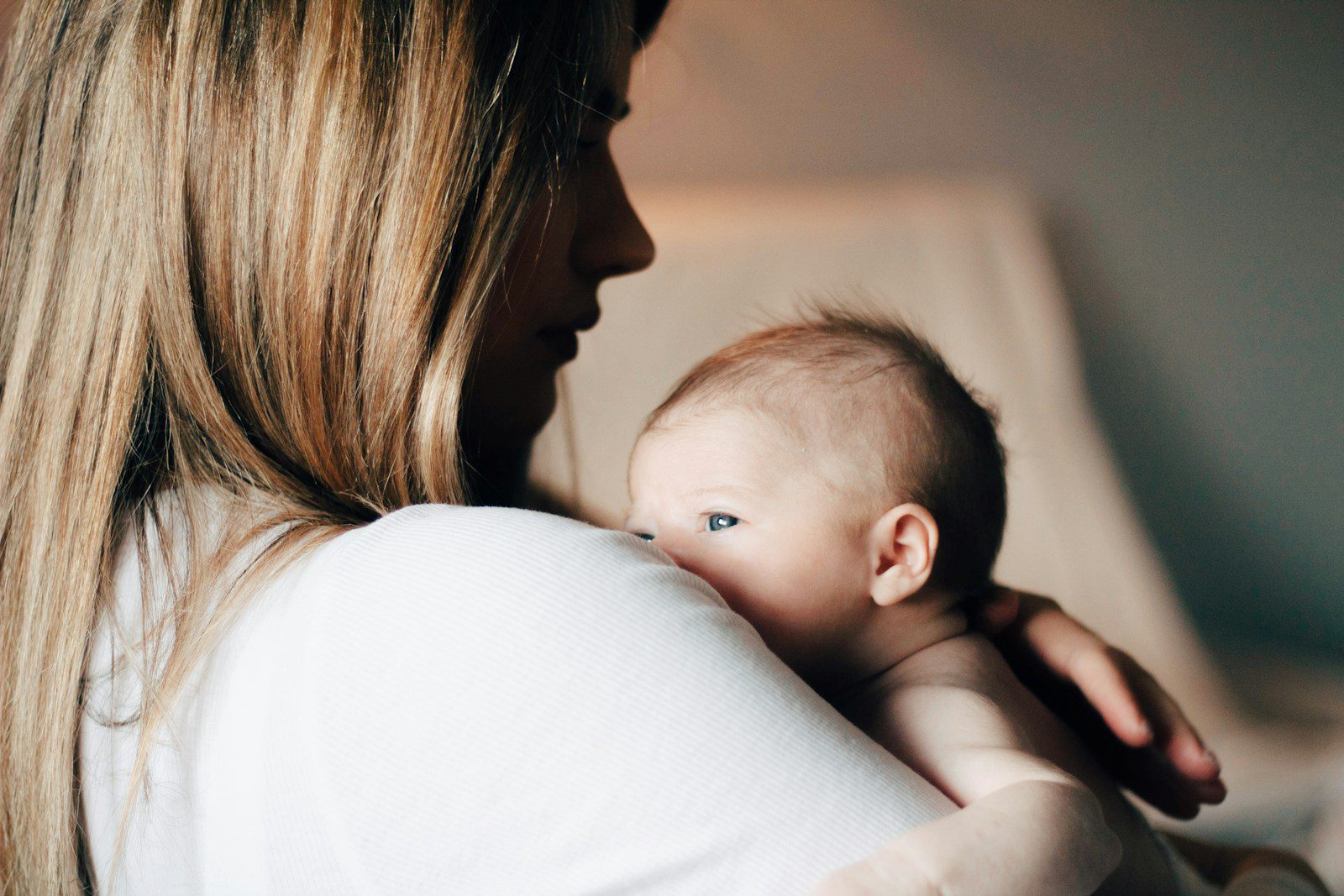
The knock at the door came with a cough. On the other side were brand‑new grandparents, sniffling, clutching tissues and gifts, eager to meet the baby they had been waiting months to hold. The parents, still running on adrenaline and two hours of sleep, made a call that has become a flashpoint in many modern families: they did not let them in.
That moment, which now plays out in living rooms and on group chats everywhere, is not about ingratitude or drama. It is about the fragile reality of a newborn’s health, the science of early immunity, and the right of new parents to draw a firm line when someone shows up sick, even if that someone is family.
Why “Just a Cold” Is Not Just a Cold for Newborns
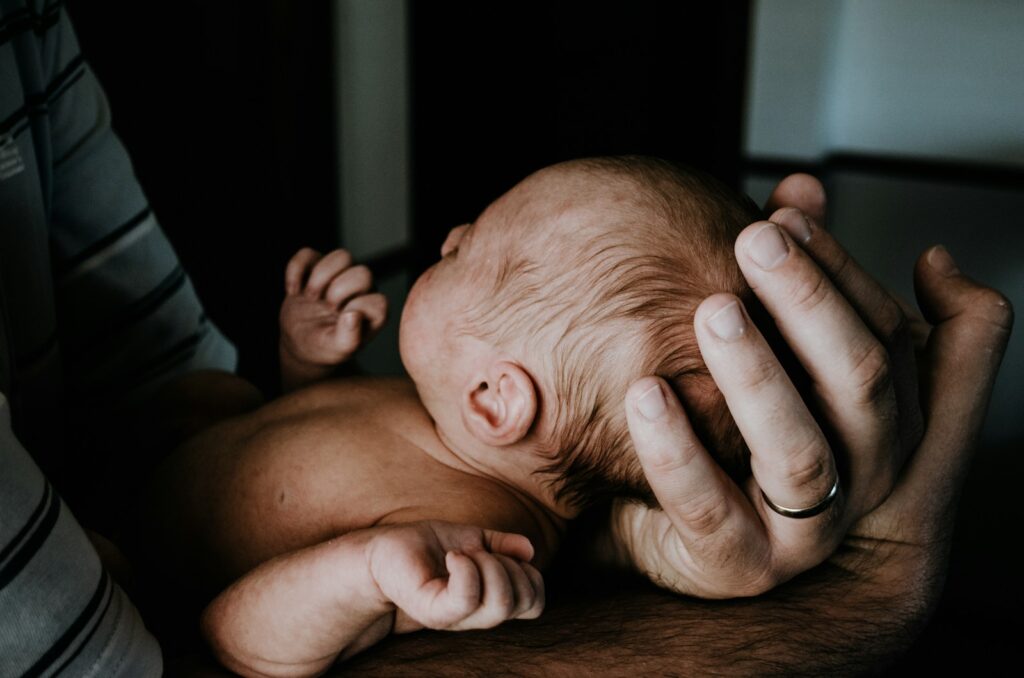
To relatives who have weathered decades of winter bugs, a mild cough can feel inconsequential. For a baby only days or weeks old, it is a very different calculation. At birth, the infant immune system is still developing, relying heavily on antibodies passed from the mother and then rapidly expanding as the child encounters the world. Research on the newborn’s immune system describes how this early protection is limited and in flux, which leaves young infants particularly vulnerable to infections that older children and adults shrug off.
That vulnerability is why pediatricians and neonatal specialists keep sounding the same alarm: newborns are at high risk of serious illness from common viruses and bacteria. One pediatrician, explaining why parents are right to be strict about contact, notes that babies in the first 12 weeks are especially susceptible to invasive infections, including Herpes Simplex from adult cold sores, which can be life threatening in this age group. She urges parents to tell visitors not to kiss the baby, to insist that anyone who holds the infant wash their hands, and to be clear that if someone is even slightly unwell, they should stay away. Her advice is blunt, but it reflects a consensus that newborn immune systems are simply not ready for casual exposure to every cough and sneeze in the family.
Setting Boundaries Before the Doorbell Rings
In the story of the parents who turned their in‑laws away, the conflict did not start at the doorstep. It began earlier, with unspoken expectations and a lack of clear ground rules. Health professionals who work with new families consistently recommend that parents decide on a visitor policy in advance and communicate it openly. Guidance for postpartum planning suggests that once parents have agreed on their rules, they should share them in a group message or email, spelling out who is welcome, when, and under what conditions. That kind of proactive note, which might say that anyone with a cough or recent illness should postpone their visit, helps relatives understand the stakes and gives parents a script to lean on when emotions run high, echoing the advice that once you’ve decided on your policy, you should not be the only one enforcing it in the moment.
Specialists in postpartum support go further, urging parents to define expectations around hygiene, health and activity before anyone steps into the nursery. They suggest simple, nonnegotiable rules: visitors wash their hands as soon as they arrive, they avoid kissing the baby, and they skip the visit entirely if they are sick or have been recently exposed to illness. These are framed not as personal judgments but as standard precautions for a household with a newborn. One doula and lactation consultant groups these under “Hygiene, health and activity” and lists “Wash your hands” as the first thing new visitors should do, underscoring that Hygiene is not optional when a baby is still building basic defenses.
When Family Feelings Collide With Medical Reality
Even with clear rules, the emotional fallout can be intense when grandparents or close relatives are told they cannot come in. For some, it feels like a rejection of their role or a sign that they are not trusted. Yet medical guidance is unambiguous that every newborn, regardless of whether they were born in a hospital or at home, deserves care that prioritizes safety. Pediatric policy statements stress that “Regardless of the circumstances of the birth,” including location, the standard of care should protect the infant from preventable risks. That principle applies just as much to visitor etiquette as to delivery decisions, reinforcing that Regardless of the setting, the baby’s health comes first.
Public health campaigns aimed at friends and extended family echo that message in plain language. They urge visitors to be conscious of germs, to wash their hands before touching the baby, and, crucially, not to visit at all if they are sick or have been recently exposed to illness, because newborns are still building up their immune system. These reminders, which boil down to “Wash your hands” and “stay home if you are unwell,” are not overprotective quirks but basic infection control. When relatives ignore those norms and arrive coughing anyway, parents who turn them away are aligning with the same guidance that tells loved ones to Wash and stay away if sick.
More from Decluttering Mom: