
Mar thought she had covered everything. Before leaving for a rare evening out in early March 2026, she walked her mother-in-law through the baby’s routine: when he last ate, how to soothe him, and the expressed milk in the fridge just in case. A few hours later she walked back through the door to the sound of her infant wailing. She moved to pick him up and nurse. Her mother-in-law refused to hand him over.
That single moment ended the babysitting arrangement for good. In a post on the parenting forum r/Mommit, Mar described the incident in detail, and the response was overwhelming. Hundreds of parents called it a serious safety breach. One commenter wrote that if her mother-in-law ever denied her access to hold or nurse her baby again, that babysitting “privilege” would be over. Many said they would have physically taken the child back on the spot.
The story struck a nerve because it captures a conflict that plays out in households everywhere: the line between a grandparent helping and a grandparent overriding. When that line involves a hungry, crying infant and a breastfeeding mother blocked from nursing, the stakes are not just emotional. They are medical.
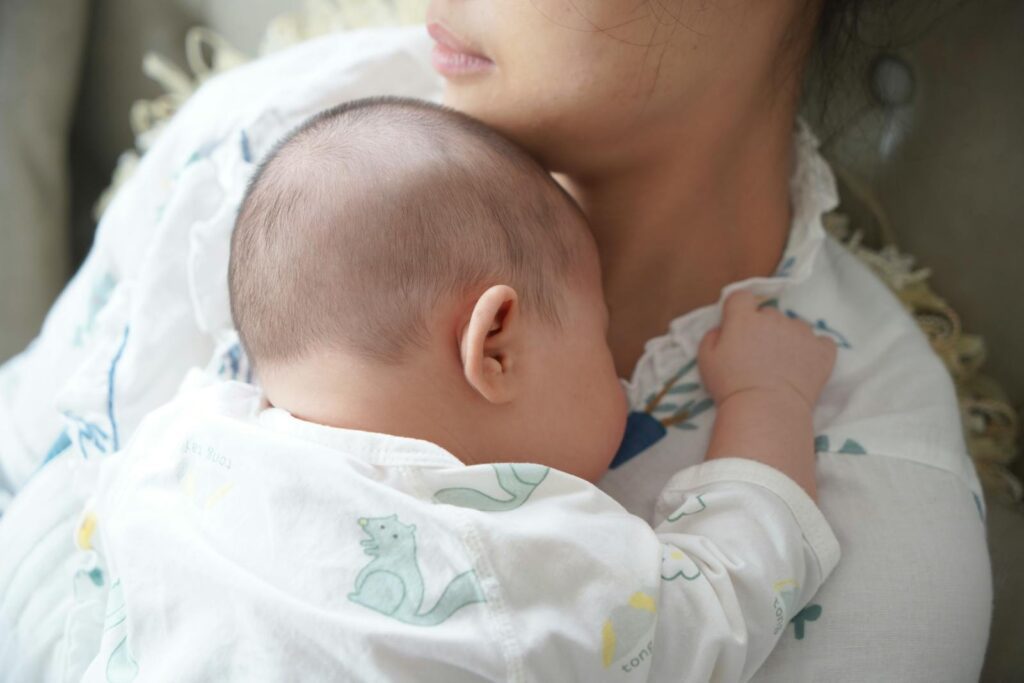
Why withholding a breastfed baby is a health issue
Breastfeeding works on a supply-and-demand cycle. The more frequently a baby nurses, the more milk the parent produces. When feeds are delayed or skipped, supply can drop, and the baby misses the caloric and immune benefits of responsive feeding. The World Health Organization recommends breastfeeding on demand, meaning whenever the infant shows signs of hunger, precisely because rigid schedules can undermine both nutrition and milk production.
For the baby, prolonged crying without comfort or food triggers a stress response. Research published in the journal Early Human Development has shown that extended distress in young infants elevates cortisol levels, which can interfere with sleep regulation and feeding patterns. A lactation consultant would flag what happened to Mar as a disruption to the nursing relationship itself: the baby learns that hunger cues will be answered, and when they are not, it can create feeding resistance or increased fussiness in the days that follow.
None of this means a grandmother who offers a bottle of expressed milk is doing harm. The issue is refusal to return a distressed infant to the one person equipped to nurse. That crosses from a difference of opinion into interference with a baby’s basic care.
The pattern: when “help” becomes control
Mar’s story is not an isolated incident. In online parenting communities, accounts of grandparents overstepping around newborns follow a recognizable arc. It often starts with generous offers: “Let me take the baby so you can sleep.” Over weeks, the offers become expectations. A grandmother insists on holding the baby for every nap, pushes for overnight stays with a weeks-old infant, or sets up a nursery at her own house without being asked.
In one widely discussed thread, a mother asked why her mother-in-law kept pushing for solo overnights with a baby only a few months old. Respondents pointed out that the grandmother seemed to believe the relationship with the child should be on her terms, and that the more she pushed, the more anxious the mother felt. Dozens of replies told her she did not need to feel guilty about protecting her infant, even if it hurt a grandparent’s feelings.
The UK’s National Childbirth Trust, one of the largest parenting charities in Britain, addresses this dynamic directly. Its guidance notes that grandparents may view a new baby as partly “theirs,” which can lead to taking over feeds, ignoring sleep routines, or dismissing new parents as overanxious. The NCT advises parents to set clear limits on visits and insist their rules are followed, even if that means a grandparent sees the child less often.
Breastfeeding as a specific flashpoint
Feeding choices sit at the center of many in-law conflicts because they are visible, frequent, and deeply personal. Some mothers describe relatives who push formula, stretch out feed intervals, or make pointed comments about nursing in shared spaces. In a discussion on the parenting platform Hatch Babe, mothers were reminded that “fed is best,” whether through nursing, pumped milk, formula, or a combination, and that the person actually feeding the baby is the one who gets to make those calls.
When criticism escalates to physical interference, as it did in Mar’s case, parents tend to respond with alarm. In another Reddit thread, a mother described her husband and in-laws physically keeping her baby away from her during a feed. One commenter advised her to put an arm out, say “no” or “stop” loudly, and make clear that maintaining supply and bonding with the baby were not negotiable. The bluntness of that advice reflected how high the stakes feel when a nursing parent is blocked from reaching a hungry child.
Pulling the plug on babysitting
For Mar and her partner, the decision was final: no more unsupervised time with the mother-in-law. That may sound extreme to people outside the situation, but parents who have lived through similar breaches often describe it as the only option that actually works.
In a thread on r/JUSTNOMIL, a support community for people dealing with difficult mothers-in-law, commenters emphasized that no grandparent has an automatic right to unsupervised access. One response put it plainly: if a partner would not tolerate that behavior from the other side of the family, they should not expect their spouse to accept it either. Several parents said they had moved to supervised-only visits after similar incidents and found it reduced conflict rather than increasing it.
The practical reality is that replacing free family childcare with a paid sitter costs money. But parents in these discussions consistently say the trade-off is worth it. As one commenter in a separate babysitting thread put it: continuing in a caregiving arrangement that feels unsafe only prolongs resentment. Better to pay someone you trust than to spend every date night wondering what is happening at home.
How to reset boundaries after a breach
Family therapists generally recommend that both parents present a united front when addressing a serious boundary violation. The conversation should be specific, not a vague request to “respect our wishes.” Parents who have navigated this successfully describe naming the exact behavior (“You refused to hand the baby back when he was crying and needed to nurse”), stating the consequence (“Babysitting is paused until we feel confident it won’t happen again”), and keeping the tone calm but firm.
The parenting platform Peanut advises approaching in-laws with empathy while still being direct, suggesting that parents explain what happened, how it affected them, and what will change going forward. That means no ambiguity: feeding decisions are not open for debate, the baby is returned to a parent on request, and visits may be supervised until trust is rebuilt.
A step-by-step guide on WikiHow outlines a similar framework: talk to the mother-in-law promptly, get on the same page with your partner first, script specific rules (no unapproved feeding changes, no denying access to the baby, no overnights before the parents are ready), and repeat those expectations calmly when they are tested. Boundaries are not a one-time speech. They require reinforcement, and sometimes they require consequences.
Mar’s story did not end with a dramatic confrontation. It ended with a quiet, permanent decision. The babysitting stopped. The couple found other arrangements. And a grandmother who refused to hand back a crying baby learned that access to a grandchild is not a right. It is earned, and it can be revoked.
More from Decluttering Mom: