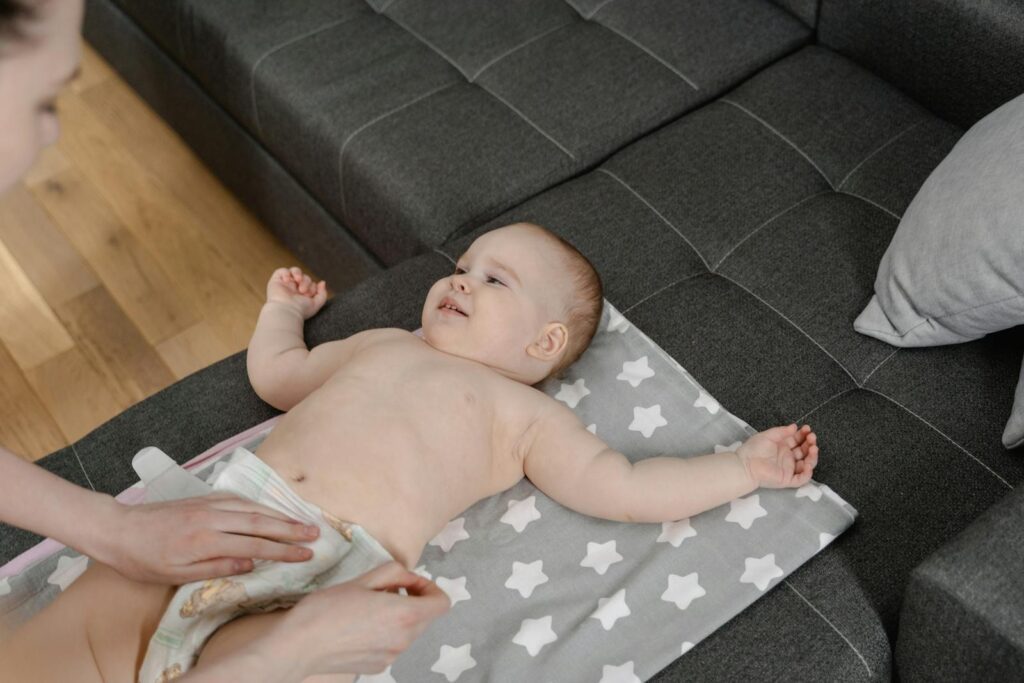
A newborn sleep cycle runs roughly 20 to 50 minutes, significantly shorter than an adult’s 90-minute cycle. The first portion is active (REM-like) sleep, during which babies twitch, grimace, and are easily roused. Deeper, more restorative quiet sleep comes in the second half of the cycle. When a baby wakes at the 20-minute mark, she has spent almost all of that time in the lightest phase and gained very little of the recovery that regulates mood, digestion, and stress hormones.
“A single short nap is not a crisis, but when every nap in a day is 20 minutes, the baby accumulates a sleep debt that shows up as irritability, feeding difficulty, and an inability to settle at night,” says Dr. Jodi Mindell, a pediatric sleep researcher at Children’s Hospital of Philadelphia and author of Sleeping Through the Night. Her research, published in the journal Sleep, found that fragmented daytime sleep in infants is strongly associated with more nighttime wakings and longer periods of crying.
Newborns also have not yet developed the ability to link one sleep cycle to the next without help. Any small disruption, a noise, a startle reflex, a shift in temperature, can pull them fully awake before the deeper phase begins. That is why swaddling, white noise, and a dark room are not luxuries but functional tools: they reduce the sensory interruptions that cut naps short.

The overtiredness trap: why exhausted babies fight sleep harder
Parents often assume that a tired-enough baby will eventually crash. The opposite tends to happen. When a newborn stays awake past her biological window, the body releases cortisol and norepinephrine, stress hormones that increase alertness and make it harder to fall asleep and stay asleep. The result is a baby who looks wired: wide eyes, flailing limbs, back arching, and crying that intensifies the more you try to soothe her.
Dr. Marc Weissbluth, a pediatrician and sleep researcher whose longitudinal work at Northwestern University followed hundreds of infants, describes this as a “second wind” that parents often misread as the baby not being tired. In his clinical guide Healthy Sleep Habits, Happy Child, he notes that the stress-hormone surge peaks in the late afternoon and early evening, which is exactly when most families report the worst screaming.
This creates a vicious loop. A short nap leads to overtiredness, which leads to another short nap, which deepens the overtiredness. By evening, the baby’s nervous system is so overstimulated that bedtime becomes a battle. Breaking the loop requires intervening earlier in the day, not waiting until the meltdown is already underway.
Catching tired cues before the window closes
The single most effective change many families can make is starting the nap routine sooner. Newborn wake windows are short, often shorter than parents expect. General guidelines from the AAP and pediatric sleep researchers suggest the following ranges, though individual babies vary:
- 0 to 6 weeks: 45 to 60 minutes of awake time (including feeding)
- 6 to 12 weeks: 60 to 90 minutes
- 3 to 4 months: 75 to 120 minutes
These windows include everything from the moment the baby’s eyes open: feeding, diaper changes, and any interaction. Many parents are surprised to learn that by the time a feed and a diaper change are done, the baby may already be halfway through her wake window.
Early tired cues are subtle. Watch for:
- A brief, glassy stare or “zoning out” mid-interaction
- Turning the head away from faces or toys
- Red eyebrows or reddening around the eyes
- Jerky, staccato arm and leg movements (distinct from happy kicking)
- A single yawn
Once a baby starts arching her back, rubbing her face frantically, or producing a sharp, escalating cry, she has likely passed the easy-settle window. At that point, calming her down enough to sleep may take 15 to 20 minutes of focused soothing, and the resulting nap is more likely to be another short one.
Tracking patterns for even two or three days, whether with a notebook or an app like Huckleberry, can reveal that a baby’s ideal nap start time is 10 to 15 minutes earlier than the family has been aiming for.
Setting up the nap environment for longer sleep cycles
Timing gets a baby to sleep. Environment keeps her there. The AAP’s safe sleep guidelines recommend a firm, flat surface with no loose bedding, but within those safety parameters, a few adjustments can meaningfully extend nap length:
- Darkness. Melatonin production is light-sensitive even in newborns. Blackout curtains or a portable shade over the bassinet can reduce the visual stimulation that triggers waking during light sleep.
- White noise. Continuous, low-pitched sound (around 50 to 65 decibels, roughly the volume of a quiet conversation) mimics the in-utero environment and masks household sounds. A 2012 study in the Archives of Disease in Childhood found that white noise helped newborns fall asleep faster and reduced the number of mid-nap wakings.
- Swaddling. For babies who have not yet started rolling, a snug swaddle suppresses the Moro (startle) reflex, one of the most common reasons a newborn jolts awake at the 20-minute mark. The AAP supports swaddling when done correctly and discontinued once the baby shows signs of rolling.
A short, repeatable pre-nap routine, even just 60 to 90 seconds of dimming the lights, turning on white noise, and swaddling, signals to the baby’s nervous system that sleep is coming. Consistency matters more than complexity.
Practical steps to break the short-nap, hysterical-night cycle
1. Shorten wake windows by 10 to 15 minutes. If your baby has been awake for 90 minutes and melting down, try starting the nap routine at the 75-minute mark. Watch the baby’s cues, not just the clock.
2. Offer a “rescue nap” when a catnap fails. If the baby wakes after 20 minutes and is clearly still tired, a contact nap (holding the baby skin-to-skin or in a carrier) or a stroller walk can help her link into a second sleep cycle. This is not creating a bad habit; it is teaching the body what a longer nap feels like. Over days and weeks, many babies begin extending naps independently.
3. Protect the late-afternoon nap. The nap between roughly 3:00 and 5:00 p.m. is the one that most directly affects evening behavior. If it is skipped or cut short, the baby enters the evening hours already in a cortisol surge. Even a 30-minute catnap in a carrier during this window can prevent the worst of the nighttime screaming.
4. Move bedtime earlier when the day has gone badly. If naps have been short all day, pushing bedtime back by 30 to 45 minutes can prevent the overtiredness spiral from peaking at the worst possible moment. Dr. Mindell’s research supports earlier bedtimes for young infants, noting that babies put down before they are overtired fall asleep faster and wake less often overnight.
5. Cap stimulation in the last wake window. Dim the lights, lower voices, and avoid screens or high-energy play in the hour before bed. The goal is to let the baby’s cortisol begin dropping naturally before the bedtime routine starts.
When to call the pediatrician instead of adjusting the schedule
Short naps and evening crying are common, but they are not always just a timing problem. Parents should contact their pediatrician if:
- The baby cries inconsolably for more than three hours a day, more than three days a week, for more than three weeks (the clinical threshold for colic).
- Crying is accompanied by frequent spitting up, back arching during feeds, or refusal to eat, which may suggest gastroesophageal reflux.
- The baby seems to be in pain rather than simply fussy: a high-pitched, sharp cry that sounds different from the usual protest.
- Weight gain has stalled or the baby is not producing enough wet diapers.
These signs do not necessarily mean something serious is wrong, but they warrant a professional evaluation rather than more schedule tweaking at home.
The bigger picture: this phase is temporary
Newborn sleep architecture changes rapidly. By around three to four months, most babies begin consolidating naps and developing more predictable patterns, a shift researchers call sleep maturation. The strategies above are designed to ease the worst of the short-nap cycle during the weeks before that maturation kicks in.
For families who have tried these adjustments and are still struggling, individualized support from a certified pediatric sleep consultant can help. Organizations like the National Sleep Foundation maintain directories of credentialed professionals, and many pediatric practices now offer sleep guidance as part of well-child visits.
Twenty-minute naps and hysterical evenings are not a verdict on your parenting. They are a signal that a small, developing nervous system needs a little more help winding down. Most of the time, that help is simpler than exhausted parents expect: a darker room, an earlier nap, and the confidence to trust what your baby is telling you before the screaming starts.
More from Decluttering Mom: