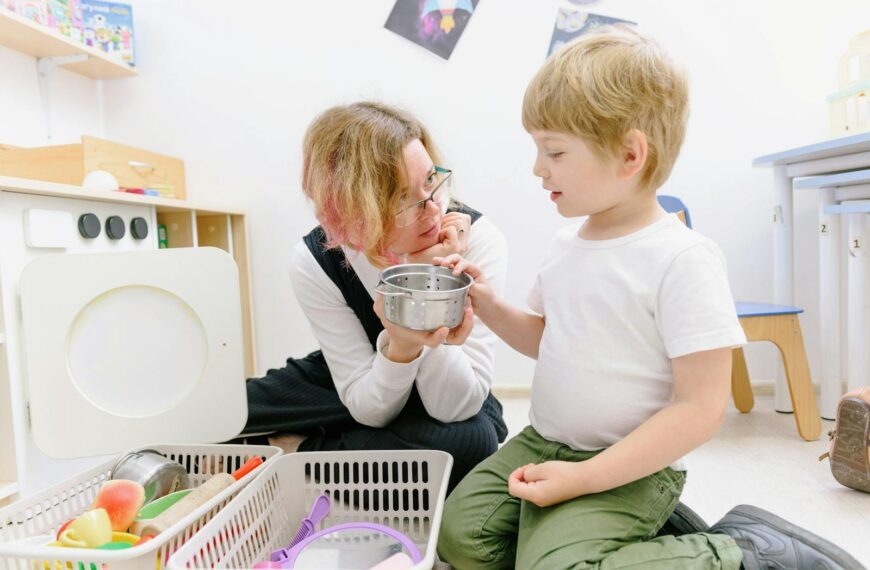
Parents of brand‑new four year olds often feel like they woke up with a different child. The once‑easy toddler suddenly argues about socks, snacks, and seatbelts, and every simple request seems to spark a debate. That shift can look like a tiny rebellion, but it usually signals a leap in development rather than a parenting disaster.
At this age, kids are testing power, language, and boundaries all at once, which is why the back talk can sound so sharp. The question is not whether a four year old is turning into a lifelong rebel, but how the adults around her respond to this new voice.

When “No” Becomes Her Favorite Word
Defiance around age four is so common that child behavior specialists describe it as a standard part of the preschool years. Parents who ask, “Why is my child acting so defiant?” are usually told that three and four year olds are learning how to separate from their caregivers, and that push for independence often shows up as refusal and arguing when adults set limits or interrupt play. One guide on early childhood behavior explains that kids in this age group are flooded with big feelings, still have limited impulse control, and often lack the words to explain their frustration, which creates a perfect storm that often results in defiance, especially when they are tired or overstimulated, and this pattern is described in detail in advice aimed directly at why a child.
Parent educators like Jan, who hears from families all over the world, describe four as a kind of new planet. In one detailed account, she responds to a mother who says her daughter changed almost overnight, and she starts her reply with a simple “Okay,” before explaining that this dramatic shift is actually a sign of growth. Jan points out that a four year old is suddenly able to think in a more advanced way, which means she sees herself as separate from her parents and feels a stronger urge to protect her own ideas and preferences, a change that naturally leads to more resistance and testing. That framing turns the daily “no” from a moral failing into evidence that the child is developing a more solid sense of self, a theme that runs through Jan’s description of how age four can feel like another planet.
Normal Pushback or Something More?
Once a child starts talking back, plenty of parents jump straight to worry about serious behavior disorders. There is a real condition called oppositional defiant disorder, often shortened to ODD, that is defined by a frequent and persistent pattern of angry, irritable mood and argumentative, vindictive behavior toward authority figures. Medical overviews explain that there is no single clear cause of this disorder, and that a mix of genetic tendencies and environmental factors may contribute to developing ODD, but they also stress that everyday preschool defiance does not automatically equal a diagnosis, a distinction laid out in summaries of oppositional defiant disorder.
Clinicians who work with defiant children describe yelling, screaming, and fighting with siblings as common preschool behaviors, and they emphasize that the first job for professionals is to sort out what is typical from what might signal a deeper problem that needs treatment. That sorting process involves looking at how often the behavior happens, how long it has been going on, and whether it shows up across settings with parents, teachers, and medical professionals, a step that one expert, Sukhodolsky, describes as “Our first job” when evaluating defiant children. For most four year olds who argue about bedtime and shout “You are not the boss of me,” the behavior is intense but short lived, and it gradually eases as language, emotional regulation, and consistent boundaries settle in.
Talking Back, Tiny Voice
Back talk can feel like a personal attack, but for a four year old it is often a clumsy attempt to grab a little control. Parenting advice aimed at preschoolers describes back talking as a normal part of development that tends to flare when kids are tired, hungry, or adjusting to a new routine, and it notes that children this age are experimenting with language and trying on the phrases they hear around them. One widely shared guide explains that a child who talks back may be trying to express frustration, stall for time, or gain more control over her life, and that adults can respond more calmly when they understand these motives, a point that appears in guidance on why kids talk.
Jan returns to this theme when she describes how four year olds use new forms of resistance and testing as their autonomy grows. In her view, the child is not trying to overthrow the household, she is trying to figure out where she ends and the adults begin, and she uses every tool she has, from sarcasm to dramatic refusals, to run that experiment. Jan frames this as a “wonderful stage” for children to develop more autonomy and a stronger sense of self as separate from their parents, even though it can be exhausting for caregivers who are on the receiving end of the pushback, a perspective she lays out when she writes that this mother is noticing new forms of resistance.
More from Decluttering Mom: