You watched him arrive from school shaken after being hit, yet the thing that pushed him over the edge was a dead ladybug. You want to know whether your response helps him make sense of two very different hurts at once — physical and emotional — and how to comfort him without sending confusing signals.
You can help him process both events by staying calm, naming what happened, and following his cues so he feels heard and safe. This piece shows practical ways to respond that respect his experience, whether the trigger seems small or large.
Expect clear steps on recognizing when a reaction needs more support, ways to talk about mixed feelings at home, and simple routines that rebuild safety and confidence.
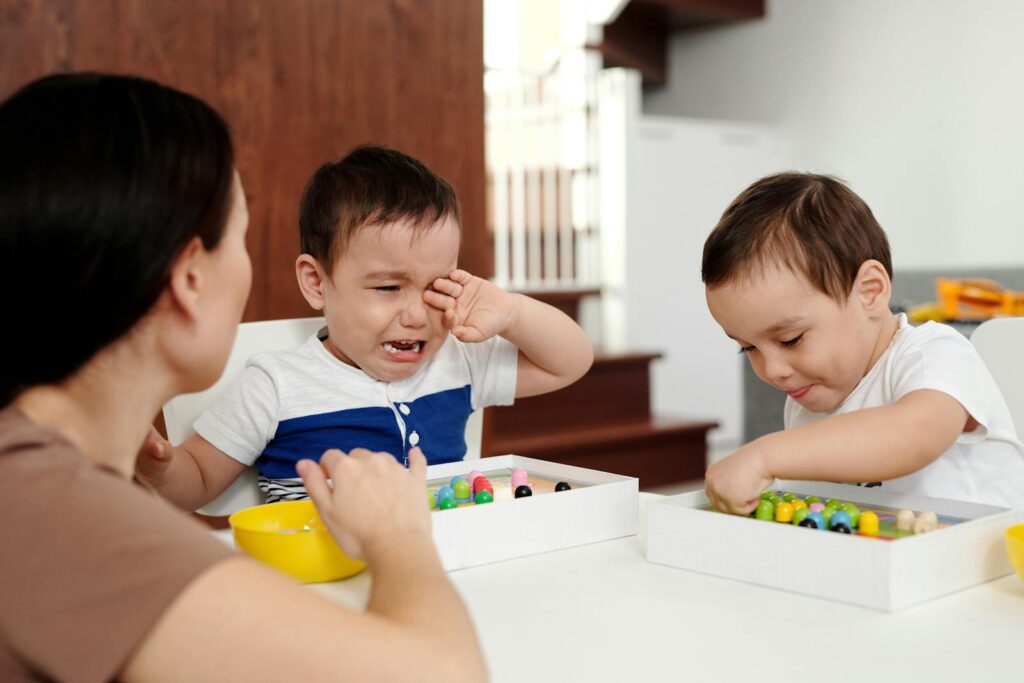
When a Preschooler’s Big Feelings Don’t Add Up
A preschooler can react to small events with outsized emotion, or show little feeling after something that would upset an adult. Understanding why helps caregivers respond with the right balance of comfort, boundaries, and attention.
Why Minor Events Can Trigger Intense Reactions
Young children have limited emotional vocabulary and fewer coping tools, so a tiny loss or surprise can feel overwhelming. For a preschooler, a dead ladybug may symbolize loss, helplessness, or a sudden confrontation with mortality; those ideas can trigger crying, clinging, or stomachaches disproportionate to the physical event.
Context multiplies reactions. A child who was hit at school that morning may bring layered feelings—fear, shame, and anger—into an unrelated moment at home. Physical cues like trembling, refusal to play, or sudden regression (wetting the bed, needing a bottle) show intensity even when the triggering event seems minor.
How Kids Process Traumatic Events Differently Than Adults
Children don’t organize memories the way adults do; they encode feelings more than facts. After a traumatic event, like being hit, a preschooler may replay sensory fragments—loud voices, a shove, a scraped knee—without understanding cause or time. That fragmented recall makes unrelated events act as emotional triggers.
They rely on co-regulation from adults to label feelings and restore calm. Adults who validate emotions, name sensations, and offer concrete safety—“You were scared when Ben pushed you. I’m here and you’re safe”—help rebuild the child’s internal sense of safety. Repeated traumatic stress without supportive responses can worsen reactions and create ongoing hypervigilance.
Spotting Signs of Trauma and Emotional Distress
Look for changes in sleep, appetite, play, and social behavior that last more than a few weeks. Red flags include night terrors, new aggression toward peers, withdrawal from previously enjoyed activities, or persistent physical complaints like headaches and stomachaches with no medical cause.
Behavioral signals can be subtle: increased clinginess at drop-off, difficulty separating, or compulsive reenactment of the incident during play. Use a simple checklist to track patterns:
- New or intensified fears
- Regressive behaviors (bedwetting, baby talk)
- Repeated, intrusive play themes related to the event
- Excessive irritability or startle response
If several signs persist, caregivers should consult a pediatrician or child mental health specialist for assessment of traumatic stress.
Emotional Responses Beyond the Obvious Incident
A child’s response often reflects cumulative stress, not just the single event. They may express grief over a dead insect while their primary emotion is unresolved anger about being hit, or shame about getting in trouble for reacting. Those layered emotions can look contradictory: laughter one moment, uncontrollable sobbing the next.
Caregivers should separate the observable trigger from the underlying need. Ask short, concrete questions: “What happened at school?” or “Do you want a hug or some quiet time?” Offer targeted tools—deep breathing counted on fingers, a small comfort object, or a two-minute guided squeeze—to help the child name and move through the feeling without forcing an explanation.
Bold, consistent routines and clear statements of safety—“In this house we keep hands gentle”—help rebuild predictability. When reactions don’t fit the incident, adults should track patterns and seek guidance rather than assume the child is being dramatic.
Supporting Your Child’s Emotional Recovery
Brief, steady attention, clear reassurance, and predictable routines help a preschooler name and manage big feelings after upsetting events. Caregivers can use simple tools—breathing games, short conversations, consistent bedtime—and watch for changes that suggest more help is needed.
Practical Strategies for Helping Young Children Cope
Offer immediate comfort: hold the child if they want it, lower your voice, and use short, concrete statements like “You’re safe now.”
Limit exposure to upsetting images or adult conversations. Turn off TV news and avoid graphic details about the incident at school.
Use play to process the event. Provide puppets, toy figures, or drawing materials and follow the child’s lead while they re-tell or re-enact what happened. Keep play sessions short and gentle.
Teach one or two calming tools: slow belly breathing (count to three in, three out), squeezing a small ball, or a five-minute “cozy corner” with a stuffed animal. Practice these when the child is calm so they can use them when upset.
Set clear, immediate expectations for behavior but lower academic or chore demands for a short time. Praise small steps—“You asked for help”—to reinforce coping. Track sleep, appetite, and clinginess; persistent change after several weeks warrants attention.
Building Emotional Language and Validation
Name feelings directly and simply. Use phrases like “You seem sad” or “That looked scary,” rather than asking open-ended questions a preschooler can’t parse. This helps build emotional vocabulary and reduces frustration.
Mirror and validate without fixing. If the child says, “The ladybug died and I’m crying,” respond, “You’re crying because that made you sad. That makes sense.” Avoid minimizing (“It’s nothing”) or overwhelming explanations.
Model labeling your own feelings briefly: “I felt worried when I heard that, and I took deep breaths.” This teaches regulation by example.
Read short picture books about loss or big feelings and pause to map emotions in the illustrations. Keep sessions brief—one or two pages at a time—to match attention span.
Restoring Routine and a Sense of Safety
Re-establish simple, predictable routines immediately: consistent wake-up, snack, play, and bedtime. Routines signal that daily life is stable even if one event felt chaotic.
Create a “safety plan” the child can understand: identify two trusted adults, a safe place at school, and a short phrase the child can say when scared (e.g., “Help me, please”). Practice the phrase once or twice.
Use environmental cues to reduce anxiety: night light if afraid of dark, a familiar blanket, or a special “calm box” with one toy, a soft cloth, and a drawing. Keep school communication open—ask teachers what happened, what steps the school took, and what supports they offer.
If sleep problems or school refusal persist beyond a few weeks, increase support steps (teacher meeting, pediatric check-in).
When and How to Seek Professional Help
Seek immediate help if the child experiences re-experiencing symptoms (intense flashbacks), severe withdrawal, new aggressive behaviors, or statements that raise concern about self-harm. Although rare in preschoolers, expressions like “I want to go away” or persistent talk about hurting themselves require prompt evaluation.
Start with the child’s pediatrician for medical and developmental screening. Ask for a referral to a child psychologist or licensed therapist experienced in early childhood trauma recovery and play therapy.
If symptoms include nightmare-driven terror, persistent hypervigilance, or regression lasting more than a month, request trauma-focused assessment for possible post-traumatic stress disorder. Provide the clinician with specific examples (dates, behaviors, sleep changes) and school incident notes.
For any suicidal thoughts or imminent risk, call emergency services or a local crisis line immediately and keep the child supervised until professionals assume care.
More from Decluttering Mom: