You jump when your phone buzzes with a morning text about a school performance, because you remember the week he missed with pneumonia and the nights he coughed until he finally slept. You watch him insist he needs something red, insistence that clashes with your practical sense, and you worry about what he’ll do if family can’t make it.
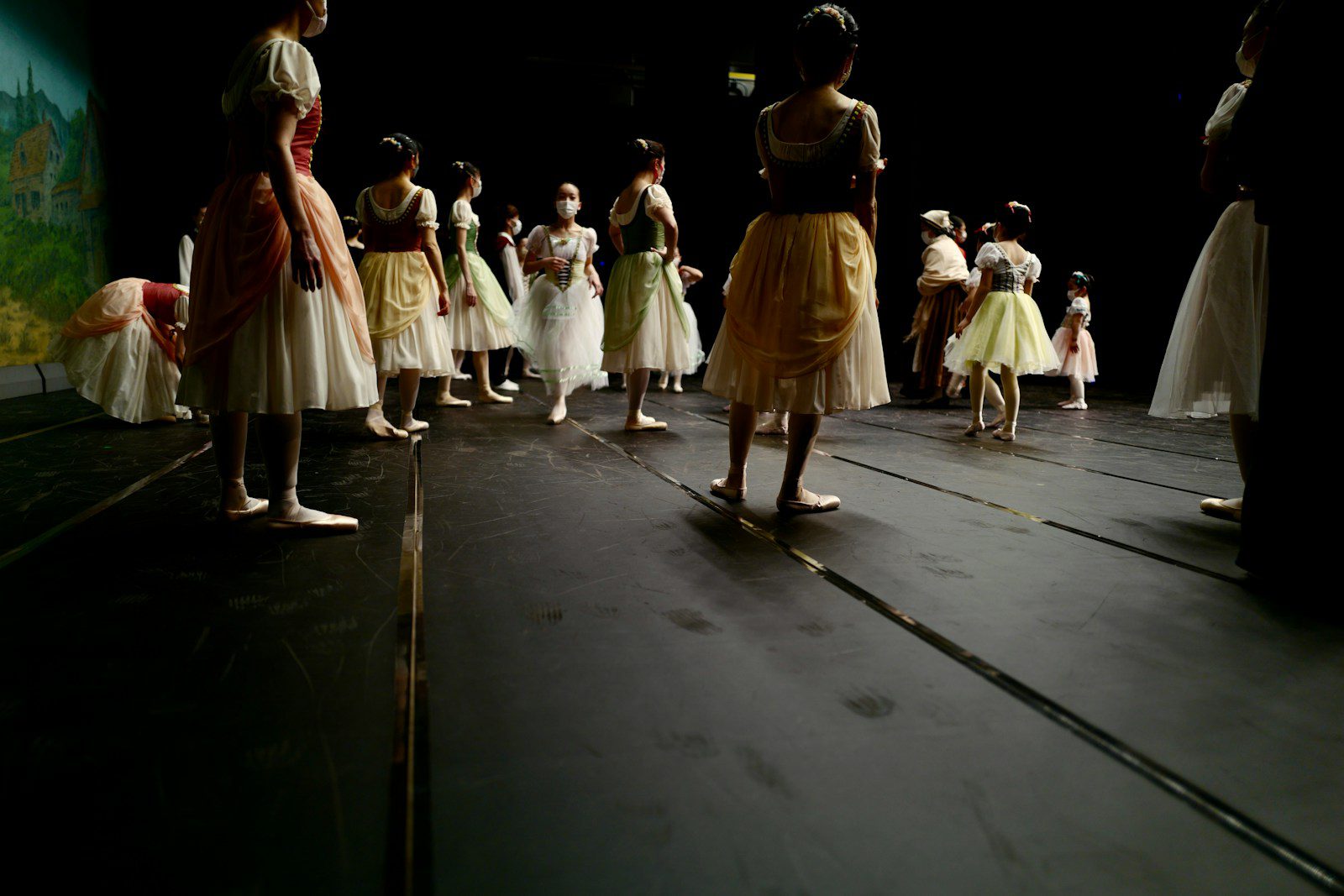
He danced front and center alone, wearing the red he demanded, and that moment showed you why his needs sometimes matter more than your plans.
Now you’ll follow how the family handled missed school, recovery expectations, and the small emergency that became a lesson about trusting a child’s voice.
Missing School for Pneumonia: Our Story and What to Expect
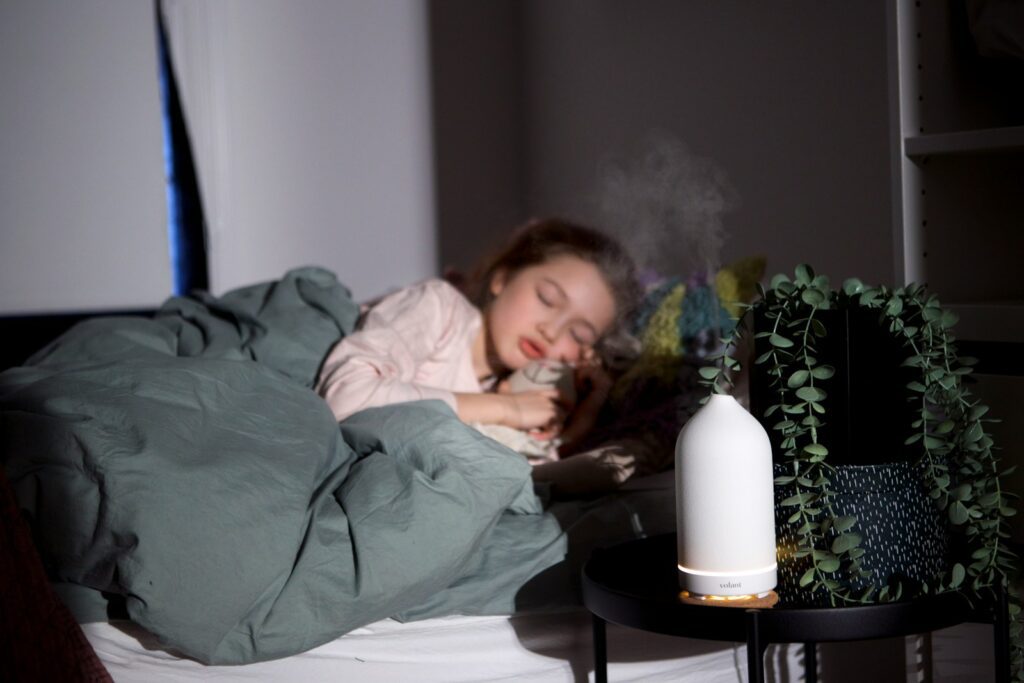
Their week of missed school began with a cough that worsened overnight and a fever that would not break. After a pediatrician visit and a chest exam, they learned how to spot serious signs, manage recovery at home, and plan a safe return to class and activities.
Recognizing the Signs: When a Cough Is More Than a Cold
A simple cough that lasts more than a week, comes with a persistent fever, or causes shortness of breath merits prompt evaluation. Parents should watch for rapid breathing, chest retractions (the skin pulling in around the ribs), bluish lips, or unusually low energy—these point away from a routine viral cold and toward pediatric pneumonia or another respiratory infection.
Viral pneumonia often starts like a cold but worsens: fever, deep cough, and fatigue that won’t improve. Bacterial pneumonia can follow and usually brings higher fever and localized chest pain. “Walking pneumonia” may feel milder but still reduces stamina and concentration at school. If the child has asthma, any change in wheeze or response to inhalers needs immediate attention from their pediatrician.
How Pneumonia Impacts Children’s Daily Life and Recovery Plans
Pneumonia drains energy, so schoolwork and social routines become difficult quickly. A child may sleep more, skip meals, and avoid physical play. Caregivers should expect reduced concentration, missed assignments, and slower processing during classes for several weeks after acute symptoms subside.
Treatment differs by cause: viral cases often get supportive care—rest, fluids, fever control—while bacterial pneumonia requires antibiotics prescribed by a pediatrician. Monitor fever and cough, follow medication schedules, and use inhalers or nebulizers if asthma flares. Keep a simple log of temperatures and symptoms to share at follow-up visits. Encourage short, scheduled activity breaks and avoid crowded places until fever-free for 24 hours.
Returning to School and Activities After Pneumonia
Plan the return around the child’s stamina, not just the calendar. Most schools expect a child to be fever-free for at least 24 hours without fever-reducing medicine before coming back, and some recommend a longer gradual ramp-up for physical education or performances. Communicate with teachers and provide a brief note from the pediatrician if needed.
Suggest a phased plan: half days or sitting out intense activities for 1–2 weeks, extra time for tests, and a quiet place for rest if symptoms recur. Watch for lingering cough or breathlessness during play and re-check with the pediatrician if symptoms worsen. For reference on helping kids reconnect with school after illness, see guidance on returning after long absences from reputable child-health organizations.
Navigating the Performance Day and Red Item Dilemma
He woke up that morning still tired from a week with pneumonia. He said he needed something red for the show; the parent dismissed it, thinking he meant a costume accent, not realizing it mattered to him in a different way.
The Red Costume Moment: Listening and Communicating With Your Child
When a child asks for a specific item before a performance, ask one clear question: what does that red item mean to you? Short, direct questions work best when the child is recovering from illness and may be low on energy or clarity. If he reports symptoms like chest pain, wheezing, persistent coughing, or trouble breathing, stop and seek immediate medical attention rather than focusing on clothing.
Use simple tools to clarify needs: offer two choices (red ribbon or red shirt), or ask him to show a quick gesture. If he seems vague but insists, treat the request as potentially important — illness can change how kids perceive comfort, safety, or ritual. A calm, brief exchange reduces confusion and helps the child feel heard without derailing logistics.
Parental Guilt and What We Learn From Missing Milestones
Parents often replay the moment when they didn’t act on a small request, but guilt isn’t helpful. He missed a week for pneumonia; the parent prioritized recovery, which was appropriate. Still, when an ask appears emotionally charged, pausing to validate the child’s feeling can prevent regret.
Practical steps ease guilt: acknowledge the mistake out loud, apologize simply (“I should have listened”), and offer an immediate fix if possible (a red ribbon he can pin on next time). If symptoms like vomiting, diarrhea, low oxygen readings on a pulse oximeter, or abnormal blood tests prompted absenteeism, keep communication with teachers and event staff documented so expectations match health needs. That creates a record and reduces second-guessing later.
Supporting Kids With Health Setbacks During Big Events
Plan a short checklist for event days after illness: 1) Quick symptom screen (fever, coughing, wheeze, trouble breathing, chest pain). 2) Pulse oximeter reading if recommended by the clinician. 3) Pack medications and an action plan. Share this with the teacher or director so staff know when to step in.
If he becomes panicked or insists on an object (like the red item) as part of coping, allow a safe workaround — a red ribbon, token, or marker on his costume. For serious signs — severe chest pain, significant wheezing, repeated vomiting, or breathing trouble — remove him from activity and call the clinician or emergency services. Small accommodations often let kids participate without risking recovery, and clear protocols keep everyone focused on safety and the performance itself.
Relevant guidance on chronic-absence and communication with schools appears at Attendance Works, which offers practical messaging strategies for families and schools: Attendance messaging for families and communities (https://www.attendanceworks.org/resources/messaging/).
More from Decluttering Mom: