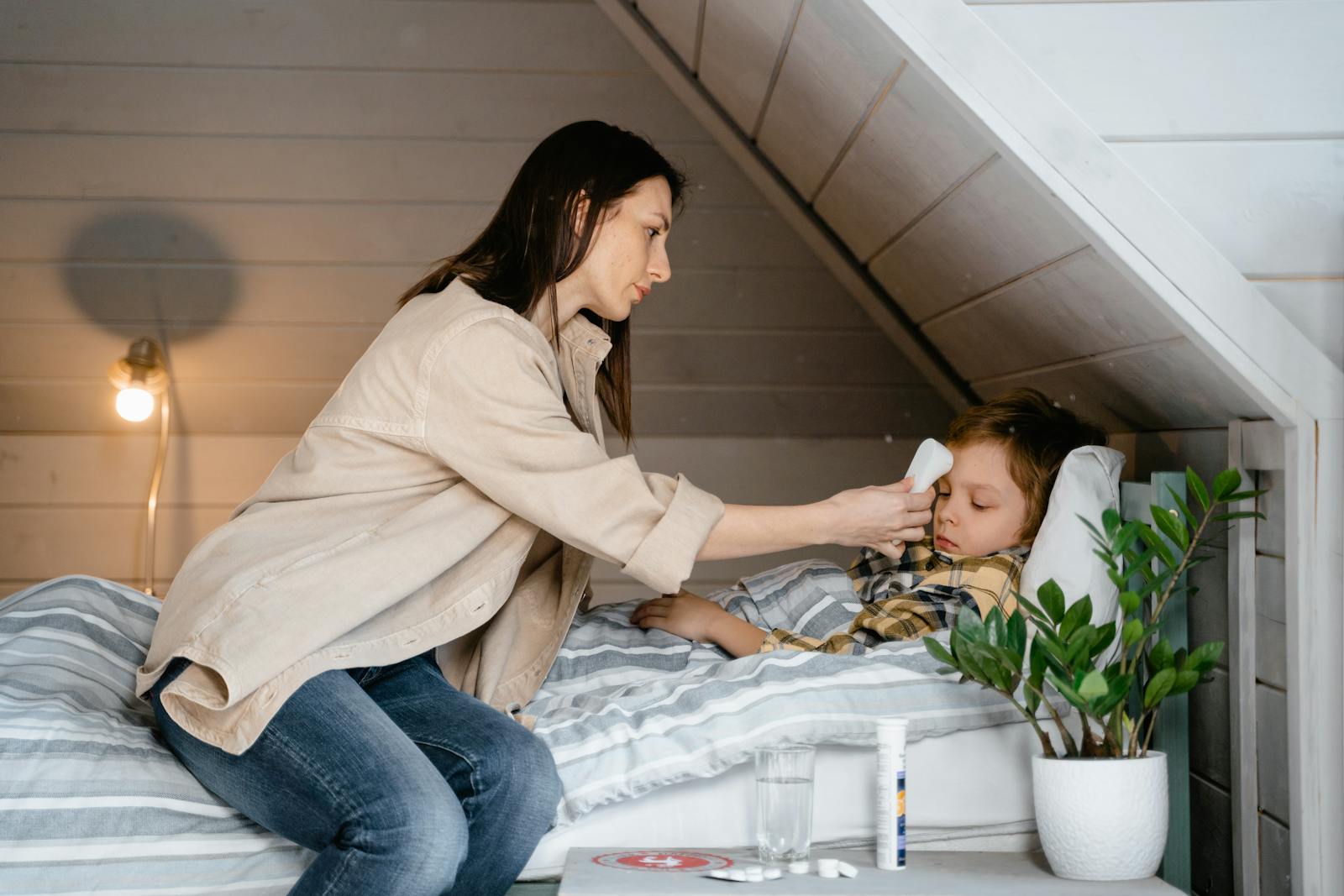
The night starts with a kid saying his stomach hurts and ends with a full spray of vomit from the top bunk, soaking the brother underneath and every soft surface in range. By morning, the cleanup is only half done and the younger child is swearing off the bottom bunk like it is a haunted house. Parents are left juggling stain removal, sleep disruption, and a sibling who now treats the top bunk as a ticking time bomb.
Scenes like this are disgusting, sure, but they are also textbook parenting moments where practical logistics and kid psychology collide. The mess on the mattresses can be handled with the right tools and a methodical plan, and the fear of sleeping under a sibling again can be softened with patience and a few smart room-sharing tweaks.
The Night Puke Fallout: Mattresses, Sheets, And Everything Below
Once the top bunk kid loses it, gravity does the rest, and suddenly two mattresses, sheets, pillows, and maybe a favorite stuffed animal are in the splash zone. Parents who already feel behind on laundry can freeze, but the fastest way out is to triage the worst surfaces first. Guides that walk through how to clean vomit from a mattress stress the same basic order: strip the bed, blot up as much as possible without rubbing, then treat the mattress itself before the liquid seeps deep into the foam or coils. That early blotting step matters, because once the acid and pigment sink in, lingering stains and smells become a long-term problem instead of a one-night crisis.
Parents who have done this before often keep a small “puke kit” on hand so they are not hunting for supplies at 2 a.m. A practical list of what you need includes gloves, paper towels or old rags, baking soda, white vinegar, mild dish soap, and an enzyme-based stain remover, a lineup that one how-to guide simply labels as “What You Need,” with each item like Gloves, Paper, and Baking ready to go in a bin or caddy. Those products work together to neutralize the acid, break down proteins, and pull moisture out of the mattress instead of letting it sit in the padding. The less scrubbing a parent does in those first minutes, and the more they rely on blotting and absorbent powders, the better the mattress will look and smell the next day.
From Disaster Zone To Sleepable Bunk Again
After the sheets and comforters are off the beds, families face the reality that vomit does not respect fabric boundaries. It hits the mattress, the guard rail, the ladder, and then drips, which is how the brother on the bottom bunk ends up covered. For the mattresses themselves, step-by-step instructions usually start with cold-water spot cleaning, then a mix of mild detergent and water, followed by a generous coating of baking soda that has to sit for hours before vacuuming. One detailed guide even credits Mary, a product content marketer with a journalism background, for walking parents through how to handle a mess like this in a way that keeps the mattress usable and the process manageable, from the first How and Clean Vomit From instructions to the final step of airing everything out.
Parents who want extra reassurance often layer in more targeted cleaning products once the worst is blotted up. One approach suggests using a gentle dish soap solution on the stain, then following with an enzyme cleaner and a thick layer of baking soda that stays on until it dries completely, which matches advice on how to restore and refresh the surface before vacuuming the dried baking residue. Another set of instructions points out that while sheets and mattress protectors can go straight into the washer, vomit stains on mattresses are trickier, so learning how to clean vomit from both sheets and the mattress itself requires different tactics for each layer. For parents dealing with a high-end or memory foam bed, another resource spells out how to clean vomit out a mattress by focusing on spot treatment, air circulation, and checking labels before laundering any removable covers, which keeps an expensive purchase from being ruined by one rough night.
Helping The Bottom Bunk Kid Feel Safe Again
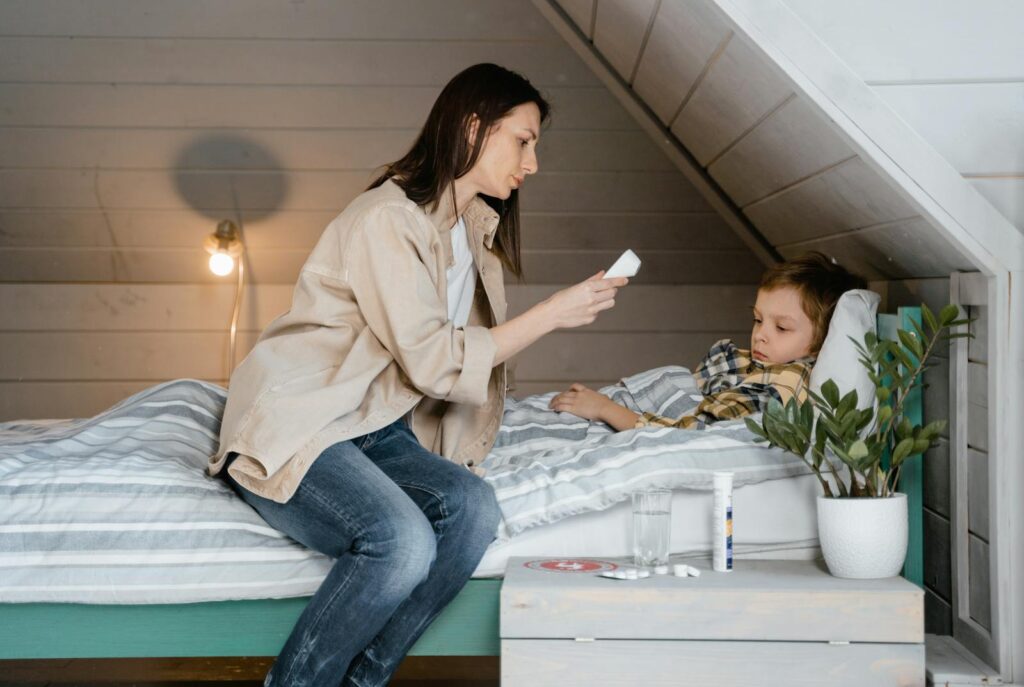
Once the sheets are spinning in the washer and the baking soda is doing its quiet work, parents are left with a different kind of mess: a younger sibling who just got rained on and now refuses to sleep under his brother again. The fear is not irrational, because his last memory of that spot involves a stomach bug and zero warning. Some parents temporarily move the kids to separate spaces or swap bunks, but not every home has a spare bed or extra room. Practical parenting advice often suggests short-term tweaks like letting the younger child sleep on a floor mattress or in a sleeping bag near a parent’s room for a night or two, then gradually reintroducing the shared room. One guide aimed at surviving On Puke Night even recommends keeping thick towels and extra linens stacked nearby so that when the next wave hits, the cleanup is faster and the child can see that adults have a plan.
More from Decluttering Mom: