A preschooler coming home a little clingier than usual is one thing. Hearing that a teacher allegedly grabbed him and refused him food and water is something else entirely, and it is exactly the type of allegation that leaves a parent staring at the classroom door wondering if it is safe to send a child back. When another teacher quietly confirms those fears, the situation stops feeling like a misunderstanding and starts looking like possible abuse.
In Ohio, that kind of scenario is not just a family crisis; it is a legal and child protection issue with clear rules, hotlines and complaint systems attached. The fear is real, but so are the tools that exist to investigate what happened, protect the child, and hold adults accountable if they crossed the line.
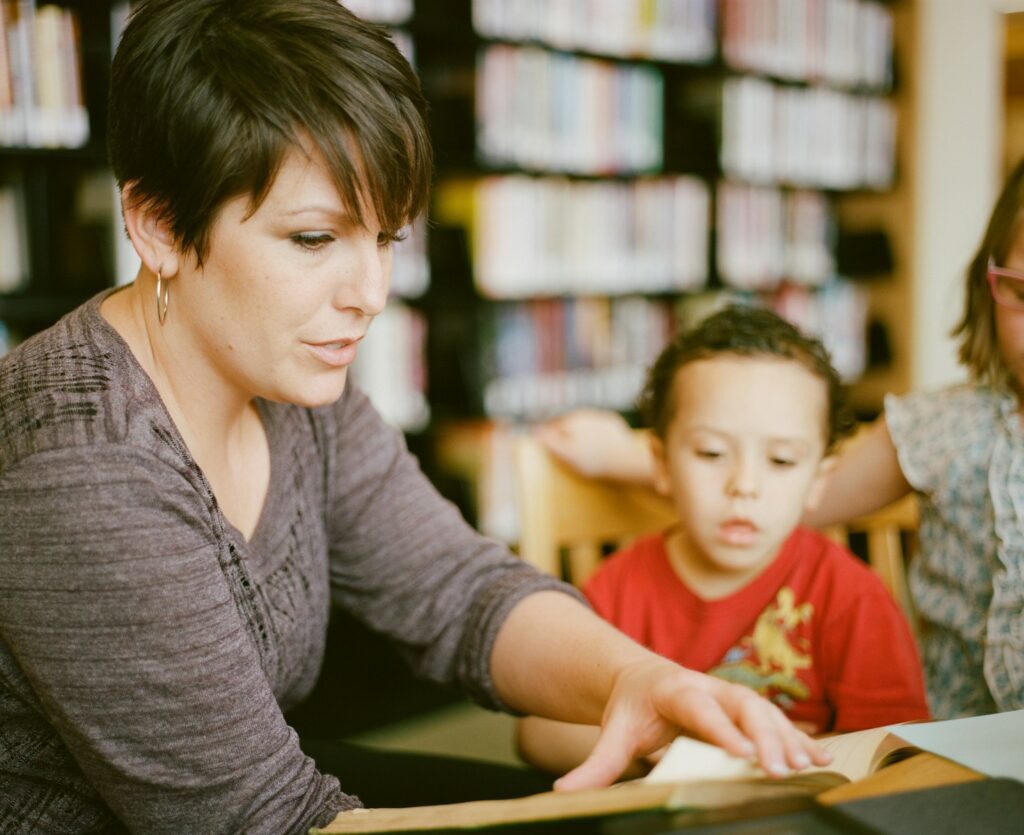
When Preschool Discipline Crosses Into Abuse
Grabbing a young child or withholding basic needs is not a gray area. State guidance on Child Safety Concerns explains that child abuse and neglect covers situations where a child is hurt or mistreated by caregivers, which includes early education staff. Physical force that leaves marks, pain or fear can fall under abuse, and refusing food or water as punishment can edge into neglect because it withholds basic care. When a preschooler is too young to fully explain, a report from another educator that a colleague grabbed the child and blocked access to snacks or drinks deserves to be treated as a serious safety concern, not brushed aside as classroom “tough love.”
Ohio parents are not expected to decide alone whether a line was crossed. The Ohio Department of Children and Youth explains that anyone who suspects mistreatment can contact child services and Report Child Abuse, and that can include concerns about a preschool or daycare setting. Reports can be made without giving a name, which matters when a whistleblower teacher is worried about retaliation or a parent fears backlash from the school. The key is that once the concern is in the system, trained investigators, not just administrators, decide what happened and what comes next.
Who Parents Can Call And What To Document
For a parent who just learned about alleged grabbing and food refusal, the first step is usually to get the child checked out and write everything down. Legal guides on how to respond to daycare problems in Ohio stress that families should Document the child’s injuries, behaviors and any statements, keep copies of emails with the school, and save the name and account of the teacher who spoke up. If there are visible marks, taking dated photos and seeking medical attention creates a record that is separate from whatever the preschool chooses to write in its own incident log.
At the same time, Ohio’s child care system gives parents a direct complaint lane. The state’s early education page explains how to File a Complaint if they believe a child care or preschool program is not following rules, and that includes concerns about physical handling or withholding meals. For families who need help navigating that process, The Ohio Department of Children and Youth runs a Family and Customer that answers questions about early care programs and can point parents toward the right oversight office.
Beyond the child care regulators, there are also hotlines and legal standards that sit behind every report. The Ohio Department of Children and Youth has created the statewide number 855-O-H (which is part of 855, 642, 4453) so anyone can call in concerns about abuse or neglect. For more general help, families can Call DCY on the Main Line at 844, 234-KIDS to reach the Child Abuse and Neglect Hotline under Option 1. Those numbers connect parents to professionals who know how to assess whether a report about a preschool teacher blocking food or grabbing a child fits the legal definitions laid out in the state’s Revised Code, which states that, Except as provided in section 5120.173, reports go to public children services or law enforcement.
When Educators Become Mandated Reporters And Potential Defendants
In the scenario where one preschool teacher quietly warns a parent about another, that first educator may already have a legal duty to speak up. Guidance on Mandatory Reporting for in Ohio makes it clear that All educators and school personnel must report suspected child abuse and neglect, not just tell a parent in the hallway. If the accused staff member is a licensed teacher, families can also contact the State Board of Education’s professional conduct office through its Report Educator Misconduct page, which is designed specifically for concerns about an individual licensed educator.
On the civil side, parents sometimes decide that a complaint and a hotline call are not enough after a child is harmed. Legal guides that walk through Ohio daycare cases explain that families who suspect negligence or abuse can Seek medical attention, gather records, and then speak with an attorney to discuss legal options. Another detailed parent resource on daycare negligence in the state notes that, beyond documentation, families may ultimately file a claim and, if needed, How to Sue a daycare if negotiations with the provider do not resolve the harm.
More from Decluttering Mom: