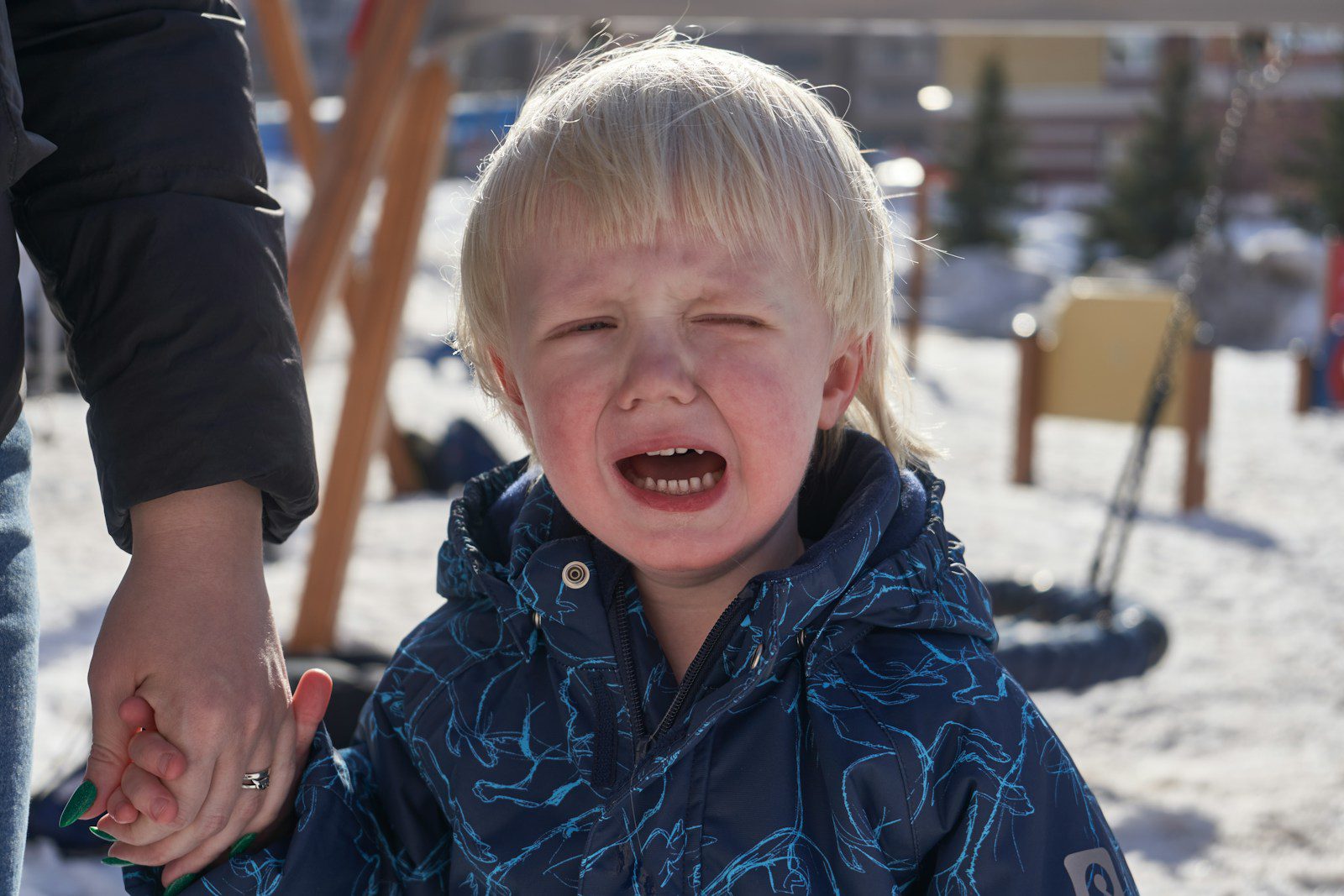
Parents who try gym daycare with a toddler often picture a quick workout and a happy kid playing with blocks. Instead, they can end up with a child who sobs at drop-off, clings at home, and starts screaming the second the stroller points toward the gym entrance. When that happens, it can feel less like “a rough phase” and more like a full shutdown of any attempt at childcare.
What looks like stubbornness is usually separation anxiety colliding with a setting that is not built for big feelings. With a little detective work into what the child is actually scared of, and a slower, more predictable plan, families can often get back to movement and sanity without forcing a terrified toddler to “tough it out.”

Why Gym Daycare Hits Different For Anxious Toddlers
Separation anxiety in toddlers is developmentally normal, especially once a child realizes that a parent can be gone in one place while they are stuck in another. Pediatric guidance on separation anxiety explains that once a young child understands a caregiver is truly out of sight, the panic is real, not performative. Tantrums, clinginess, and even physical symptoms like a tight tummy can show up around any drop-off. When that big reaction happens repeatedly in one specific place, such as the gym childcare room, the child starts to associate the building, the parking lot, even the gym bag with that fear.
Unlike a full-time daycare or preschool, gym childcare is usually short, loud, and staffed for basic supervision rather than emotional coaching. In one discussion where Jan opened a comments section about gym daycare, parents pointed out that Gyms often have strict rules about how long kids can cry before staff call a parent back. They also noted that Gyms are not always equipped to handle kids with intense separation anxiety, so the environment can turn into a revolving door of upset toddlers. That fast pullback teaches a child that if they scream hard enough, the parent will return immediately, which accidentally reinforces the cycle.
Resetting The Experience Instead Of Powering Through
Once a toddler starts screaming the second a parent even walks toward the gym door, the association is locked in. For many families, the first step is to pause gym childcare completely and rebuild trust in tiny, predictable steps. Guidance on adjusting to daycare stresses that tantrums and clinginess are common during transitions and that short, repeated visits help a child feel safe. That same logic works at a gym: start with simple “tour days” where the parent and child just walk in, say hi to staff, and leave together with no drop-off at all. The goal is to show that the building itself is not a trap.
After a few calm visits, parents can try micro-stays, such as five minutes in the childcare room while the parent stays visible in the doorway or checks in every couple of minutes. In a group where Jul shared advice about gym care, one parent described starting with 15 minutes and slowly stretching it to 20 and then 30, giving their child time to build trust and comfort with the workers. That kind of gradual exposure matches broader tips for overcoming separation anxiety, which recommend consistent routines, short goodbyes, and chances for kids to practice self-soothing in manageable doses rather than being dropped into a long, overwhelming stay.
Tools That Help Toddlers Feel Brave Enough To Stay
Once a parent has decided not to white-knuckle through the screaming, the question becomes how to actually help the child feel safer. Experts who share tips to help at drop-off often recommend a simple, repeatable script and a short goodbye routine. That might sound like, “We will play trains here, I will lift weights, then I will come back after snack.” The key is to say the same type of thing each time and then actually follow through. Consistent explanations and follow-through help children learn that a parent leaving is temporary, not a betrayal.
Stories and play can also do some quiet heavy lifting. Parents in Jan’s gym daycare thread suggested obtaining children’s books about the experience so kids see characters who feel the same big feelings. Picture books such as The Kissing Hand and Llama Llama Misses give toddlers language for missing a parent while still doing something fun. Some families add a tiny ritual, such as a drawn heart on a child’s hand or a small comfort object cleared with staff, to bridge that gap between “with you” and “without you.”
Parents also have to decide whether this particular gym setup is a good fit. In the same conversation where Jan raised the problem, another commenter, bookscoffee1991, pointed out that Gyms often have rules about how long kids can cry and that They might bring a parent back before a child has time to settle. On a separate app where Apr shared guidance about gym childcare, other parents noted that Gym Daycares are not really designed for high-needs transitions and suggested trying shorter workouts, busier times when there is more distraction, or even a different childcare setting entirely. Broader advice on separation anxiety also reminds caregivers that timing matters and that starting a new care situation during another big life change can magnify distress.
More from Decluttering Mom: