The first time Sarah Chen tried dropping her 18-month-old at the gym’s childcare room, her daughter grabbed both fistfuls of her shirt and screamed so loudly that three treadmill runners turned to look. Chen, a mother of two in suburban Denver, left anyway on the staff’s advice. Five minutes later, her phone buzzed: the childcare attendant was paging her back. Her daughter had not stopped crying.
Scenes like this play out at fitness centers across the country every week. A parent signs up for a gym membership partly because on-site childcare is included, only to discover that their toddler treats the playroom door like the entrance to a dragon’s lair. The guilt is immediate. The self-doubt is loud. But pediatric experts say this reaction has a name, a developmental explanation, and, for most families, a resolution.
What is actually happening in a toddler’s brain
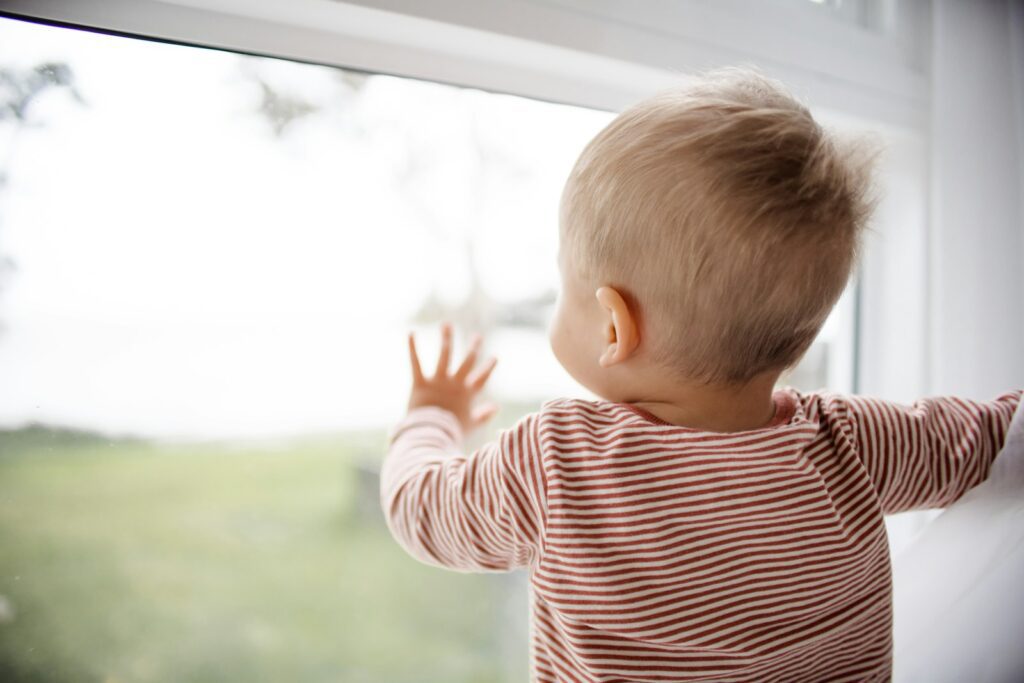
Separation anxiety is one of the most predictable milestones in early childhood. According to the American Academy of Pediatrics-reviewed guidance on KidsHealth, it typically emerges between 8 and 14 months, peaks somewhere around 18 months, and can flare again between ages 2 and 3. The trigger is cognitive growth: babies begin to understand that a parent still exists when out of sight, but they lack the experience to trust that the parent will return on a predictable schedule.
Gym childcare can intensify this anxiety for a few specific reasons. Unlike a regular daycare or preschool, visits are often irregular. A child might go twice one week and skip the next, which disrupts the pattern recognition toddlers rely on to feel safe. The environment is also louder and less structured than a typical early-childhood classroom, and the caregivers rotate more frequently. For a small child already wired to protest separation, these variables stack up fast.
How long the adjustment usually takes
There is no universal timeline, but early-childhood specialists offer a rough framework. Guidance from The Goddard School’s early learning team notes that many toddlers need two to three consistent weeks of regular drop-offs before crying at separation begins to shorten. Some children settle within a few visits; others need a month or more. The key variable is consistency. Sporadic attendance resets the adjustment clock almost every time.
Parents often mistake the intensity of the protest for its duration. A toddler who shrieks at the door may calm down within two or three minutes of a parent’s departure and spend the rest of the hour happily stacking blocks. Asking staff how quickly a child settles after goodbye is one of the most useful questions a parent can ask, and most experienced gym childcare workers expect it.
A slower on-ramp that actually works
For a child who has already developed a strong negative association with the gym playroom, experts recommend backing up and rebuilding trust in stages.
Visit without separating first. Bring the child into the childcare space during a quiet period and stay together. Let them explore the toys, meet a caregiver, and watch other children while a trusted parent sits nearby. Transition guidance from early-childhood platform Lillio recommends several of these low-pressure visits before attempting a real drop-off.
Start with very short separations. Leave for five or ten minutes, then return calmly. Gradually extend the window over multiple visits. The goal is to give the child repeated proof of a simple equation: parent leaves, parent comes back.
Create a predictable goodbye ritual. According to Goddard School’s separation-anxiety guidance, brief and consistent goodbyes help toddlers learn to self-soothe during transitions. A short script works well: a hug, a specific phrase (“I’ll be back after you play”), and a wave at the door. Lingering or returning after saying goodbye tends to restart the distress cycle.
Practice separation in lower-stakes settings. The American Academy of Pediatrics recommends building a child’s tolerance through short separations at home or with familiar relatives, so the gym is not the only place they practice being apart from a parent.
Books and rituals that give toddlers a script
Toddlers process new experiences partly through narrative. Reading a story about a character who feels scared at drop-off, misses a parent, and then discovers that everything turns out fine gives a child a mental framework they can apply to their own situation.
Two titles come up repeatedly in pediatric and parenting circles. The Kissing Hand by Audrey Penn follows a young raccoon whose mother presses a kiss into his palm so he can hold it during school. Llama Llama Misses Mama by Anna Dewdney walks a toddler-aged llama through a full arc of worry, coping, and reunion. Neither book is specifically about gym childcare, but the emotional sequence maps directly onto it.
Some families also create a small “comfort object” routine: a parent kisses a stuffed animal or a bracelet, and the child holds it during the separation. The object becomes a tangible reminder that the parent exists and is coming back, which is exactly the reassurance a toddler’s developing brain needs.
When to keep going and when to pause
The hardest judgment call for parents is distinguishing between productive discomfort and genuine distress that signals a poor fit. Experts at Casa Early Learning suggest watching for these markers:
Signs the adjustment is on track: Crying that stops within a few minutes of the parent leaving. Willingness to engage with toys or other children once settled. A generally happy mood at pickup. Gradual improvement over consecutive visits.
Signs it may be time to pause: Inconsolable crying that lasts the entire session, visit after visit. Refusal to eat, drink, or play in the childcare room. New anxiety symptoms outside the gym, such as increased clinginess at bedtime, nightmares, or resistance to separations that previously went smoothly.
If a child falls into the second category after several weeks of consistent effort, stepping back is not failure. Some toddlers simply need more developmental time. Many parents find that a break of two to three months, especially bridging the gap between 18 months and age 2 or between 2 and 3, makes a dramatic difference when they try again. In the interim, alternatives like trading childcare shifts with a partner, working out during nap time, or arranging a swap with another parent can keep a fitness routine alive without forcing a situation that is not working yet.
What to look for in a gym childcare setup
Not all gym playrooms are created equal, and the environment itself can make separation easier or harder. Parents evaluating a facility should ask about staff-to-child ratios (lower is better for anxious toddlers who need more individual attention), caregiver consistency (do the same people work the same shifts?), and the policy for contacting a parent if a child cannot be consoled. A clear, written policy on how long staff will attempt to soothe a child before paging a parent is a sign of a well-run program.
It also helps to visit during the time slot you plan to use. A playroom that feels calm at 9 a.m. may be chaotic and overstimulating at 5 p.m. Matching a toddler’s temperament to the right environment is not overprotective. It is strategic.
The bigger picture
Separation anxiety at gym daycare is not a parenting failure or a sign that a child is unusually fragile. It is a normal, well-documented phase of development that happens to collide with a setting designed more for adult convenience than toddler comfort. With consistent visits, a calm goodbye routine, realistic expectations about the timeline, and a willingness to pause if needed, most families find their way through it. The toddler who screamed at the playroom door in March may be the one waving goodbye without a backward glance by summer.
More from Decluttering Mom: