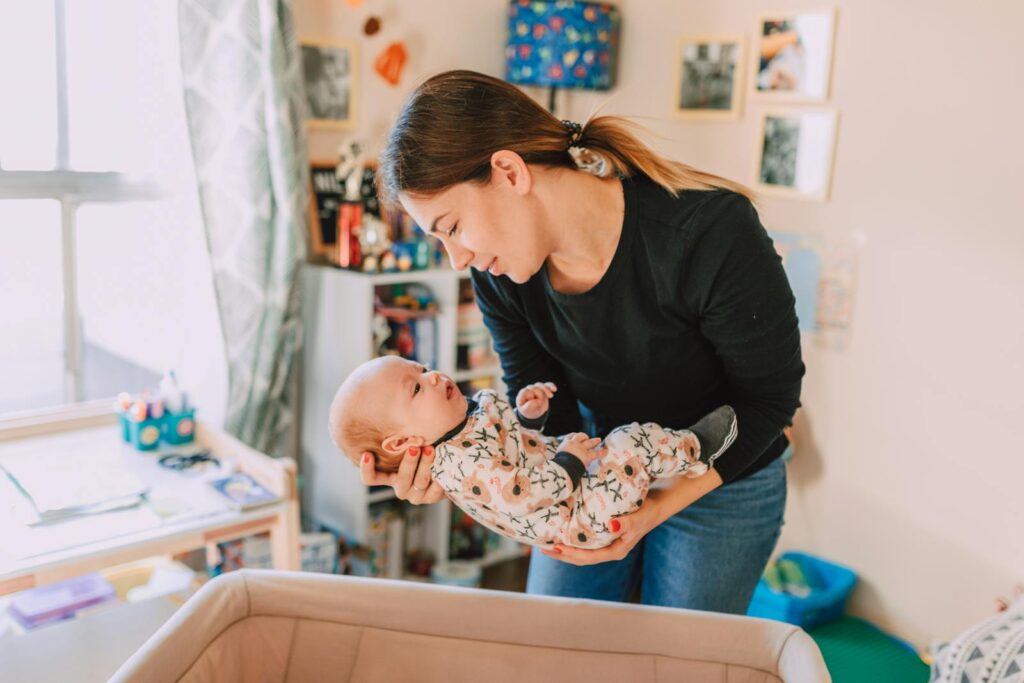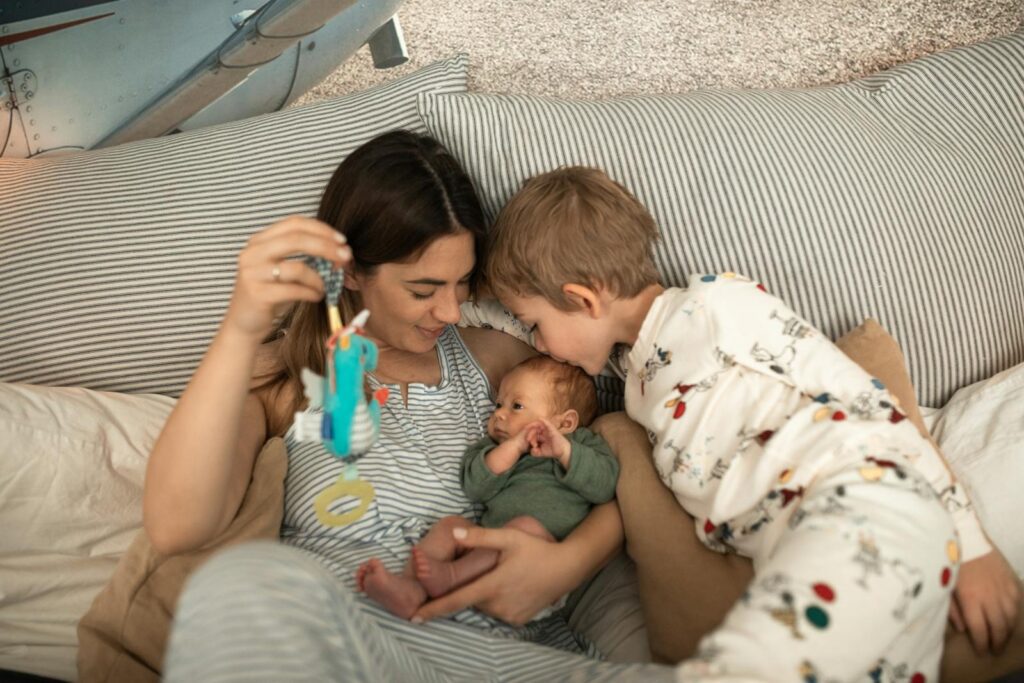
Night after night, some toddlers wake up soaked, their Pull-Up no match for a full bladder and deep sleep. Parents picture them lying in a cold, clammy puddle for hours and start to wonder if something is wrong, or if they are missing an obvious fix. The reality is far less dramatic and far more common, and there are practical ways to keep everyone drier without turning bedtime into a science experiment.
Most kids who flood their nighttime underwear are not signaling a medical crisis; they are simply still developing the ability to stay dry while they sleep. With a few smart gear upgrades, some mattress protection, and a realistic timeline for nighttime potty training, families can usually trade the 3 a.m. sheet change for actual rest.
Why her Pull-Up is no match for a toddler bladder
Parents often assume that if a Pull-Up is on the shelf next to diapers, it should handle the same overnight workload. In reality, many training pants are designed as a bridge to underwear, not as heavy-duty nighttime gear. One Reddit parent in a thread about a toddler who soaked through every night pointed out that pull ups are not built for that, since they are meant to help kids notice wetness rather than quietly absorb a lake, and that perspective matches what pediatric sleep and potty training experts say about training pants in general. When a child is guzzling water at dinner, taking a big bedtime drink, then sleeping hard for ten or twelve hours, a thin layer of absorbent material simply taps out.
There is also the developmental piece that tends to get buried under the laundry pile. According to guidance on toddler bed wetting, most tots are not ready to stay dry overnight until they are older, and that shift usually happens long after daytime potty success. The same resource notes that bed wetting is typically a normal part of development and that patience and simple strategies often solve the problem on their own with time. A toddler who sleeps through a soaked Pull-Up is not choosing to ignore discomfort; their sleep is deep, their bladder is still maturing, and their brain-bladder communication at night is a work in progress.
Gear upgrades that actually keep the bed dry
Once parents understand that the Pull-Up is outgunned, the next step is to bring in gear that is built for the job. Many families find that true overnight diapers hold more liquid than daytime versions, with some products specifically marketed for long stretches of sleep. One lab-tested roundup of overnight options highlighted Huggies Overnites Nighttime Diapers as a top performer and even listed a jumbo box at $53 on Amazon, a reminder that better absorbency often comes with a higher price tag. For kids who are already in training pants during the day, switching back to a thicker diaper at night can feel like a step backward to adults, but for a tired toddler it is simply a more comfortable way to sleep.
Parents who want to stay in the training pant lane can also look at specialized nighttime underwear. Some brands, such as product-style pants, are cut like underwear but packed with more absorbent material than a basic Pull-Up. Others, including Ninjamas Nighttime Underwear, are marketed as a reliable solution for bedwetting and even advertised as NEW AND IMPROVED for extra protection. Whatever the brand, the key is to size up if the waistband is tight or there are gaps at the legs, since leaks often come from fit issues rather than sheer volume. Some parents also tuck a disposable booster pad into the diaper or pant to add capacity, a trick echoed in guides that suggest using a booster pad inside the diaper and pairing it with a good mattress protector for full coverage.
Smart routines so she is not secretly sleeping in a puddle
Even the best diaper will struggle if a toddler chugs a full water bottle right before lights out. Nighttime potty training plans often start with managing how much a child drinks in the hour or two before bed, then making sure they sit on the potty or use the toilet right before sleep. One step-by-step guide on night training recommends checking for signs of readiness and gradually stretching the time a child stays dry, rather than yanking away protection cold turkey. Another set of tips on overnight potty training suggests encouraging a final pee before sleep and skipping scheduled wake-ups, since dragging a child to the bathroom at midnight can disrupt rest without guaranteeing fewer accidents.
More from Decluttering Mom: