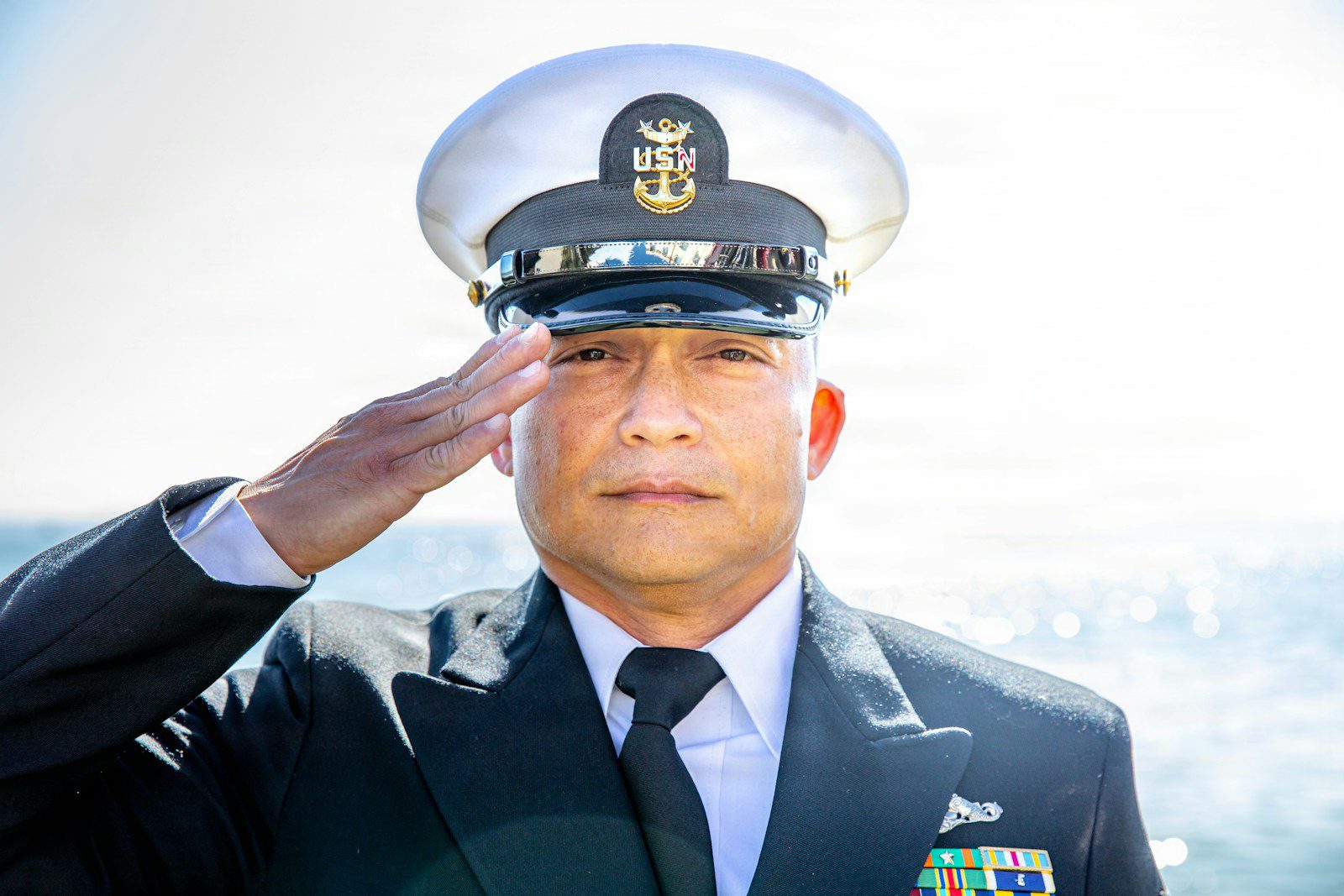
It started with a 3:00 AM phone call that would shake the foundations of a small Navy community. Bill, a sonar technician in training, was on the brink of a crisis, and those who were supposed to guide him had failed spectacularly. Instead of support, he endured bullying from petty officers who thrived on intimidation, which led him to a dark place no one expected.
Bill wasn’t the typical fleet type. He was smart, a bit chubby, and wore glasses. Sure, he struggled with physical training, but he met the minimum fitness requirements. His real skill lay in his intelligence and problem-solving ability, which would have made him an asset once he got to the fleet. However, two hard-nosed petty officers couldn’t see past their views of what a sailor should be. They hailed from a different mold—a hyper-competitive ethos that had no place in a role focused on computations and sonar.
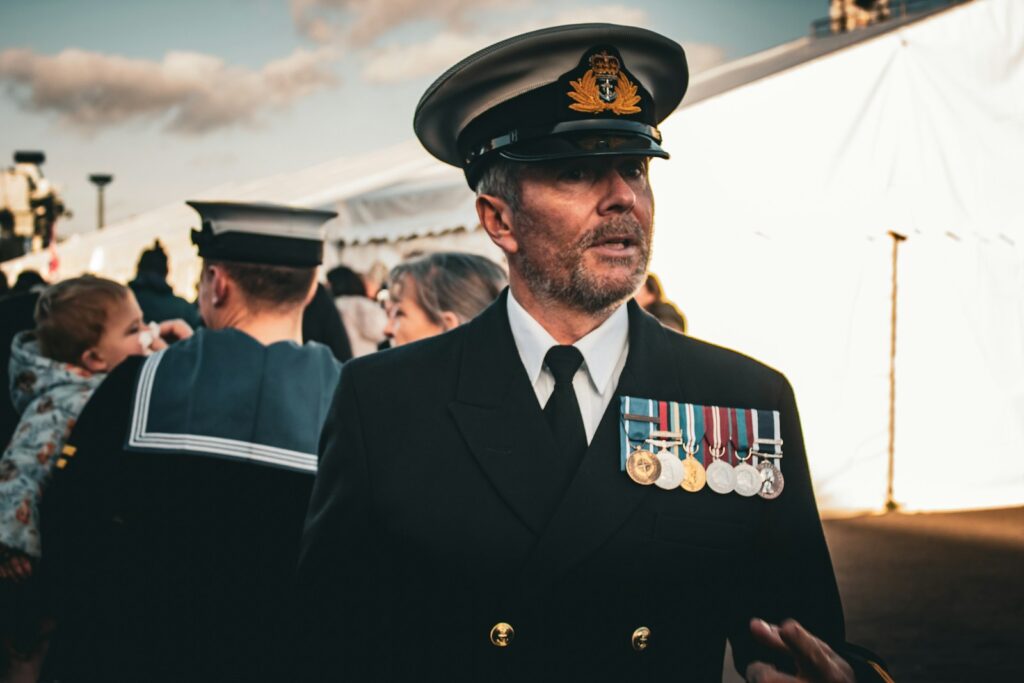
The harassment began innocently enough, escalating quickly into cruel taunts. Names like “fat” and “lazy” became common in Bill’s daily routine. The atmosphere turned toxic when he injured his knee and presented medical documentation for light duty. Instead of compassion, the response was a barrage of threats—a chilling reminder that being seen as weak in the Navy can have serious repercussions. The pressure reached a point where Bill, feeling cornered, kept pushing himself, only worsening his condition.
When Bill finally sought help from a Navy Chaplain, a Captain known for her kindness, his petty officers struck again. They ridiculed him for arranging the meeting, calling him weak and promising to make his life harder if he didn’t attend class. Believing he was a burden and shouldered with guilt from their insults, he canceled the session. That night, after a breakup with his girlfriend, he made the tragic decision to harm himself.
The news hit hard; friends rushed to the hospital, only to pass the Chaplain in the hallway. The sight of her—usually warm and approachable—now engulfed in anger and disappointment, was unsettling. She had wanted to help Bill, but the toxic influence of the two petty officers had thwarted her intentions. She felt helpless but determined for justice.
After learning about Bill’s condition, things changed for the petty officers. A meeting with the Chief of the training command led to a gathering of testimonies from Bill’s friends about the harassment they witnessed. It wasn’t just Bill who suffered; the culture these officers fostered impacted everyone around them. The tides shifted quickly; soon after, the petty officers went missing from the training command.
In an unexpected twist, the Chaplain took her fight straight to the Admiral. She expressed her disgust over the situation and the need for accountability. The Admiral agreed, citing the officers’ actions as unacceptable. They faced immediate discharge—an event that shattered their Navy careers, robbing one of nearly two decades of service and the other of twelve years.
These weren’t just ordinary discharges, either. With discharges labeled as Other Than Honorable, their military service came to a grinding halt. Word spread that they lost all benefits and found themselves with a one-way bus ticket back home. Their prospects looked grim; even fast-food chains that often hired veterans would be off-limits due to their status.
As for Bill, he made a full recovery. The Navy provided him a medical discharge, meaning he received lifelong benefits and support for his mental health. Friends lost touch over the years, but his path took a positive turn; he became a police officer, settled down, and appeared happy on social media. The contrast between his life and that of the petty officers was stark.
Online reactions to the story varied widely. Some celebrated the Chaplain’s decisive action; many expressed relief that Bill found his way back to sanity. Others, however, raised eyebrows at the severity of the punishment for the petty officers. Could such harsh consequences lead to a change in behavior among leaders? Would new recruits suffer similarly under different guises of harassment?
In the end, this tale sheds light on bullying in military culture and the critical role of support systems. With Bill’s life turned around and those responsible facing consequences, one has to wonder about the long-term effects on all involved. How many more Bills are there? And how many of those who hold power forget their responsibilities?
More from Decluttering Mom: