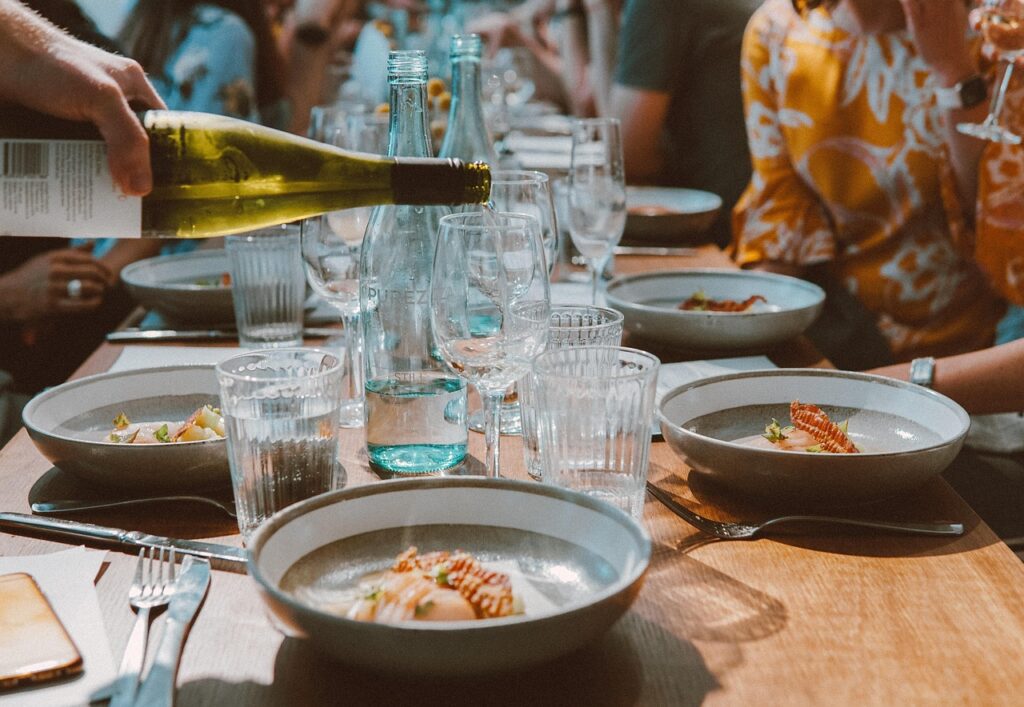
A routine mom group lunch turned into an unexpected financial dispute when one attendee who ordered only water and a salad found herself being asked to split a $100 bill evenly among the group. The incident quietly spread through neighborhood text chains and local social media before gaining wider attention as others shared similar experiences of being stuck with unexpectedly high tabs after modest meals.
The controversy centers on the awkward moment when diners who ordered appetizers, cocktails, and expensive entrees expected everyone at the table to divide the total check equally, leaving the frugal eater facing a bill several times what she actually consumed. What started as one woman’s frustrating lunch experience became a flashpoint for discussing dining etiquette and social expectations within tight-knit community groups.
The drama taps into a broader conversation about fairness and social pressure in group settings, especially among neighborhood circles where maintaining relationships matters. While less explosive than other viral dining controversies like the TikTok antipasto salad incident that united the platform behind a rejected party guest, this quieter backlash resonates with anyone who has felt trapped by the dreaded “let’s just split it” suggestion at the end of a meal.
Breaking Down the Neighborhood Mom Group Lunch Drama
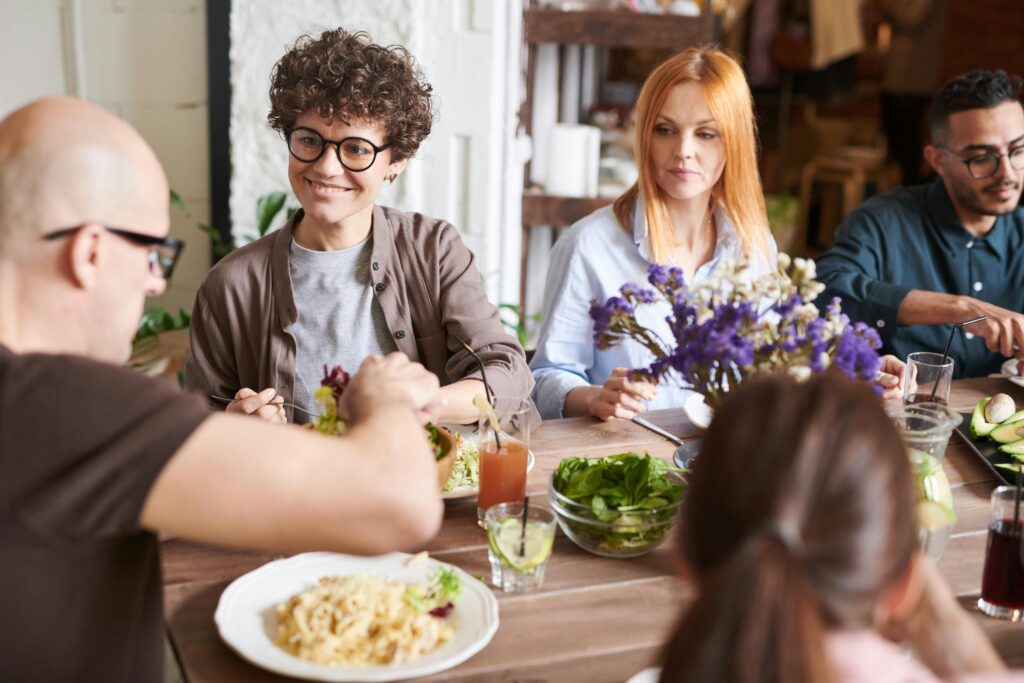
A casual lunch among neighborhood moms turned into a financial flashpoint when one woman who ordered just water and a salad found herself facing a $100 bill after the group decided to split costs evenly.
The Antipasto Salad, Water, and the $100 Bill
The drama centered on a stark contrast in what different attendees ordered versus what they paid. One mom kept her order minimal, requesting only water to drink and what some accounts describe as an antipasto salad for her meal. Her individual tab would have totaled around $15 to $20 at most.
The rest of the group took a different approach. Several moms ordered appetizers, entrees, multiple cocktails, and desserts throughout the lunch. When the check arrived, the total came to over $1,000 for the table.
Rather than paying individually, someone suggested splitting the bill evenly. This meant each person owed approximately $100, regardless of what they actually consumed. The woman who ordered minimally was expected to subsidize everyone else’s more expensive meals and drinks.
Who Was Invited and Why It Mattered
The lunch wasn’t a spontaneous gathering. The group consisted of moms from the same neighborhood who had formed connections through their children’s activities and school. Some of them knew each other well, while others were newer to the circle.
The woman who ended up with the inflated bill was among the newer members. She attended hoping to build relationships within the community. Her financial situation may have influenced her modest order, though she didn’t explicitly state this to the group beforehand.
The existing dynamics within the mom group played a role in how the situation unfolded. Established members seemed comfortable ordering freely, possibly assuming everyone shared similar spending habits.
How the Bill Splitting Led to Backlash
When the even split was proposed, the woman who ordered less spoke up about the unfairness. Her objection created an awkward moment at the table. Some moms dismissed her concerns, suggesting she should have anticipated sharing costs equally.
The tension didn’t end at the restaurant. Word spread through the neighborhood about what happened, with parents taking sides. Some felt the even split was standard practice for group dining and that she overreacted. Others argued it was inconsiderate to force someone into paying five times what they actually owed.
Social dynamics shifted after the incident. The mom who protested found herself excluded from future invitations, while others in the group began questioning whether they wanted to participate in similar gatherings where financial expectations weren’t clearly communicated upfront.
How Social Media and Pop Culture Amplified the Drama
The lunch incident transformed from a private dispute into a widespread cultural conversation as TikTok users, meme creators, and content producers seized on the story. Online platforms turned the event into entertainment while real people faced tangible consequences.
Viral @folkmedicineremedies TikTok and Online Discourse
The story gained traction when @folkmedicineremedies shared details about the lunch on TikTok, sparking immediate reactions from thousands of users. Commenters debated the ethics of equal bill splitting versus itemized payments, with many relating their own awkward dining experiences.
The post quickly accumulated millions of views as users on multiple platforms dissected every detail of the incident. People began taking sides, creating lengthy comment threads analyzing who behaved appropriately and who crossed social boundaries. The conversation expanded beyond the original incident to broader discussions about friendship dynamics, financial transparency, and modern etiquette expectations among parent groups.
Social media users connected the drama to similar neighborhood conflicts, with some referencing events like Antipasto-gate, where a $40 salad sparked viral small-town drama on TikTok. The discourse highlighted how social media amplification can erode trust and morale in communities.
Memes, AI Depictions, and Comedy Sketches
Content creators rapidly produced memes featuring exaggerated scenarios of people ordering water and salad while others feasted on expensive entrees. AI depictions showed dramatized versions of the lunch table confrontation, with generated images of confused guests staring at oversized bills.
Comedy sketches emerged on TikTok and Instagram, with creators reenacting the moment someone who ordered a $15 salad learns they owe $100. These parodies resonated with audiences who had experienced similar uncomfortable situations. Some sketches portrayed the perspective of the frugal diner, while others satirized the hosts who suggested equal splitting without warning.
The humor spread across platforms, with each iteration adding new embellishments to the original story. Reddit threads compiled the best responses, and Twitter users created running jokes about “salad girl” becoming everyone’s hero for standing up to unfair bill splits.
Consequences for Guests and Hosts
The online attention brought real-life consequences for those involved in the original incident. Group chat messages between the moms reportedly became tense, with some participants feeling exposed and judged by strangers online.
Several attendees expressed regret about how the situation unfolded, though disagreements persisted about who should apologize first. The host faced criticism from commenters who felt advance notice about bill splitting was basic courtesy, while the guest who shared the story received both support and accusations of making the situation worse by posting publicly.
Neighborhood dynamics shifted as other local parents weighed in on the controversy. Some mom groups created explicit guidelines about meal costs and payment expectations to avoid similar conflicts.
More from Decluttering Mom: