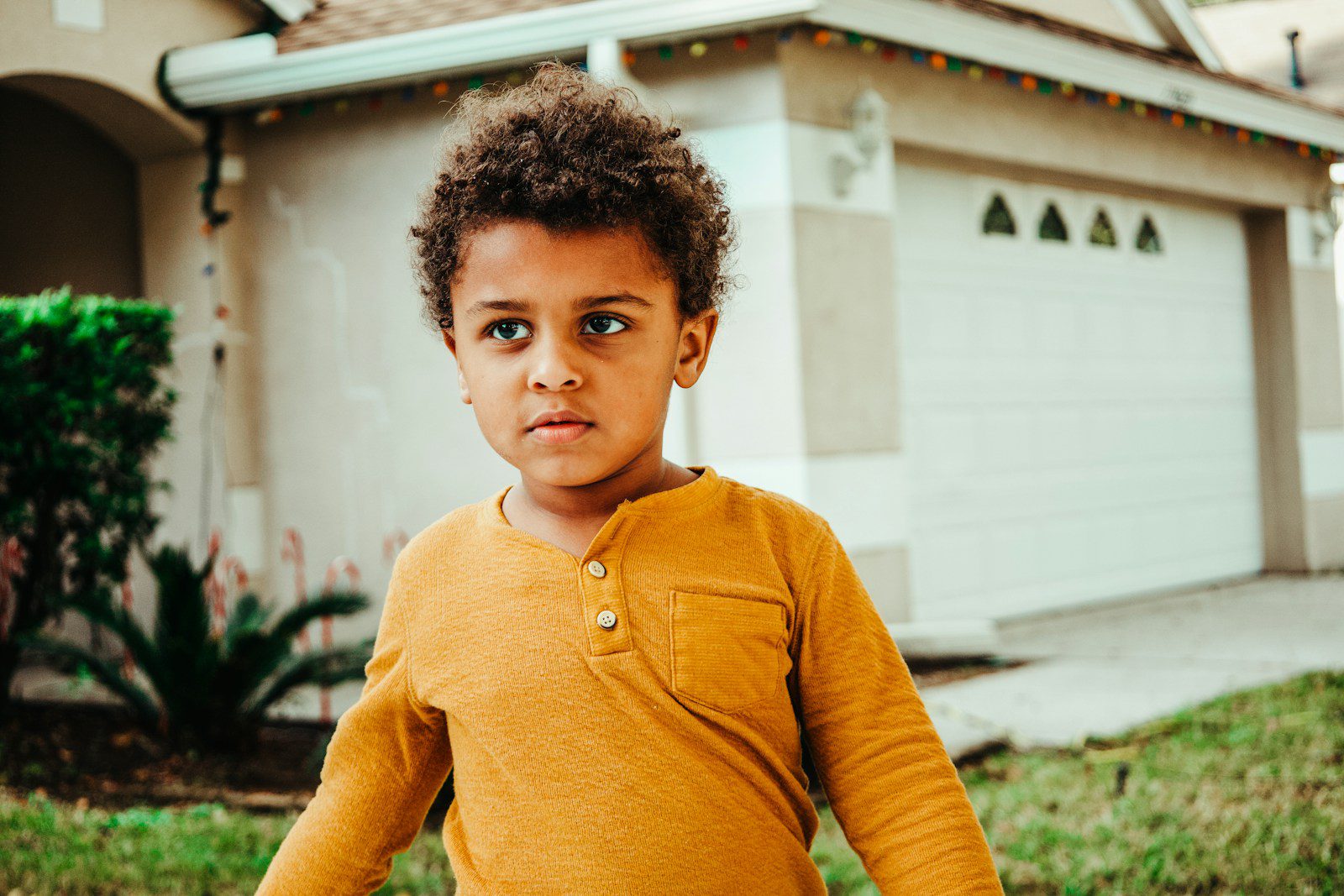
A mom posts that the neighbor’s kid keeps wandering over right before dinner, clutching an empty stomach and a hopeful look, and suddenly the internet is in full moral court. Is she supposed to quietly add another plate, or is it on the child’s own parents to make sure their kid is fed. What sounds like a tiny cul-de-sac drama has turned into a much bigger argument about boundaries, hunger and what families owe each other when money and patience are both running thin.
Behind the viral outrage is a familiar tension: people want to protect kids from going hungry, but they are also exhausted by being treated like the default safety net. That mix of compassion and resentment is showing up everywhere from neighborhood Facebook groups to state budgets and federal courtrooms, and it is exactly why one hungry child on a doorstep can light up an entire comment section.

The front-door dilemma: kindness, boundaries and quiet judgment
Parents who see a neighbor’s child show up hungry are juggling more than snacks. They are weighing their grocery bill, their own kids’ needs and the risk that any firm line will be read as cruelty. In one Christian parenting group, a mom named Jul described how a girl who “used to be fine” with the family’s strict rules and church routine has shifted into a phone-obsessed tween, and now She is testing every boundary in the house. The mom worries that if she pushes back, the finger will be pointed at her family as unwelcoming, a familiar fear for anyone who has ever tried to say no to a kid who is not their own.
Online, that anxiety often explodes into full-blown judgment. A viral clip from Nov showed a mom who let her kids go hungry after their EBT benefits were cut, sparking a fierce argument among neighbors about whether she was neglectful or simply exercising her right to make for her family. The same split appears in debates over everyday parenting decisions, like a video that had people fighting over whether babies should be allowed in restaurants, with one commenter insisting “Its not a debate, it’s up to the Mother” and defending Her one small freedom to eat out. The message is blunt: outsiders love to weigh in, but the person in the kitchen or at the table is the one living with the fallout.
When neighbor drama meets a bigger hunger crisis
It is tempting to treat the hungry neighbor kid as a pure etiquette problem, but the backdrop is a country where feeding children has become a high-wire act. Advocates in California have warned that school and summer nutrition programs face growing uncertainty as Kid Hungry California to Governor Newsom’s Budget Proposal in Sacramento, Calif. At the same time, food advocates keep repeating that no child should go to bed hungry, even as they acknowledge that the cost of groceries is still too high and that families are struggling just to keep Food on the table.
Policy fights over child support systems only add to the pressure on individual households. In New York, Governor Kathy Hochul has been pitching a path to universal child care as part of a broader agenda, while child welfare research and advocacy groups have pushed back hard when leaders like Andrew Cuomo floated cuts to the city’s child welfare system, warning that Child safety is already under strain after several high profile deaths. When state budgets wobble, the gap often shows up first in kids’ lunch boxes, which is exactly where neighborly generosity is being asked to step in.
Who is responsible: parents, neighbors or the state?
Scroll through parenting forums and the same question keeps popping up: where does personal responsibility end and community care begin. One woman described being so fed up with kids cutting through her yard and peering into her windows that she intentionally scared them, then turned to an AITAH thread to ask if she had gone too far, a scenario summed up in the viral “NEED to KNOW” summary that made the rounds. Another mom, living in a duplex, vented that the next door neighbor’s kids kept wandering onto her lanai to play with her child’s toys, even though the families are not friends and the kids are older, prompting her to ask “AITA if I am annoyed AF” as she told them to leave her yard in a post that captured the raw AITA energy of the moment.
At the same time, other parents are pushing back on the idea that stay at home moms should automatically absorb extra caregiving. One widely shared story described a neighbor calling a woman “selfish” for refusing to watch their kids for free, only for online commenters to rally around her, with one noting that “Like the” moms in the group, Everyone knows how expensive child care has become. That sticker shock is not imaginary: a New report out of Tennessee found that in state tuition at public colleges can be cheaper than daycare, a comparison highlighted in coverage that credited the finding By Steve Mehling and underscored how upside down the math has become for families.
Supporting sources: Office of the, South Bay History:, Basketball star Maori.
More from Decluttering Mom: