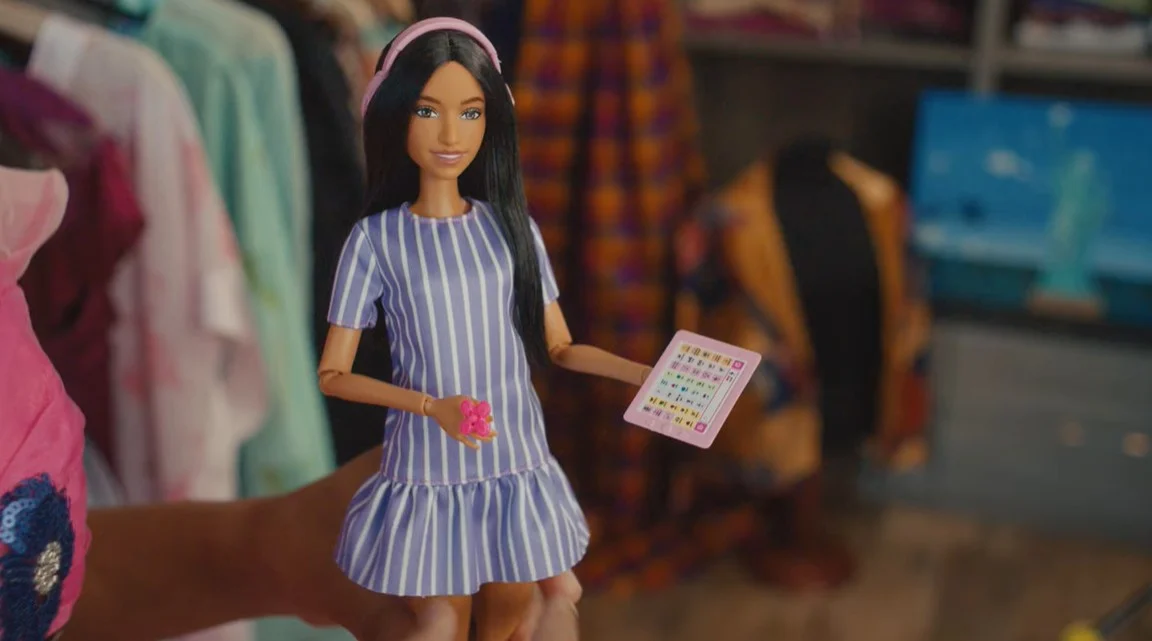
Mattel’s first autistic Barbie was supposed to be a milestone for representation, a glossy plastic signal that neurodivergent kids belong in the same pink aisles as everyone else. Instead, the doll has ignited a fierce debate over who gets to define autism in the toy aisle, and how far a single figure can stretch to reflect a spectrum. Among the loudest critics is a mother who is autistic herself, who argues that the company’s vision of autism feels more like a costume than a lived reality.
The controversy is not just about one doll. It is about whether a global brand can translate a complex diagnosis into a mass-market product without flattening autistic people into a handful of visual cues and accessories. The reaction from parents, autistic adults, and advocacy leaders shows how fragile trust can be when representation is filtered through corporate design meetings.
The doll that promised inclusion, and the design choices fueling anger
Mattel Inc introduced the autistic Barbie as part of its diversity-focused collection, positioning the doll as a way to make neurodivergent children feel seen in everyday play. The company equipped the figure with items associated with sensory needs, including headphones and a fidget-style accessory, and described the character as someone who uses these tools for sensory regulation or to express enthusiasm, according to Mattel Inc. Early coverage highlighted that the doll’s design also includes a sideward gaze and visible noise-canceling gear, details that were meant to signal autism at a glance but quickly became flashpoints.
Critics argue that these choices lean too heavily on a narrow, stereotyped image of what autism looks like. One report noted that the doll’s sideways eyes and ever-present headphones, paired with a fidget-spinner-style accessory, have been read by campaigners as a checklist of clichés rather than a nuanced portrayal, with some warning that the first autistic Barbie risks locking autistic kids into a single visual script. Another analysis of the design said the overall look feels overly stereotypical and that the company’s attempt at inclusion may have backfired by turning autism into a set of props, a concern echoed in coverage of Mattel’s rollout.
A mom with autism, and a community split over “autism as accessory”
Among those pushing back hardest is a woman identified as a Mom With Autism, who has publicly challenged the way the brand framed the character. In coverage of the launch, she argued that the new figure risks turning a complex neurodevelopmental condition into a marketing hook, saying the doll does not land the way the brand intended and that the execution feels more like a label than a reflection of real autistic lives, according to reporting on the New Autistic Barbie critics. Her perspective carries particular weight because she is both autistic and a parent, navigating the diagnosis from two vantage points that rarely show up in toy marketing decks.
Her concerns echo a broader unease among parents and autistic adults who see the doll as reinforcing a narrow, pre-approved version of neurodivergence. One social media user, described as a mother of an autistic child, put it bluntly, saying that autism is not an accessory and warning that packaging it as such risks trivializing the diagnosis, a sentiment captured in coverage that quoted her insistence that Autism should not be reduced to a handful of visual traits. Another parent, introduced as Mother of an Autistic child, weighed in on local television, noting that Mattel is launching its first autistic Barbie and that a parent named Duran, who is neurodivergent, sees both the potential and the pitfalls in how the doll might shape children’s expectations of their peers, according to a segment shared under the title Mother of.
“Missing the mark” or a first step: autistic adults and advocates weigh in
Autistic adults and advocacy leaders are divided on whether the doll is a harmful stereotype or an imperfect but meaningful step. Eileen Lamb, senior director of social media and marketing for Autism Speaks, is one of the most prominent voices in the debate. Lamb, who is autistic and has two autistic children, has spoken about the mixed reaction to the doll’s arrival on major retailers’ shelves and on Mattel’s own website, noting that some families are grateful to see autism represented at all while others feel the company has missed a chance to show a broader range of traits, according to an interview that identified her as Eileen Lamb. Her dual role inside a major advocacy organization and inside an autistic family underscores how complicated it is to judge a single doll as either success or failure.
More from Decluttering Mom: