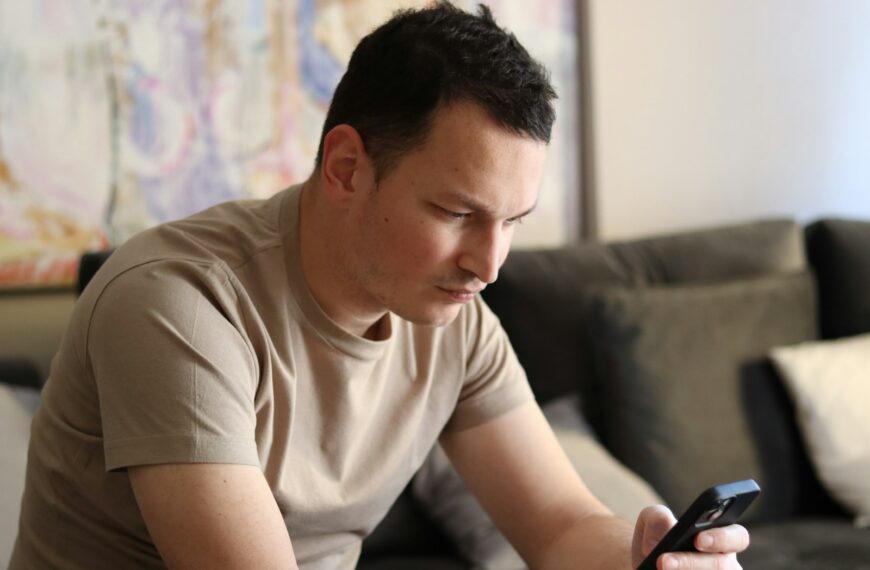
A new mother’s missed checkup, an infected cut and a cascade of overlooked warning signs ended in a diagnosis that upended her first year of parenthood. The story of Ameilia Boodoosingh Gopie shows how easily postpartum depression, exhaustion and everyday chaos can hide serious illness until it is almost too late. It is also a stark reminder that caring for a baby starts with protecting the parent’s own health.
The missed appointment and the cut that changed everything
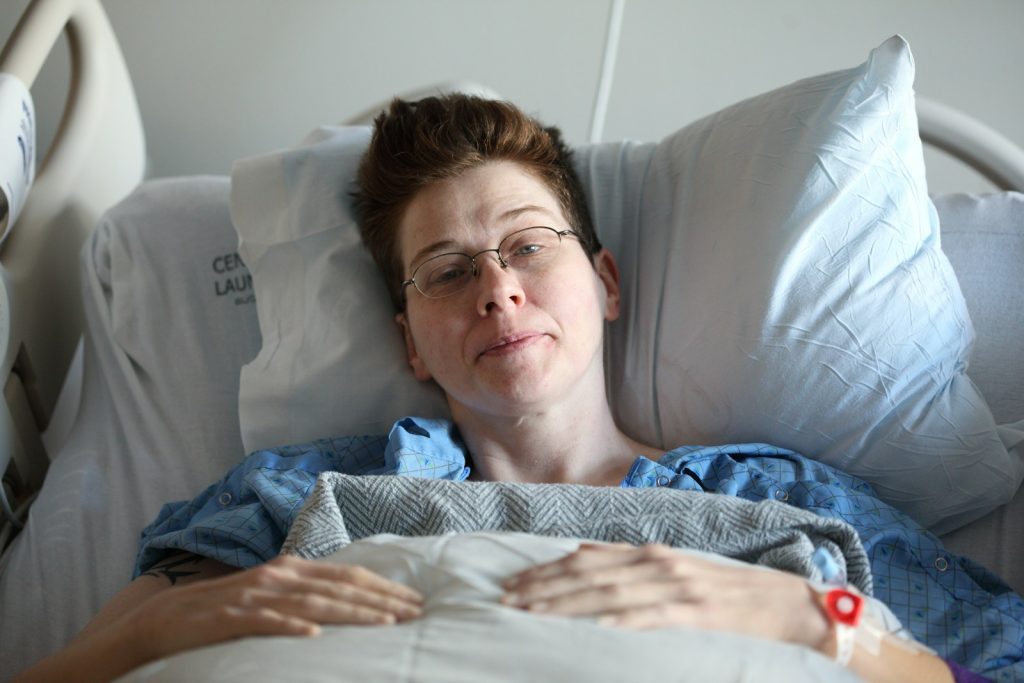
Ameilia Boodoosingh Gopie had every intention of keeping up with her medical care after giving birth, but the reality of new motherhood collided with her mental health. She was battling postpartum depression, and as the months went by, she skipped a routine appointment that might have caught trouble earlier, while her husband was left feeling like “a single dad for eight months” as he tried to hold their home together. In that blur of feedings, sleepless nights and emotional strain, routine health checks fell to the bottom of the list, a pattern she later described as part of how her life “fell by the wayside” during that period, according to detailed reporting on her experience with postpartum.
The turning point came not from a scheduled exam but from something that seemed trivial at first. Earlier this winter, she noticed a cut on her breast that became infected, a problem serious enough that she finally went in for care after nearly a year of putting herself last. That visit, which began as treatment for the infection, led clinicians to look more closely and ultimately uncover a devastating breast cancer diagnosis that had been silently advancing while she focused on survival at home. As one account of the case notes, the infected wound brought her back into the system “after nearly a year” of missed care, when her doctor decided to run another test that changed everything for the young mother, a sequence described in coverage of her husband and their family.
Postpartum depression, invisible risk and the burden on families
Gopie’s story underscores how postpartum depression can quietly erode a parent’s ability to advocate for their own health. She described feeling overwhelmed to the point that even basic self-care felt out of reach, while her partner juggled work, childcare and household duties in a way that left him “essentially a single dad” for months. That dynamic is echoed in broader reporting that shows how mental health struggles and the relentless demands of infant care can push routine appointments off the calendar, with one account noting that “routine appointments fell by the wayside” as her home life consumed every spare moment, a pattern captured in a social post about a new mom in crisis.
The emotional toll did not end with the diagnosis. Gopie has spoken about still being “in a recovery” phase, trying to process cancer treatment while also savoring time with her daughter, a dual reality that many young parents with serious illness recognize. She has described how “it gets overwhelming” to manage medical appointments on top of childcare, yet she is determined to focus on healing and enjoying her child as she moves forward. That mix of fear and resolve is reflected in coverage that details how she is now concentrating on recovery and the simple joy of watching her daughter grow.
Why self-checks and serious coverage matter
Experts say Gopie’s experience is a cautionary tale about how easily serious disease can hide behind the physical changes of pregnancy and breastfeeding. Sam Guirguis, DO, the Department Cha for a major health system, has warned that “a new mother often focuses so much on the baby that she may neglect herself and her health,” stressing that one of the best ways to protect her baby is to keep herself healthy through regular breast self-exams and prompt follow-up on any changes. Guidance for nursing parents emphasizes that lumps, skin changes or persistent pain should never be dismissed as “just breastfeeding issues,” and that self-checks remain critical even while lactating, advice highlighted in a public health piece quoting Sam Guirguis.
The way Gopie’s story reached a national audience also reflects a broader shift in how serious health narratives are covered. CBS has long positioned its news division as a more sober alternative to rivals that chase spectacle, with one analysis noting that CBS News has billed itself as the more serious player even when others leaned into royal-baby ratings. That editorial posture helps explain why a deeply personal account of postpartum depression and cancer, rather than a celebrity birth, became a centerpiece of its health coverage. At the same time, the national appetite for gripping, real-life stories has also fueled attention to other high-stakes cases, from homicide hearings that have drawn Fox and Court to a small Washington courtroom, to the intimate medical journeys of parents like Gopie whose private struggles carry public lessons.
More from Decluttering Mom: