Across the country, a new wave of checkout charges is colliding with already stretched household budgets, and shoppers are not hiding their anger. From bag fees to card surcharges, the extra line items may look tiny on a receipt, but regular customers say the totals mount quickly and feel like a penalty for basic errands.
I see a clear pattern emerging: policymakers and retailers are leaning on small, targeted fees to change behavior or cover costs, while the people paying them feel blindsided at the register. The backlash is growing loud enough that it is starting to shape how stores, cities, and even payment networks think about the future of the checkout counter.
The new bag fee that sparked a backlash
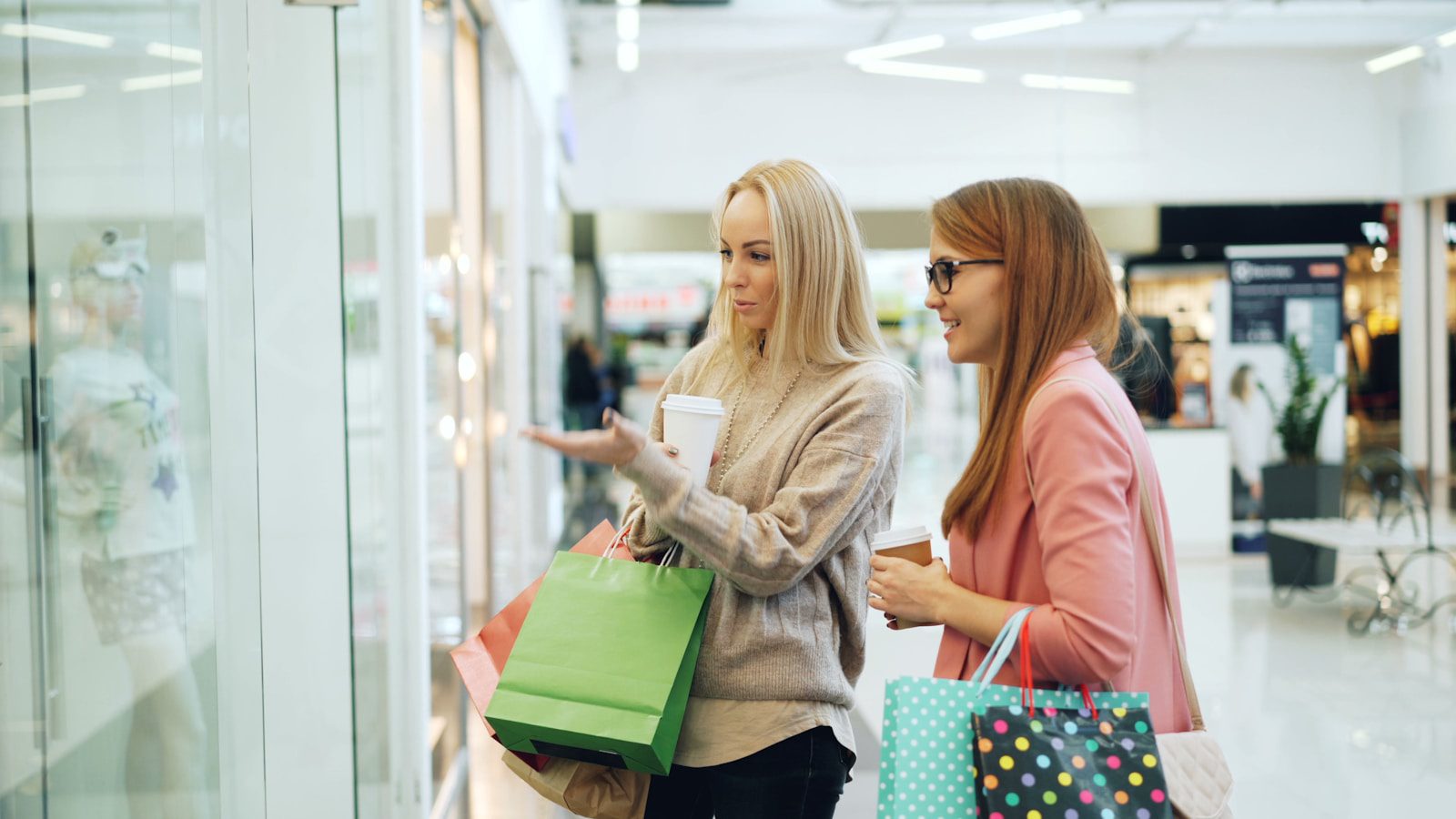
The most visible flashpoint is a statewide “carryout” rule that now requires Shoppers to pay 12 cents for every plastic bag at grocery stores. Under the law, which took effect on New Year’s Day, the charge is meant to push customers toward reusable options and cut down on single use plastics, but many regulars say they only discovered the change when their total jumped at the register. The same policy keeps the minimum charge for paper bags at 8 cents, so anyone who forgets a tote can easily rack up extra costs on a routine grocery run.
Reports describe how Shoppers across the US are adjusting to the new 12 cent plastic fee and the 8 cent paper minimum, with some customers complaining that the policy feels like a stealth price hike layered on top of already higher food bills. The rule applies at grocery stores and other retailers covered by the carryout law, so the extra charge can appear on everything from a quick snack stop to a full weekly shop, which helps explain why so many people say it “adds up fast” once they start counting the bags they use in a month.
How the 2026 carryout law actually works
Under the carryout framework, Shoppers are no longer getting free thin plastic bags at checkout, and stores are required to collect the 12 cent fee on each one that is still offered. The law is designed to phase out the flimsiest bags and steer people toward sturdier reusable options, while the 8 cent floor for paper bags is meant to prevent a simple switch from one disposable material to another. In practice, that means a family that once walked out with ten free plastic bags now faces an extra charge on every single one unless they bring their own.
Coverage of the rollout explains that the carryout law applies in grocery stores and other food retailers, and that enforcement is not symbolic. Under the rules, Shoppers who continue to rely on single use bags will see the fee on their receipts, while stores that ignore the mandate risk penalties from regulators. The structure is similar to earlier local bag ordinances, but the statewide scope and the specific 12 cent and 8 cent thresholds are new, which is why so many customers are only now confronting the true cost of their bag habit.
Philadelphia’s paper bag fee shows the local stakes
Even where plastic is already restricted, new charges are arriving. In Philadelphia, officials are preparing to add a 10 cent fee on paper bags at retailers across the city, a move that has sparked a fresh round of complaints from shoppers who thought they had already adjusted to previous rules. The proposal would apply at supermarkets, convenience stores, and many other outlets, so anyone who forgets a reusable bag could be hit with multiple small charges in a single day.
Reporting from Philadelphia captures how residents are voicing concerns about the 10 cent paper bag usage fee, especially as American households feel the strain of higher living costs. The measure is expected to move forward without Mayor Cherelle Parker’s signature, which underscores how politically sensitive these charges have become. For shoppers who already pay for parking, transit, and rising groceries, the idea of another mandatory fee at the counter feels less like environmental policy and more like a tax on forgetfulness.
Washington state shoppers face higher plastic costs
On the West Coast, Washington is tightening its own rules on checkout bags, and the financial impact is similar. Washington state shoppers will have to shell out more money for plastic bags bought at store check out, as the state raises the minimum charge and narrows the kinds of bags that can be offered. The goal is to discourage reliance on disposable plastics and encourage thicker, reusable designs, but the immediate effect is another bump in the total for anyone who still grabs a bag out of habit.
Local coverage notes that Washington officials and environmental advocates argue the higher fee will reduce litter and long term cleanup costs, while some business voices describe the market for sturdier bags as “resilient and buoyant” because customers still need something to carry their goods. For shoppers, though, the nuance is often lost in the moment they see a new line item on the receipt. When a quick stop for milk and bread suddenly includes a separate charge just to get those items to the car, frustration tends to land on the cashier and the store, not on the broader policy goals.
Big fines and strict rules raise the pressure
Bag fees are not just about a few cents at the register, they are backed by serious enforcement. Under a new 2026 law highlighted in national coverage, Shoppers face checkout fees and a broader bag ban that can trigger penalties of up to $5,000 for violations. The rules are aimed at retailers that keep handing out prohibited bags or fail to charge the required fees, but the threat of such a large fine shapes how aggressively stores police their own customers’ behavior.
Reports emphasize that AMERICANS face extra checkout fees and tighter restrictions on the types of bags they can receive, especially thinner options that are marketed as reusable but do not meet the law’s standards. For consumers, that can translate into more awkward conversations at the register when a familiar bag style disappears or a cashier insists on charging for a sturdier alternative. The combination of visible fees on receipts and invisible compliance costs behind the scenes helps explain why both shoppers and small retailers describe the new environment as confusing and stressful.
Card surcharges join the pile of add ons
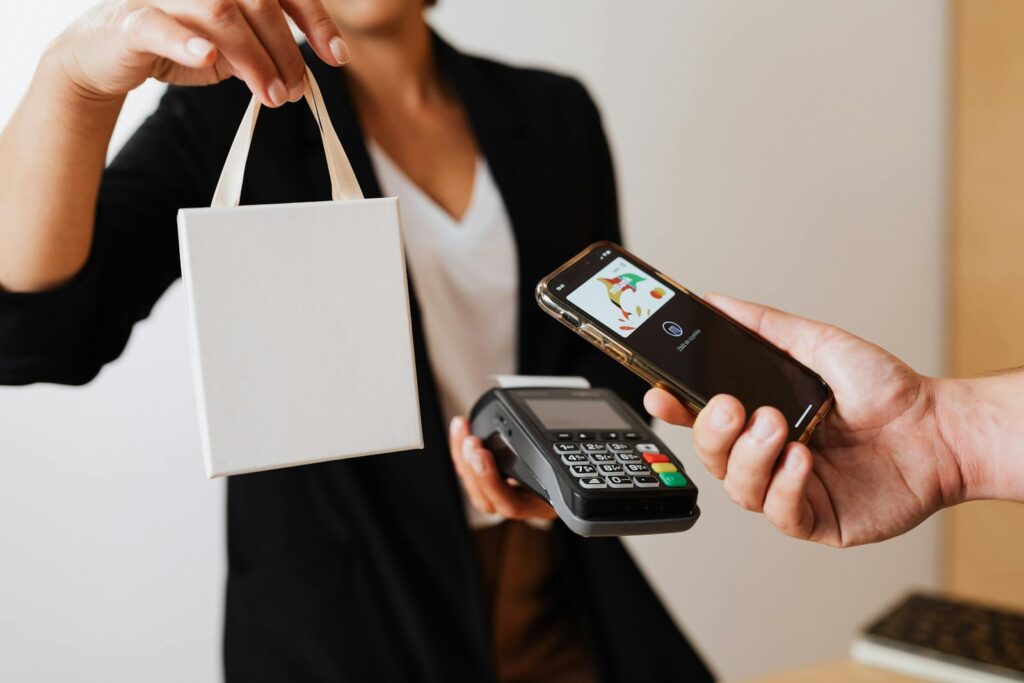
While bag fees grab attention, they are not the only surprise charges creeping into the checkout experience. Many merchants are experimenting with credit card surcharges and cash discount programs that shift processing costs directly onto customers who tap or swipe. A detailed industry post from Aug explains how More Relevant Posts and RevUp Transactions promote strategies to lower payment costs, noting that RevUp Transactions has 593 followers and that Your processing statement should not need a decoder ring to understand the impact of surcharge and cash discount programs.
For shoppers, the effect is similar to a bag fee, a small percentage added at the end that feels disconnected from the price on the shelf. When a store adds a card surcharge on top of new bag charges, the total can jump by several dollars on a modest purchase, especially if the customer is also paying sales tax. The growing use of these programs shows how retailers are trying to pass along more of their own costs, but it also feeds the perception that every part of the checkout process now carries a separate fee.
Consumers are pushing back on swipe fees
There is evidence that customers are not quietly absorbing these extra card costs. A recent survey of merchants found that a third of businesses reported customers cancelling purchases when a credit card surcharge was included in their bill, at least some of the time. That kind of behavior suggests that shoppers are willing to walk away rather than pay a fee they see as unfair or poorly explained, especially when they only discover it at the very end of the transaction.
The same research indicates that many consumers are changing how they pay, shifting to debit, cash, or store specific apps to avoid swipe fees that are now being passed through more transparently. When that shift collides with new bag charges and other add ons, the checkout counter becomes a negotiation over which combination of payment method and packaging will cost the least. For retailers, the risk is clear, if too many customers feel nickel and dimed, they may not just cancel a single purchase, they may decide to shop somewhere else entirely.
Walmart, Target and the future of card costs
The tension over card fees is also playing out at the highest levels of retail. A major settlement reached in November 2025, still awaiting court approval, would give giants like Walmart and Target more flexibility in how they handle credit card costs. While the agreement is not yet final, it could allow brands that accept certain cards to steer customers toward cheaper payment types or to be more selective about which networks they honor, especially if they feel swipe fees are too high.
Coverage of the settlement explains that While the court process continues, Walmart and Target are already weighing how new rules might change their checkout strategies, including whether to offer discounts for lower cost payment options or to highlight surcharges more prominently. For everyday shoppers, the outcome could mean even more variation in how card payments are treated from one store to another, adding another layer of complexity to decisions that used to be as simple as pulling out a preferred card.
Why shoppers say “it adds up fast” and what to do about it
When I talk to consumers about these changes, the phrase I hear most often is the same one turning up in coverage of new bag rules, it adds up fast. A family that pays 12 cents per plastic bag, 8 cents for paper, and a 10 cent paper fee in a city like Philadelphia can easily spend several extra dollars a week just on packaging, especially if they shop at multiple stores. Add a card surcharge on top of that, and the gap between the advertised price and the final total grows wide enough to feel like a broken promise.
There are a few practical ways to push back. Shoppers can bring their own reusable bags to avoid carryout charges, pay with lower cost methods where surcharges apply, and favor retailers that clearly disclose all fees up front. At the same time, policymakers and large chains have a responsibility to explain why these charges exist and how the money is used, whether for environmental programs, compliance costs, or payment processing. Without that transparency, even well intentioned policies risk being seen as just another surprise checkout fee in a system that already feels stacked against the people standing in line.
More from Decluttering Mom: