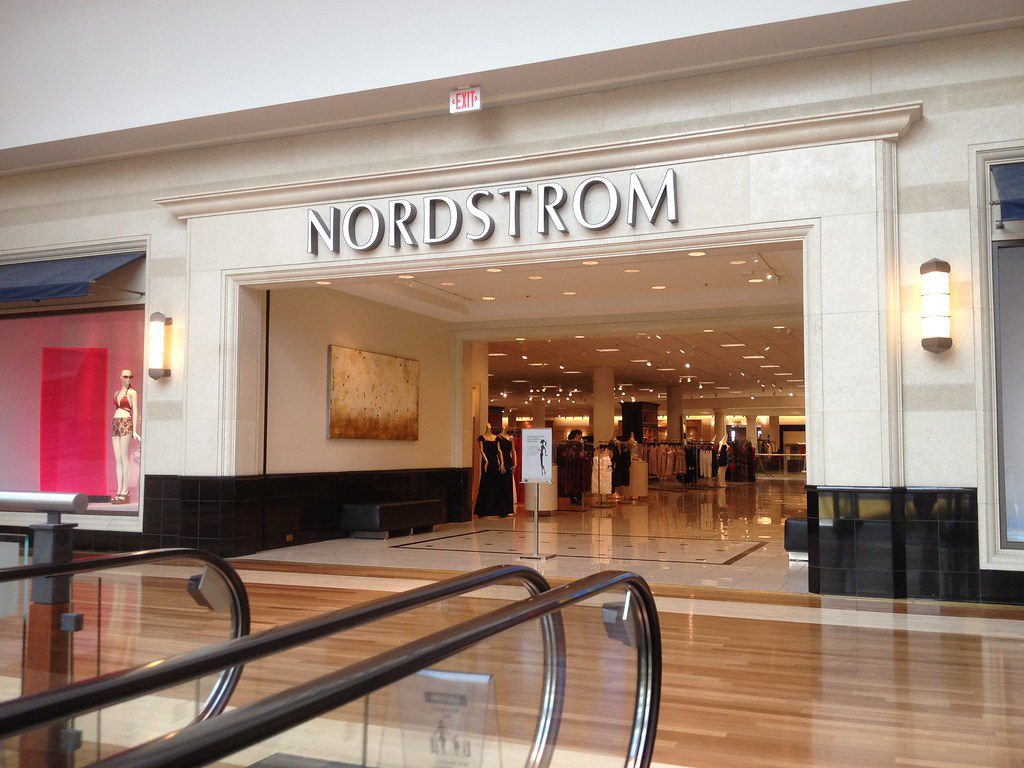
Major chains are leaning into physical retail in 2026, with fashion, books, off-price and discount players all mapping out aggressive expansion plans across the United States. Nordstrom Rack, Barnes & Noble and several other brands are collectively preparing to open scores of new locations, reshaping shopping corridors from suburban power centers to downtown streets. Together, their announced projects add up to a wave of roughly 160 planned openings, a figure drawn from their own expansion disclosures and tallied across the brands highlighted below.
How the 160-store expansion wave comes together
Retailers are not moving in lockstep, but their individual plans add up quickly. Barnes & Noble has outlined a program of 60 new bookstores, Nordstrom Rack is adding more than a dozen discount fashion outlets, and other chains such as BJ’s Wholesale Club, TJX banners and Dollar General are layering on dozens or even hundreds of additional sites. When those commitments are combined with smaller rollouts from specialty and value concepts, the total reaches approximately 160 new locations tied to the marquee brands featured here, a subset of a much larger national expansion trend.
The figure sits within a broader surge in brick and mortar growth. One industry tracker reports that retailers have already announced more than 1,000 store openings for 2026, with companies like 7‑Eleven, Abercrombie & Fitch Co., Aerie and Aldi among those planning new units, and the same analysis notes that retailers plan to add more than 1,100 new stores overall. That context helps explain why several chains, including Nordstrom Rack and Barnes & Noble, are comfortable committing to dozens of locations at once, even as they fine tune formats and pick off real estate left behind by weaker competitors.
Barnes & Noble’s 60-store comeback
The most dramatic single expansion comes from Barnes & Noble, which is leaning into a physical revival after years of contraction. The bookseller has said it plans to open 60 new stores in 2026, a rollout that will touch Ohio, Texas, Florida, Illinois, Colorado, Washington state, California, Virginia, Georgia and additional markets as it rebuilds a national footprint. That push follows a period in which Barnes & Noble locations became rarer in many communities, and the company is now betting that curated assortments, local store autonomy and a renewed focus on print can support a larger network of shops.
Commentary around the chain has framed Barnes & Noble as “maybe the greatest comeback story of the last couple years,” a nod to how the brand has shifted from being ubiquitous to nearly disappearing in some regions before returning with smaller, more neighborhood-focused stores. Coverage of stores and restaurants opening in 2026 underscores that Barnes & Noble is again becoming a growth story, with new sites planned in places like Washington, D.C., and cities across Georgia as part of that 60-store plan. The company’s own site, which promotes events, preorders and membership perks, reinforces how the physical stores and the online platform are meant to work together rather than compete.
Nordstrom Rack’s off-price push
Nordstrom Rack is pursuing a parallel strategy in off-price fashion, using new stores to reach value-conscious shoppers who still want branded apparel and accessories. One national roundup of 2026 openings notes that Nordstrom Rack, described as a discount store, will open 14 stores across 10 states, including markets such as Rockville, Maryland, as it fills in gaps in its coverage. Those units are designed to complement full-line Nordstrom stores while capturing customers who increasingly gravitate toward treasure-hunt experiences and lower price points.
Separate reporting highlights that Nordstrom Rack will also open five new U.S. stores in 2026, including a 23,700 square foot location in Massachusetts at Mansfield Crossing, a retail destination owned and managed by WS Development, illustrating how the chain is targeting established open-air centers. The brand’s own digital storefront showcases the off-price assortment and signals where new stores are coming, reinforcing that physical expansion is central to its growth plan. Together, the 14-store slate and the additional five locations show Nordstrom Rack leaning into a multi-market push that accounts for a meaningful share of the 160-store total.
Other fashion and specialty chains joining the build-out
Beyond Nordstrom Rack, a range of apparel and specialty retailers are adding stores in 2026, contributing to the cumulative expansion. Industry tracking of weekly U.S. store openings and closures shows that companies such as 7‑Eleven, Abercrombie & Fitch Co., Aerie and Aldi are among those planning new locations, with more than 1,000 openings already on the books for the year. While not all of those units fall within the 160-store subset tied to the headline brands, they illustrate how fashion, convenience and grocery players are all leaning into growth at the same time.
Lists of popular chains planning new store openings in 2026 also point to a mix of retailers and restaurants that are in expansion mode, from regional travel centers to national specialty concepts. These reports emphasize that They are not just adding units for the sake of scale, but often tailoring formats to specific communities, whether that means smaller footprints, drive-thru heavy layouts or experiential elements. That same logic applies to the fashion and specialty chains highlighted here, which are using new stores to test concepts and reach underpenetrated trade areas rather than simply replicating older big-box designs.
Discount and warehouse clubs: BJ’s and Dollar General
Value-focused retailers are another major pillar of the 2026 build-out. One analysis of stores and restaurants opening new locations notes that BJ’s Wholesale Club, a competitor to Costco and Sam’s Club, plans to open nine new stores in 2026, expanding its membership-based warehouse model into additional suburbs. The report, illustrated with a Bob R. / Yelp image, underscores how BJ’s Wholesale Club is positioning itself as an alternative to larger rivals by targeting markets where shoppers want bulk savings but may not yet have a nearby club option.
On the smaller-box side of value retail, Dollar General is preparing for an even more aggressive year. A breakdown of major openings states that Dollar General plans to open 450 stores in 2026, a figure that dwarfs most other chains and reflects the company’s strategy of saturating rural and exurban areas. That same report notes that store closures reached over 4,100 in a recent period, so the 450-store expansion by Dollar General stands out as a countertrend, signaling that discount formats with tight assortments and low prices still see room to grow even as other retailers retrench.
TJX banners and the off-price boom
Off-price retail is not limited to Nordstrom Rack. TJX, described as the leading off-price retailer operating stores under the T.J. Maxx, Marshalls and HomeGoods banners, plans to add 130 new stores in 2026, according to an analysis of retailers’ expansion plans. That 130-store figure is one of the largest single-company commitments in the current cycle and reflects TJX’s confidence that shoppers will keep hunting for branded merchandise at a discount, especially as inflation and higher interest rates pressure household budgets.
The same report situates TJX within a broader group of retailers that collectively plan to add more than 1,100 new stores in 2026, reinforcing how off-price has become a core growth engine for brick and mortar. For the purposes of the 160-store tally, only a portion of those 130 TJX units are counted alongside Nordstrom Rack and Barnes & Noble, but the scale of the company’s program helps explain why landlords and developers are still eager to carve out space for discount apparel and home goods. Together, these off-price banners are reshaping tenant mixes in power centers and neighborhood centers alike.
How analysts arrive at the 160-store figure
The approximate 160-store total associated with Nordstrom Rack, Barnes & Noble and the other highlighted chains is not a single corporate announcement, but a composite of individual expansion plans. Barnes & Noble’s 60 new stores, Nordstrom Rack’s 14-store slate across 10 states plus five additional U.S. locations, BJ’s Wholesale Club’s nine new warehouses and a selected slice of TJX’s 130-store program form the backbone of the count. Layered on top are smaller additions from other chains featured in roundups of stores and restaurants opening in 2026, which collectively push the number toward that 160 mark.
One consumer-focused report explicitly notes that Nordstrom Rack, Barnes & Noble and more will open 160 new locations in 2026 as stores share a full list of planned sites, describing how Several major chains are expanding into cities like New York City and replacing bankrupt retailers in key shopping corridors. That same coverage frames the 160 figure as a way to capture the scale of the combined expansion by these brands, rather than a comprehensive tally of every store opening nationwide. In other words, the 160-store number is best understood as a curated snapshot of high-profile growth plans, anchored in the specific chains that are drawing the most attention from shoppers and landlords.
Where the new stores are going
Geography is central to how these openings will reshape the retail map. Barnes & Noble’s 60-store plan spans states such as Ohio, Texas, Florida, Illinois, Colorado and Washington, as well as California, Virginia and Georgia, signaling a mix of Sun Belt growth and reinvestment in established markets. Additional reporting on stores and restaurants opening in 2026 highlights that Barnes & Noble is returning to urban centers like Washington, D.C., and other major cities, often in smaller footprints that fit into mixed-use developments or renovated downtown buildings.
Nordstrom Rack’s 14-store rollout across 10 states, including Rockville, Maryland, and its separate five-store slate that features a site at Mansfield Crossing in Massachusetts, shows the chain targeting both suburban power centers and regional open-air destinations. The broader list of 160 locations tied to Nordstrom Rack, Barnes & Noble and their peers includes projects in New York City and other dense markets where retailers are backfilling space left by bankrupt brands. In parallel, Dollar General’s 450-store program and BJ’s Wholesale Club’s nine new warehouses will push deeper into rural communities and fast-growing suburbs, ensuring that the 2026 expansion wave touches a wide range of ZIP codes.
What it means for shoppers and struggling malls
For consumers, the surge in openings means more choice and, in many cases, shorter drives to reach favorite chains. New Barnes & Noble stores give readers additional places to browse and attend events, while Nordstrom Rack and TJX banners like T.J. Maxx and Marshalls expand the number of off-price fashion and home options. BJ’s Wholesale Club’s nine new locations and Dollar General’s 450-store build-out will increase access to bulk goods and low-priced essentials, particularly in areas that have lost full-service supermarkets or department stores.
For landlords and local economies, the 160-store slate tied to Nordstrom Rack, Barnes & Noble and other highlighted chains offers a partial answer to the question of what fills the void when retailers close. Coverage of the 160 planned locations notes that Several of these new stores are moving into spaces vacated by bankrupt retailers, helping stabilize shopping centers that might otherwise struggle with high vacancy. At the same time, industry trackers that monitor weekly openings and closures caution that store closures still number in the thousands, so the 2026 expansion wave is less a full reversal of retail contraction and more a targeted reshuffling, with strong brands stepping into the best-located spaces and leaving weaker sites behind.
More from Decluttering Mom: