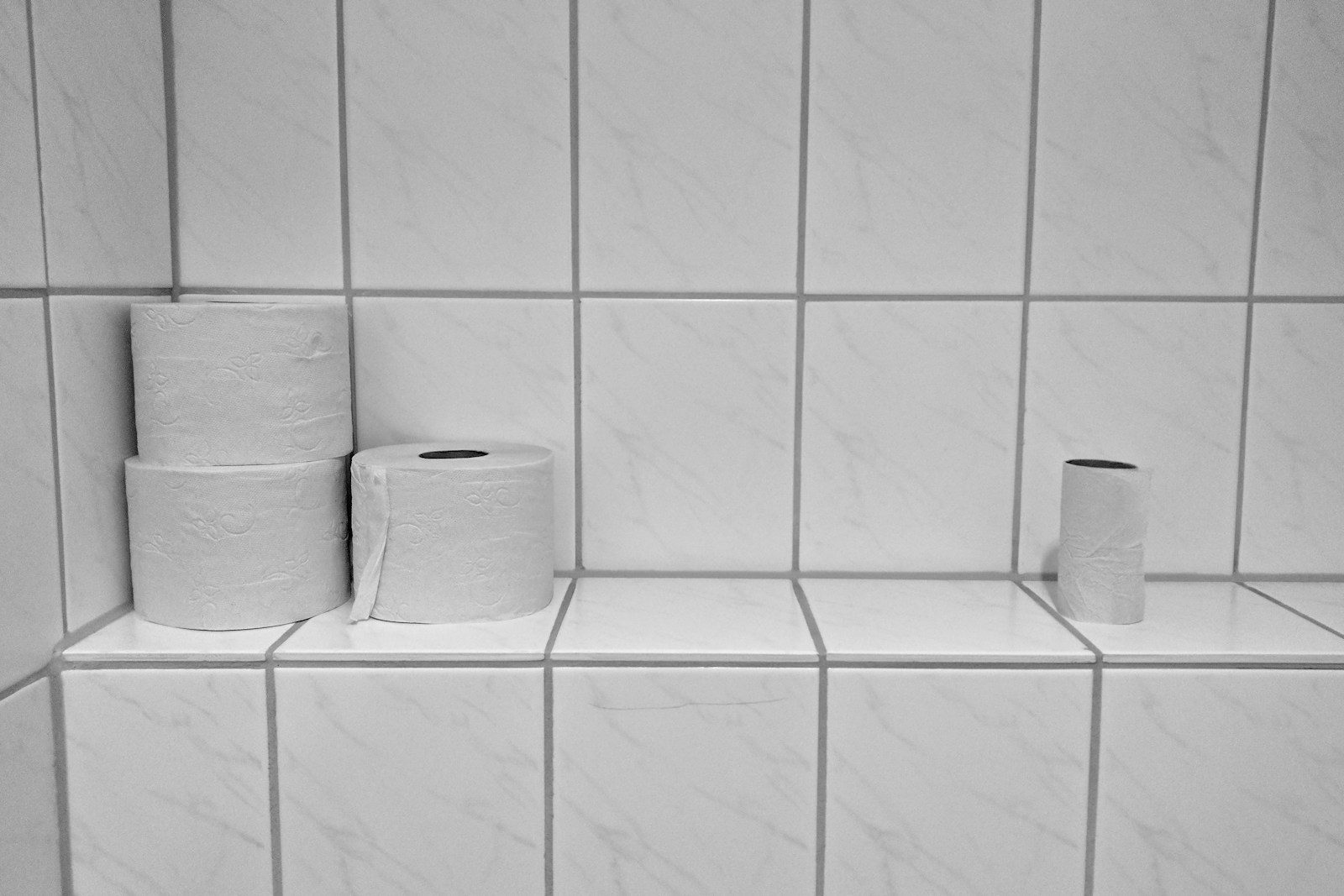
When a woman in North Carolina ducked into her mother’s bathroom, she expected the usual quick visit, not a minor family mystery. Only after she washed her hands did she notice something odd about the toilet paper, prompting her mom to casually explain, “I got it at the yard sale,” as if that cleared everything up. In a few seconds, a mundane roll turned into a snapshot of aging, thrift, and the strange ways parents keep surprising their adult kids.
That tiny moment, tucked into an ordinary day, hits a nerve because it feels so familiar. Adult children are constantly recalibrating how they see their parents, especially as those parents get older and their habits harden into quirks. A roll of bargain toilet paper from a stranger’s driveway suddenly becomes a stand-in for all the quiet questions about safety, independence, and how much to push back when Mom insists she knows exactly what she is doing.
‘I Got It at the Yard Sale’: When Frugality Gets Weird
The North Carolina daughter’s story starts like countless visits home, with a quick stop in the hallway bathroom and a mental checklist of what looks different since the last trip. The toilet paper caught her eye because it did not look like anything she would have bought herself, and the texture and packaging felt off in a way she could not quite place. When her mother explained that she had picked up the rolls at a yard sale, the daughter was left juggling two competing reactions: admiration for the bargain-hunting instinct and a quiet alarm that bathroom staples were now coming from someone’s folding table in the driveway, a detail captured in the simple line, “I got it at the yard sale.”
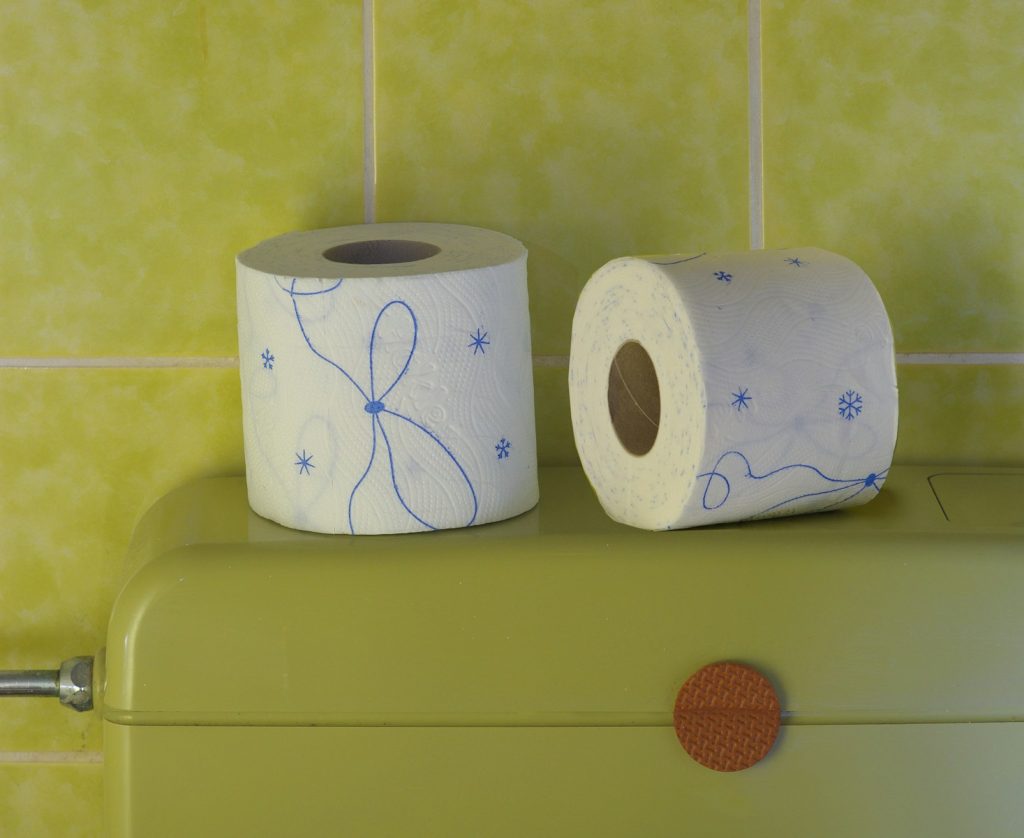
That one sentence lands with more weight than the mother probably intended. For the daughter, it is not just about secondhand toilet paper, it is about watching a parent’s world narrow to coupons, neighborhood sales, and small economies that make sense only inside their own head. The mention of North Carolina and the way the story is framed around “Then she looks at the toilet paper” and the word “Middle” in the reporting underline how quickly a routine visit can pivot into a middle-of-life reckoning with how aging parents manage money, health, and risk. The daughter is left to decide whether to laugh it off, quietly replace the rolls, or start a harder conversation about what corners should never be cut, even in the name of thrift.
The Strange Social Life of Toilet Paper
Toilet paper has a way of showing up in family stories that are less about hygiene and more about identity, and the North Carolina yard sale roll fits neatly into that tradition. Online, one of the most shared examples is a clip of a house that has been completely covered in toilet paper, a classic prank that could have sparked fury but instead turned into a viral moment because the mother’s response was so unexpectedly calm and amused. In that video, the reaction from Aub and the rest of the family flips the script, turning a mess into a kind of neighborhood performance, proof that even a driveway full of soggy paper can become a story about grace under pressure.
Inside the house, the stakes feel smaller but the emotions can run hotter. One writer describes being “horrified” when her daughter married a “back roller” and refused to change the way the toilet paper hung on the wall, a domestic standoff that she jokingly framed as more upsetting than “those politics,” a line that appears in her essay right after the word “But.” The North Carolina mother’s yard sale stash sits in the same emotional neighborhood, a reminder that people project their values onto the roll on the wall, whether that is thrift, order, rebellion, or just a stubborn refusal to change what has “always” worked.
From Time Capsules to Quiet Check-ins
Toilet paper even shows up in stories that have nothing to do with bathrooms at all, which is part of why the North Carolina anecdote resonates beyond one family. In one case, a woman renovating a space uncovered a roll that had been turned into a tiny time capsule, complete with a handwritten message from a child tucked alongside an old sink, a vintage cap, and some used overalls. The discovery was described as “really cute,” and the report notes that “She” had obviously meant for someone in the future to find it, turning a disposable object into a bridge between decades.
Set against that kind of long-view nostalgia, the North Carolina mother’s yard sale bargain looks less like a punchline and more like a snapshot in an ongoing family archive. The daughter’s unease about the secondhand rolls sits alongside memories of childhood bathrooms, teenage pranks, and the quiet rituals that define a household. Whether it is a kid hiding a note in a cardboard tube, a parent shrugging off a prank with a smile, or an older mom proudly explaining that she scored a deal at a neighborhood sale, these stories all hinge on the same thing: small, ordinary objects that accidentally reveal how people care for each other, how they save, and how they hold on to control as the years stack up.
More from Decluttering Mom: