You see a price that looks too good to be true. A name-brand item at half off, a limited-time deal, a countdown clock ticking in the corner. Some part of you whispers that something is off, and then you click buy anyway.
According to a new Norton survey, you are far from alone. The security company reports that 35% of Americans bought something they suspected might be a scam because the deal was too good to pass up.
With the holiday shopping season starting, here is what the survey found and how to shop smarter.
The numbers come from Norton’s 2026 holiday shopping scams report, a survey of 13,000 adults in 12 countries conducted by Dynata from September 10 to 30, 2026.
Norton Says 35% Of Americans Bought Despite Suspecting A Scam
That number is the one that stops you. More than a third of Americans, in Norton’s survey, said they went ahead with a purchase they thought might be fake because the price was too tempting.
It is an understandable instinct. Prices are high, budgets are tight and a bargain feels like a win. Scammers know that and build their offers around it.
The deal itself is the bait, and the feeling of getting a steal is what makes people ignore their own doubts.
1 In 6 Shoppers Were Scammed, And Victims Who Lost Money Averaged $394
Norton reports that 16% of Americans say they were scammed while holiday shopping online. Among Gen Z the figure jumps to 25%.
For those who actually lost money, the average loss was $394. That is real grocery money, a utility bill or most of a holiday gift budget gone to a fake store.
The survey also found that 40% of people say they see more scam ads on social media than before. Those ads are often where a fake store first gets in front of you.
Fake Stores Are Multiplying Fast
Norton says it blocked more than 526,000 fake store domains between October and December 2025. That was about double the number from the year before.
A fake store looks like a normal website, with photos, a cart and a checkout page. The goal is to take your payment details or your money and send nothing, or send something far worse than advertised.
Because they are cheap and quick to build, new ones appear every day. Blocking half a million is a big number, and it shows how many are out there.
One Thing To Keep In Mind About The Source
Norton is a software company that sells security products, so it has a business interest in people worrying about scams. The numbers come from a survey, which reflects what people said about their own experiences.
That does not make the advice wrong. The tips below match what consumer protection agencies have long recommended.
Seven Habits That Keep Your Holiday Money Safe
Norton’s advice is simple and does not need special software. These habits work for any shopper, any age.
- Skip the ads. Instead of clicking a deal in a feed, type the retailer’s address into your browser yourself.
- Check the web address for typos or odd spellings. A single swapped letter can be the giveaway.
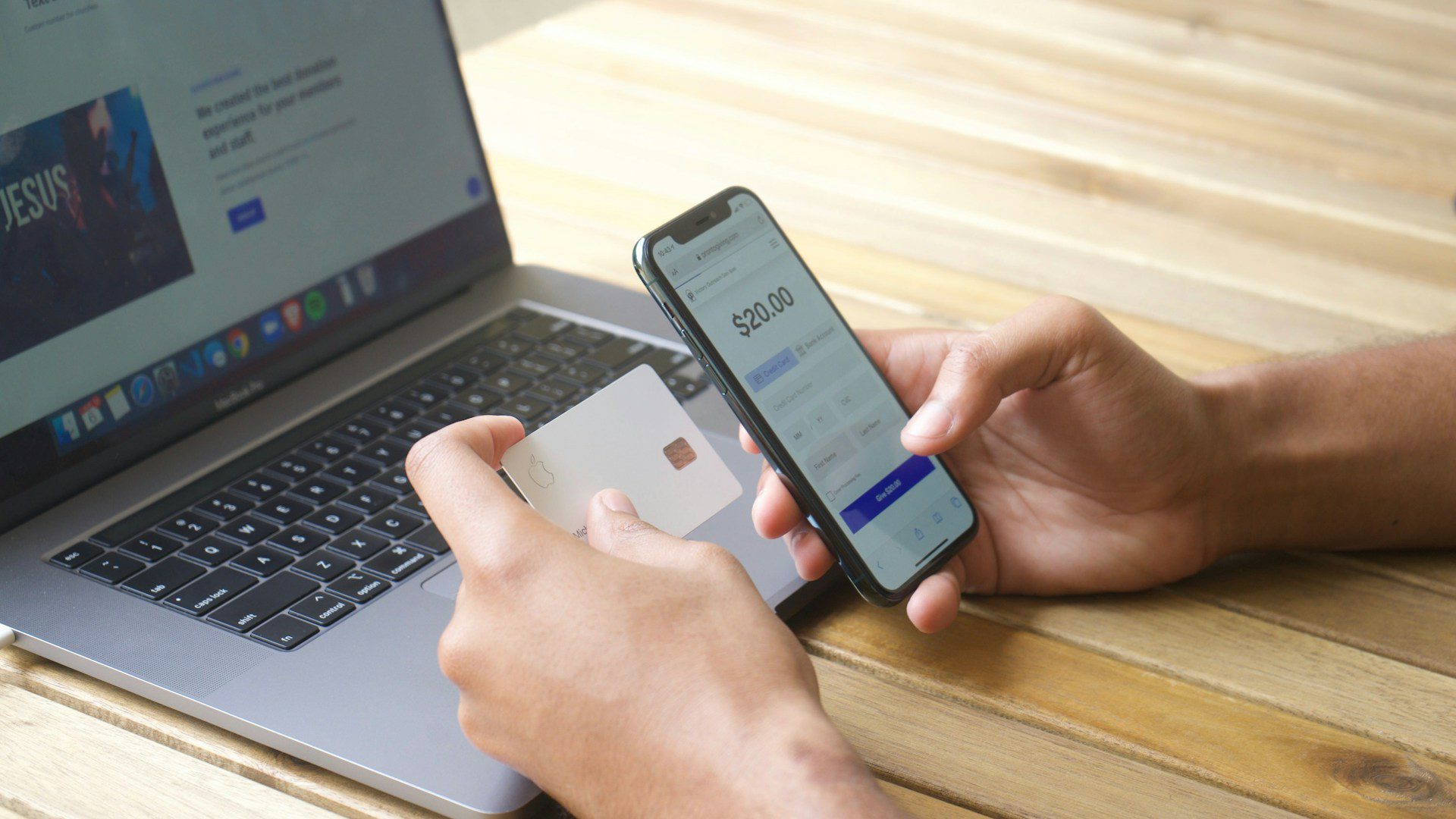
- Pay with a credit card or a service that offers buyer protection, so you can dispute a charge.
- Avoid bank transfers, gift cards and cryptocurrency. Once that money moves, it is almost impossible to get back.
- Track your packages in the official app of the store or carrier, not through links in a text or email.
- Be suspicious of prices far below every other store. A real discount rarely beats everyone else by half.
- Pause before you click. The scammer wants you to hurry, so slow down on purpose.
Why A Credit Card Beats A Gift Card Every Time
When you pay with a card that has buyer protection, you can usually dispute a charge if the item never shows up. That safety net is exactly what scammers do not want you to have.
Gift cards, wire transfers and crypto are favorites for fraud because they are hard to trace and nearly impossible to reverse. If a seller asks for one of them, treat that as a red flag all by itself.
Keep your confirmation emails and screenshots of the listing. If something goes wrong, you will want a record.
Talk To The People You Love Before The Rush
The survey found that younger shoppers, not only seniors, are getting caught. Gen Z reported the highest rate at 25%, so this is a conversation for the whole family.
Mention it at the next dinner or in the family group chat. A two-minute warning could save a teenager or a grandparent a few hundred dollars.
The Bottom Line For Your Wallet
The holiday season will bring many real deals and plenty of fake ones. The difference often comes down to where you click and how you pay.
Type the address yourself, use a card with protection and trust your gut when a deal looks wrong. You were right to be suspicious, and the 35% who bought anyway are a reminder that a good price is not worth ignoring your own instincts.
More Stories You May Like
- Average Car Is Now 13 Years Old, Yet Half Of Americans Aged 15 To 45 Feel Pressured To Spend Like Everyone Online, And 51% Admit They Overspent To Impress Someone
- 11 Things Every American Household Had In The 1970s
- 8 Everyday Items That Can Be Surprisingly Difficult To Recycle, And What To Check Before Tossing Them Into The Blue Bin