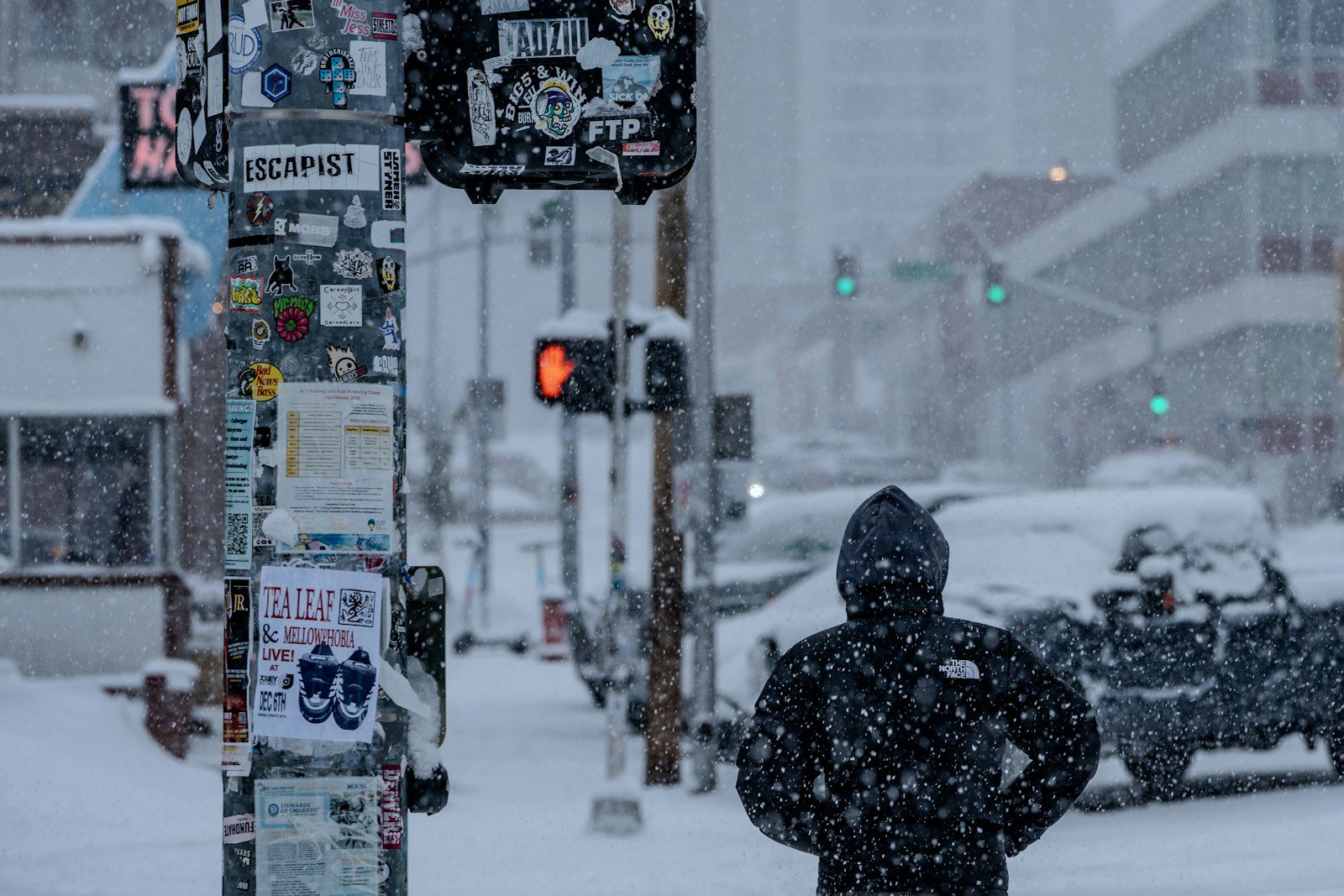
A brutal winter storm has tightened its grip on the central United States, bringing dangerous cold, deep snow and at least one confirmed death in Kansas. The system has turned routine commutes and short walks into life-threatening gambles as wind chills plunge and visibility disappears in blowing snow. From the Plains to the East Coast, the same sprawling weather pattern is now linked to a rising national death toll and hundreds of thousands of people left in the dark and cold.
In Kansas, the fatality involves a woman who vanished in whiteout conditions and was later found not far from where she was last seen, a stark reminder of how quickly this kind of weather can turn deadly. Officials across multiple states are now juggling search efforts, power restoration and basic shelter needs as the storm’s snow, ice and subzero air continue to settle in.
The Kansas fatality that set off alarms
Authorities in Kansas say the local death that has drawn national attention began as a missing person case, after a woman failed to return home during the height of the storm. She was last seen on a neighborhood camera late on a Friday night, bundled up but walking alone into deteriorating conditions that had already coated streets and sidewalks in snow and ice. When she did not show up where she was expected, family members contacted police, who launched a search in the bitter cold.
Investigators later found her body covered in snow near her last known location, close enough that it underscored how disorienting the storm had become. In a separate but similar case, officers in another part of the state reported that a Jan elementary school teacher who went missing was later discovered dead only 300 yards from where she was last seen on video, a distance that would normally be a quick walk but turned lethal once the snow and wind closed in.
How the storm turned deadly so quickly
The broader winter system did not just bring a picturesque blanket of snow, it delivered a fast drop in temperatures and a mix of freezing rain, sleet and heavy flakes that made travel treacherous. As the cold air poured in behind the main band of precipitation, roads that had been merely slushy hardened into sheets of ice, catching drivers and pedestrians off guard. Emergency managers say that kind of rapid change is exactly when people underestimate the risk, stepping outside for what they think will be a short errand and finding themselves stranded in wind chills that can cause frostbite in minutes.
Across the country, the same pattern has played out in different ways, from spinouts on interstates to people collapsing outdoors after being exposed too long. In one live update, officials tracking the storm’s progress noted that the body of a was found covered in snow near her last known location, while other reports tied the same system to a growing list of fatalities in multiple states as the bitter air settled in behind the departing clouds.
A national death toll that keeps climbing
What happened in Kansas is part of a much larger and more sobering picture. As the storm swept from the Plains toward the Northeast, officials began tallying up deaths linked to crashes, exposure and accidents in the snow. By the time the system had moved offshore, at least 18 people across the United States were reported dead, a number that reflects how wide the storm’s footprint has been and how many different ways severe winter weather can turn fatal.
In one major city, Five people died in New York City alone as the storm’s snow and ice moved through, while In Massachusetts, a woman was killed after a snow plow backed into her in a parking lot. A separate national tally described how the Number of Dead to 9 in one early count, including an Including Elementary School, before later updates pushed the total higher as reports came in from additional states.
Kansas in the context of a multi-state crisis
For Kansans watching the snow pile up outside their windows, it can be tempting to see this as a local disaster, but the numbers show a storm that has stretched emergency services from the Gulf Coast to New England. The same system that brought whiteout conditions to the Plains also dropped heavy snow on big East Coast cities and coated southern highways in ice. That wide reach has forced state and local agencies to compete for resources, from road salt to mutual aid crews, even as they try to keep up with calls for help at home.
National briefings have highlighted how the storm’s impacts are spread across many states, with Three deaths reported in Tennessee, two in Louisiana and one in Kansas among the early confirmed fatalities. Aviation has not been spared either, with Over 3,000 flights canceled as airlines tried to avoid sending planes into the teeth of the storm.
Power outages and the brutal cold behind them
Even for people who managed to stay off the roads, the storm has found other ways to reach into their lives. Heavy, wet snow and strong winds have snapped tree limbs onto power lines, while ice has built up on poles and transformers, knocking out electricity to entire neighborhoods. For families suddenly without heat, the timing could not be worse, with Arctic air pouring in behind the storm and driving temperatures into the single digits or lower across huge swaths of the country.
At one point, at least 18 people had died while more than 800,000 power outages were still being reported as crews struggled to restore service in the cold. A separate accounting of the storm’s reach described a Winter Storm That hundreds of thousands Without Power across states including Massachusetts, Tennessee and Texas, a reminder that the grid remains vulnerable when extreme weather hits multiple regions at once.
Why this system packed such a punch
Meteorologists have been clear that this is not just an ordinary cold front, but part of a larger pattern that has been building over North America this winter. A strong low pressure system tapped into Gulf moisture and then collided with Arctic air dropping south, creating a classic setup for heavy snow, ice and dangerous wind chills. Once the storm center moved offshore, the cold air behind it rushed in, locking in the snowpack and keeping temperatures low enough to turn every unplowed side street into a frozen obstacle course.
Climatologists tracking the season’s weather point to the North American pattern that has favored strong winter storms, with repeated shots of cold air and active storm tracks crossing the continent. In that context, the current system is part of a series of disruptive events rather than a one-off fluke, and it has already prompted governors in multiple states to issue emergency declarations and mobilize National Guard units to help with rescues, warming centers and transportation snarls.
Local stories behind the statistics
Behind every number in the storm’s death toll is a family suddenly facing the kind of loss that feels both random and preventable. In Kansas, relatives of the woman who died after going missing in the snow are left replaying her last known steps, wondering whether a delayed phone call or a different route home might have changed the outcome. Neighbors who saw her on security footage have described the surreal feeling of watching someone walk past their front door and then learning later that she never made it home.
Elsewhere, the stories are just as wrenching. In one northeastern city, the families of the Five people who died in the storm are navigating funerals and insurance calls while still digging out from the snow. In the Midwest and South, relatives of those killed in crashes or found outdoors are balancing grief with practical questions about housing, work and school closures, all while the cold lingers and the risk of additional incidents remains high.
How officials are responding on the ground
Emergency managers in Kansas and beyond are now in the familiar but exhausting rhythm of winter disaster response. That means round-the-clock plowing, constant updates to road condition maps and a steady stream of alerts urging people to stay home unless absolutely necessary. Police departments have shifted officers to welfare checks, knocking on doors in neighborhoods hit by power outages to make sure older residents and people with disabilities have heat, food and a way to call for help.
At the state and national level, leaders are leaning on the same playbook that has been used in other recent cold weather crises, but with a sharper focus on communication after the latest News Headlines about deaths and outages. Briefings have emphasized the “Extremely cold air” behind the storm and the need for people to check on neighbors, avoid carbon monoxide risks from improvised heating and pay attention to evolving forecasts as another round of snow and ice remains possible.
Staying safe as the cold lingers
For residents in Kansas and across the storm’s path, the immediate question is how to get through the next several days safely while the cold hangs on. Public health officials are urging people to think in layers, both in terms of clothing and planning. That means dressing in multiple thin layers instead of a single heavy coat, keeping a go bag in the car with blankets and snacks, and making sure phones are charged before heading out in case a quick trip turns into a long wait on the side of the road.
They are also reminding people that the danger does not end when the snow stops falling. Black ice can linger on bridges and side streets long after plows have passed, and the kind of bitter air trailing this system can turn a stalled car into a medical emergency in short order. As one Jan update on the storm made clear, the combination of deep snow, strong wind and subfreezing temperatures is exactly what turns short walks into life-threatening journeys, a lesson that Kansas has now learned in the hardest possible way.
More from Decluttering Mom: