Every parent knows the script: school comes first, attendance matters, and sick days are for actual fevers, not fun. Yet one mom quietly broke that rule, calling her daughter in sick so they could sneak away for a memory-making day together, and she is not losing sleep over it. Her choice taps into a bigger conversation about what kids really remember, and why some parents are starting to treat the occasional “mental health day” as just as valuable as another worksheet.
Rather than seeing her move as rebellion, this mom treated it as a reset button for both of them, a chance to step out of the grind and be fully present. The reaction online, from laughter to full-throated support, suggests plenty of families are wondering if the occasional rule-bending day might be exactly what keeps everyone sane.
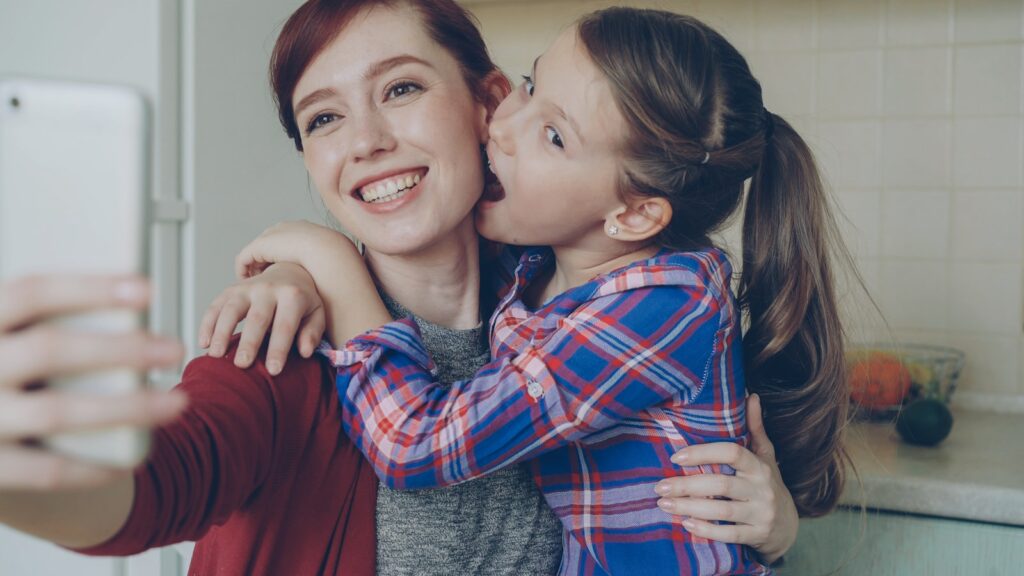
The viral sick-day switch and why it hit a nerve
The idea of bending attendance rules has been playing out in real time on social feeds, where one Instagram clip shows a Mom picking up her “sick” 5-year-old daughter from school, only for the little girl to discover she is actually headed to a concert instead of the couch. The child’s confusion flips to wide-eyed delight, and the video leans into that moment when kids realize their parents are capable of surprise and spontaneity. That same energy sits behind the mom who called her daughter in sick for a day together, a quiet decision that says connection sometimes outranks routine.
Parents watching that kind of reel are not just seeing a cute reaction shot; they are seeing a version of a choice they have either made or secretly wanted to make. The mother in the concert video talks about what she has learned from carving out special time, and it mirrors what many parents say when they defend the occasional fake sick day: that a single missed morning of phonics will not undo a year of learning, but a day of feeling deeply seen by Mom might stick for decades. For families constantly juggling work, homework, and extracurriculars, that tradeoff can feel less like rebellion and more like survival.
Confessions, comedy, and the culture around “bad mom” moments
That tension between “good mom” expectations and real-life choices has become ripe material for comedy. In one TikTok sketch from @Saturday Night Live, a Mom sits her family down for a big reveal framed as a serious confession, only to veer into absurd territory. The bit is labeled a “Mom’s Confession: A Hilarious SNL Moment,” and it plays with the idea that mothers are always supposed to be earnest, selfless, and perfectly aligned with every rule. The humor lands because so many viewers recognize the pressure behind the punchline.
On Instagram, another video tagged as “mom has something to confess” zooms in on a character named Jan who starts with the words, “What I have to tell you is I may have changed my mind about Trump.” The clip quickly spirals, as Jan is interrupted with “What,” “Stop,” “You,” and “Yes” in a rapid-fire back and forth that turns a serious setup into a chaotic joke. The conversation in that Instagram reel never really becomes a political debate; it becomes a send-up of how dramatic “confessions” can sound inside families. When a mom later admits she called her daughter in sick for a day of fun, it lands in the same category: huge in her head, far more relatable and funny to everyone else.
From momcations to “mental health days,” parents are quietly rewriting the rules
Behind the jokes is a real shift in how parents think about rest. Travel brands now openly market the idea of a “momcation,” a trip where mothers step away from their kids on purpose, and some even argue that a few days away can make them more patient and present when they come back. One resort guide notes that in years past there was open condemnation of a mother getting away from her kids, even for a short break, but now far more people are in support of the concept of a dedicated momcation. If adults are finally allowed to say they need time off, it follows that kids might sometimes need a break from the grind too.
Educators still stress that consistent attendance matters, and one guide on school participation points out that there is a clear link between showing up and long-term outcomes. Yet that same resource notes a recent trend of parents taking kids out of school for special parent-child time, often called a “mental health day,” and frames those missed days as a chance to build connection when used sparingly. The piece on school attendance does not give anyone a free pass to ignore the rules, but it does quietly validate what the sick-day mom felt in her gut: that once in a while, the relationship is the lesson.
More from Decluttering Mom: