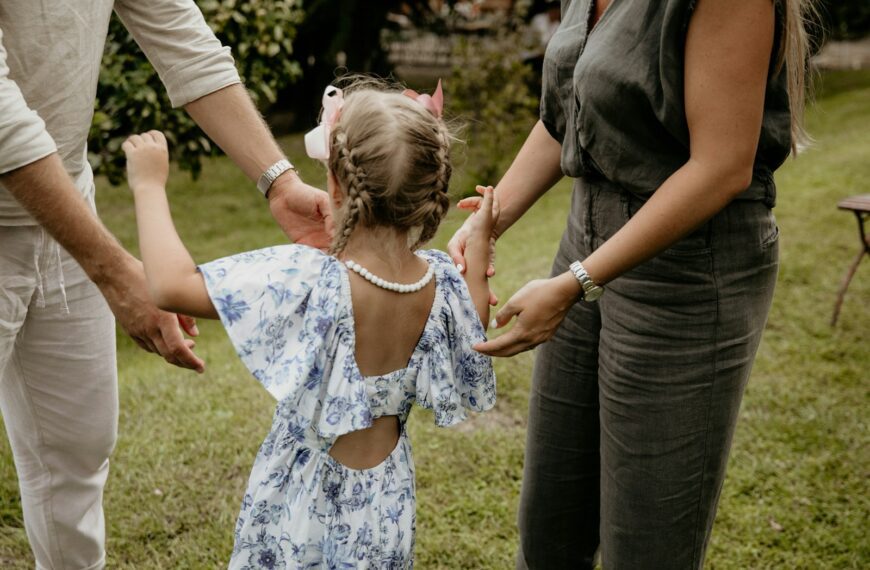
You feel a quiet ache when you catch yourself missing who your kids used to be. You won’t stop caring about those past moments, but you can learn how to carry them without letting them weigh down your present.
This piece will walk you through the emotional journey of that longing and give practical ways to reconnect with joy in who your kids are now. Expect honest reassurance, relatable examples, and small steps you can try today to make peace with change.
Navigating the Emotional Journey of Missing Who Your Kids Used to Be
You might feel sudden nostalgia when sorting old drawings or watching a video of your child’s first steps. These moments trigger a mix of tender memories and a sense of loss that’s both normal and often surprising.

Why We Miss Past Versions of Our Kids
You miss the simplicity of their needs: predictable naps, uncluttered schedules, and routines you could control. Those early years offered clear milestones—first words, potty training—that came with immediate, visible progress. That makes the present feel messier when development becomes internal or social, like shifting friendships or mood changes.
You also miss roles you played. You were the primary comforter and decision-maker, which gave daily meaning and measurable impact. As kids grow, your role shifts toward advisor and background support, and that reduced visibility can feel like losing a piece of yourself.
Biological and cultural factors matter too. Hormones, sleep deprivation back then, and social narratives about “baby phases” ending amplify grief. Recognizing these drivers helps you name the feeling without blaming yourself.
Common Feelings Moms Experience
You may feel sadness that surfaces unexpectedly—during bedtime, at family gatherings, or when you find an old outfit. Guilt can follow: you worry that wanting the old days means you don’t appreciate who they are now. Anger and frustration show up when changing dynamics affect discipline or autonomy.
You might also experience relief and pride alongside loss. Relief appears when your child sleeps through the night or handles tasks independently. Pride comes from seeing their growing competency and values. These mixed emotions are normal and can coexist without canceling each other out.
Practical signs include avoidance of certain milestones, nostalgia-driven photo bingeing, or hyper-focusing on memories. Noticing patterns in your feelings helps you respond deliberately rather than reactively.
Letting Go vs. Holding On
Letting go doesn’t mean erasing memories. It means accepting role changes while keeping rituals that anchor you—weekly one-on-one time, preserved keepsakes, or a photo album with written notes about what each stage meant. Those practices preserve connection without freezing your child in the past.
Holding on can be healthy when it’s selective: celebrating traditions, reminding yourself of core values, and keeping sensory anchors like a favorite bedtime song. It becomes harmful when it prevents your child’s autonomy or your own growth as a parent.
Set small, specific actions to balance both impulses: schedule memory-making activities, create new traditions that suit their age, and journal one cherished memory per month. These concrete steps help you honor the past while engaging with your child where they are now.
Embracing Change and Finding Joy in the Present
You can learn to appreciate who your kids are now while honoring who they used to be. Focus on specific habits and small rituals that keep connection alive, create new memories that fit their current ages, and build routines that support your emotional well‑being.
Staying Connected as Kids Grow
Keep conversations natural and regular. Ask about a specific part of their day—what project they enjoyed, who sat with them at lunch, or which song they can’t stop singing—and listen without fixing. Short, frequent check‑ins work better than long interrogations.
Use shared activities to bridge ages. Play a five‑minute card game, walk the dog together, or text a silly photo during their breaks. These small rituals create openings for bigger talks later.
Adapt how you communicate. Move from directives to collaborations: negotiate curfew, involve them in meal planning, or co‑create weekend plans. That shift shows respect and keeps you relevant in their lives.
Making New Memories Together
Pick activities that match their current interests, then commit to doing them regularly. If your teen loves skateboarding, learn basic safety and go to the park once a week. If your elementary‑age child is into art, set up a Saturday craft hour.
Rotate between structured outings and spontaneous moments. Plan one monthly adventure—a museum, hike, or movie night—and leave room for impromptu coffee runs or backyard stargazing. The mix keeps time together meaningful without pressure.
Document new traditions in a simple way. Keep a shared photo album, a running list of “best things we did this year,” or a small jar of ticket stubs and notes. These artifacts help you remember the person they are now.
Supporting Yourself Through Change
Acknowledge your feelings without judgment. Say to yourself, “I miss bedtime stories” or “I’m proud they’re more independent,” and let both be true. Naming emotions reduces their intensity and helps you act with intention.
Build self‑care into daily life. Schedule a short walk, a weekly call with a friend, or 15 minutes of reading before bed. These small practices stabilize you when parenting phases shift.
Seek external support when needed. Join a local parent group, read memoirs by other parents, or speak with a therapist if grief around change feels heavy. You don’t have to process it alone.
More from Decluttering Mom: