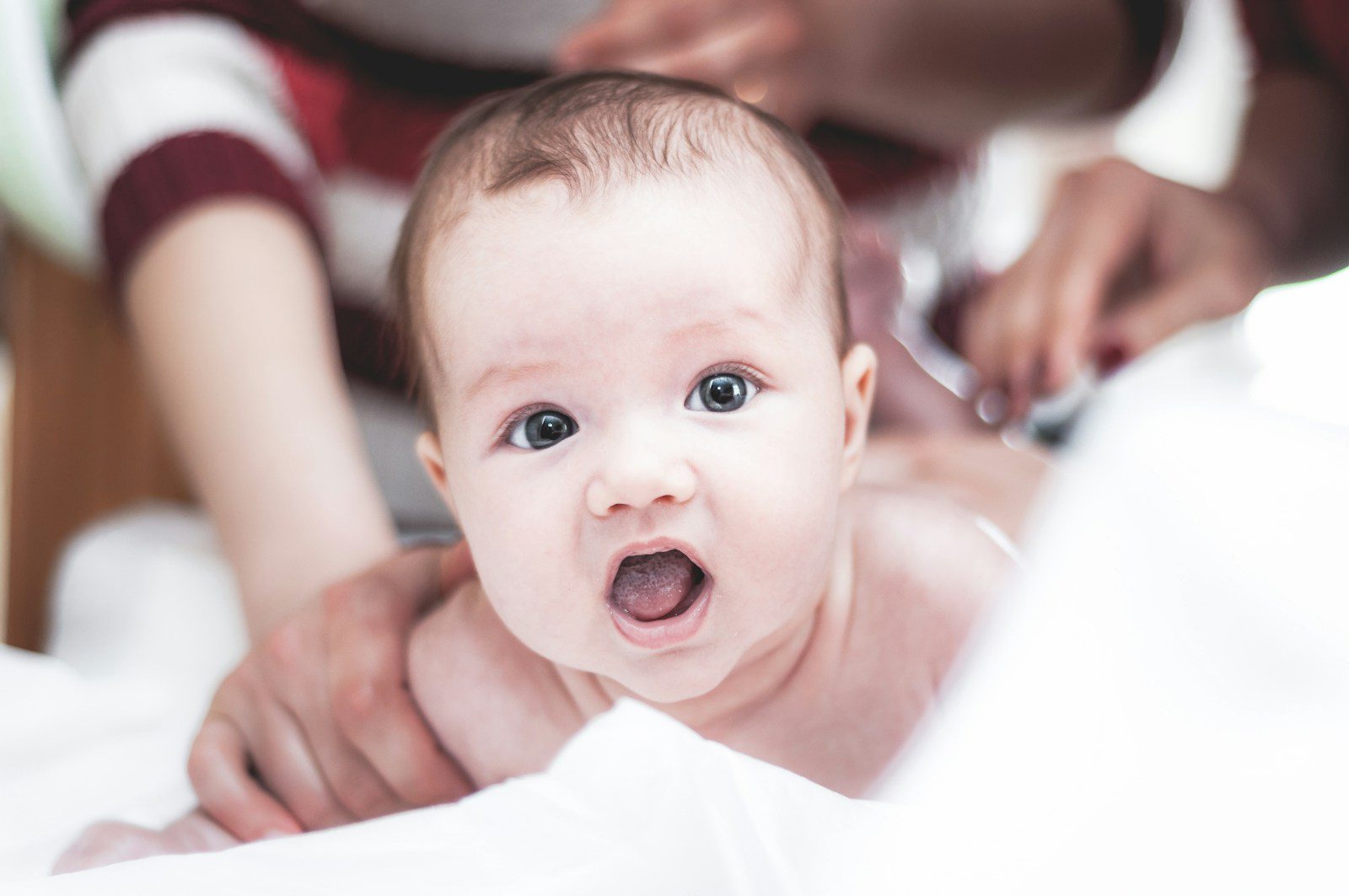
Your baby’s flinch when his sister screams feels alarming, and you want a clear answer about whether it harms him. A startled reaction is usually a normal reflex, not a sign of lasting damage, but watching for persistent fear or sleep disruption matters.
You’ll learn why infants jump at loud noises, what those reflexes mean for development, and practical steps to calm both children when screams happen. This will help you respond with confidence instead of panic and protect your baby’s sense of safety.
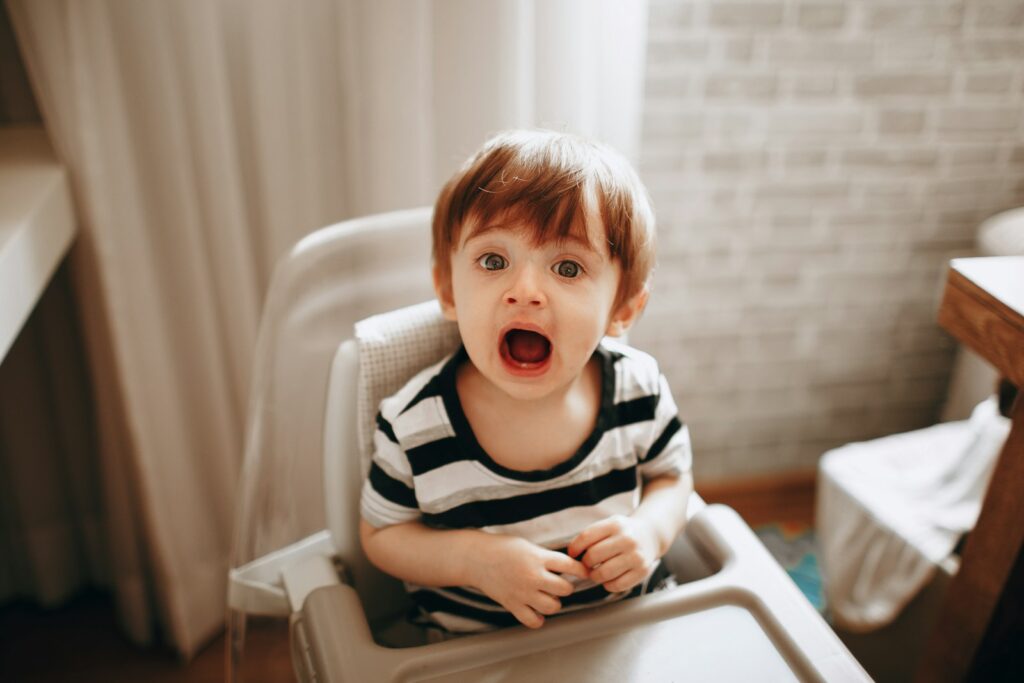
Why Babies Flinch When Siblings Scream
You’ll learn what reflexes and sensory development cause flinching, how loud emotional cues affect your baby, and how sibling interactions change those reactions.
The Startle Reflex Explained
The startle reflex, or Moro reflex, appears at birth and peaks around 1–2 months. When your baby hears a sudden loud sound, their arms may fling out and then come back in; this is an automatic brainstem response, not a learned fear.
This reflex protects infants by mobilizing their muscles in response to abrupt stimuli. It typically fades by 3–6 months as cortical control increases, so persistent extreme flinching after six months may deserve a pediatric check.
You can observe the reflex by noting rapid, generalized movements and a sharp widening of the eyes. If the response seems asymmetric, delayed, or unusually intense, document examples and discuss them with your pediatrician.
Sensory Processing in Infants
Your baby’s auditory system is still developing; they detect volume and pitch but can’t reliably filter irrelevant noise. Neural pathways that help distinguish safe sounds from threats mature over months.
Infants have lower thresholds for being startled because their nervous systems prioritize quick reactions. Overstimulation—multiple loud events close together—can make flinching more frequent and recovery slower.
You can help by controlling the sound environment: reduce background noise, close doors during screaming episodes, and use predictable routines. If your baby shows sensitivity across other senses (touch, light), consider discussing sensory processing concerns with a pediatrician or occupational therapist.
Emotional Impact of Loud Noises
Loud sibling screams convey high arousal and can register as unpredictable threat cues to your baby. That increases heart rate, crying, or clinging, because infants link intense sounds with stressors even without understanding intent.
Repeated exposure to chaotic loudness can heighten baseline anxiety in some infants, making them more reactive to future noises. Conversely, calm, reassuring responses from you help regulate their nervous system and teach that the environment is safe.
You should model soothing behaviors right after a scream: pick up your baby, speak softly, and breathe slowly. Those actions signal safety and reduce cortisol spikes more effectively than attempting to shield the ears alone.
How Sibling Dynamics Shape Reactions
The context and frequency of sibling screams matter. A one-off shriek during play is different from constant, high-volume outbursts that occur several times daily. Your baby learns patterns and expectations from these interactions.
Older siblings who chase, grab, or make unpredictable loud noises increase the chance your baby will flinch and develop anticipatory distress. Sibling age, temperament, and supervision level change risk: rougher play equals more startling events.
You can coach older children to use softer voices, introduce calm play alternatives, and supervise interactions closely. Simple rules—no screaming near the baby, gentle touch only—reduce triggers and help your baby build tolerance without repeated stress.
What to Do If Your Baby Seems Scared or Startled
Quick actions and consistent support reduce fear and teach safety. You’ll focus on recognizing distress, calming techniques you can use immediately, and steps to help sibling relationships feel safe.
Signs Your Baby Is Distressed
Look for physical cues: flinching, wide eyes, stiffening, sudden crying, or a tense body are common signs. Babies under 6 months often startle with the Moro reflex, but repeated flinches linked to loud noises or a sibling’s scream suggest learned fear rather than a reflex.
Watch behavior changes over days: increased clinginess, trouble sleeping, shorter feeding sessions, or avoiding places where a sibling usually plays. Note timing and triggers—what happened right before the reaction—and record frequency so you can describe patterns to your pediatrician.
Also track context: if the baby quiets when you pick them up and resumes calm, that’s soothing working. If symptoms escalate (persistent irritability, refusal to feed, weight loss, or not meeting milestones), contact your pediatrician promptly.
Calming Techniques for Infants
Use immediate soothing: pick your baby up, hold skin-to-skin if appropriate, and lower your voice to slow, rhythmic tones. Offer a pacifier or gentle sucking if they use one; sucking often calms the nervous system quickly.
Regulate sensory input: move to a quiet, dim room, swaddle if they find pressure comforting, and use white noise at low volume to mask sudden sounds. Rock gently or use slow side-to-side motions; keep movements predictable to avoid further startle.
Create short routines after upset moments: a consistent sequence—pick up, hum softly, offer a bottle or breast, then lay down in a familiar spot—helps your baby relearn safety. If you’re worried about ongoing fear or regression, document episodes and consult your pediatrician or a infant development specialist.
Supporting Sibling Relationships
Prepare your older child: teach them to use a soft voice and show plenty of practice examples like whispering or saying “gentle” before they play near the baby. Praise quiet interactions specifically: “You used such a gentle voice—thank you,” which reinforces behavior you want.
Manage interactions actively: supervise play, set clear physical boundaries (no running with toys near the baby), and create designated times when the older sibling gets focused attention so they don’t act out for attention. Offer the older child simple tasks—handing a toy or singing—to involve them in calming and make them feel helpful.
If the baby startles repeatedly from sibling screams, schedule brief, controlled exposures: have the older child practice low-volume reactions while you comfort the infant, gradually increasing tolerance. If progress stalls or either child shows ongoing distress, seek guidance from your pediatrician or a child therapist.
More from Decluttering Mom: