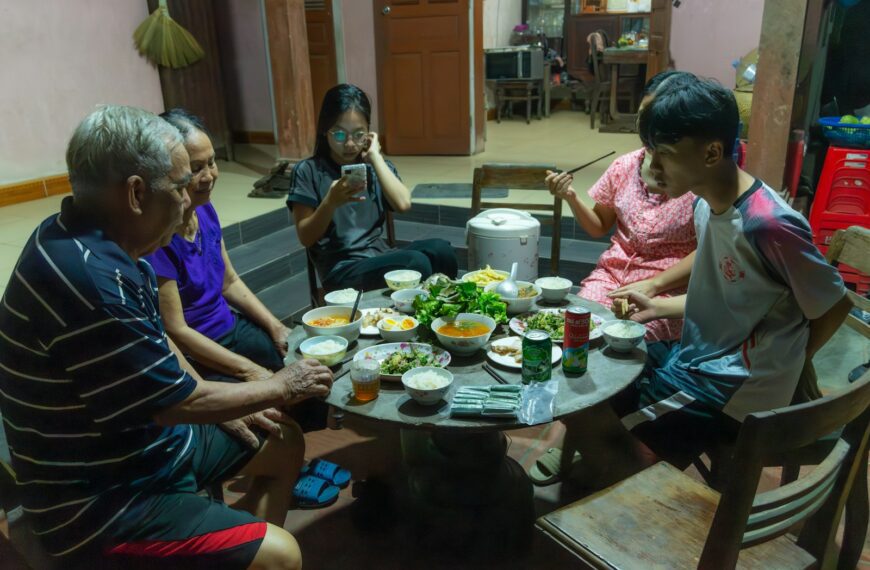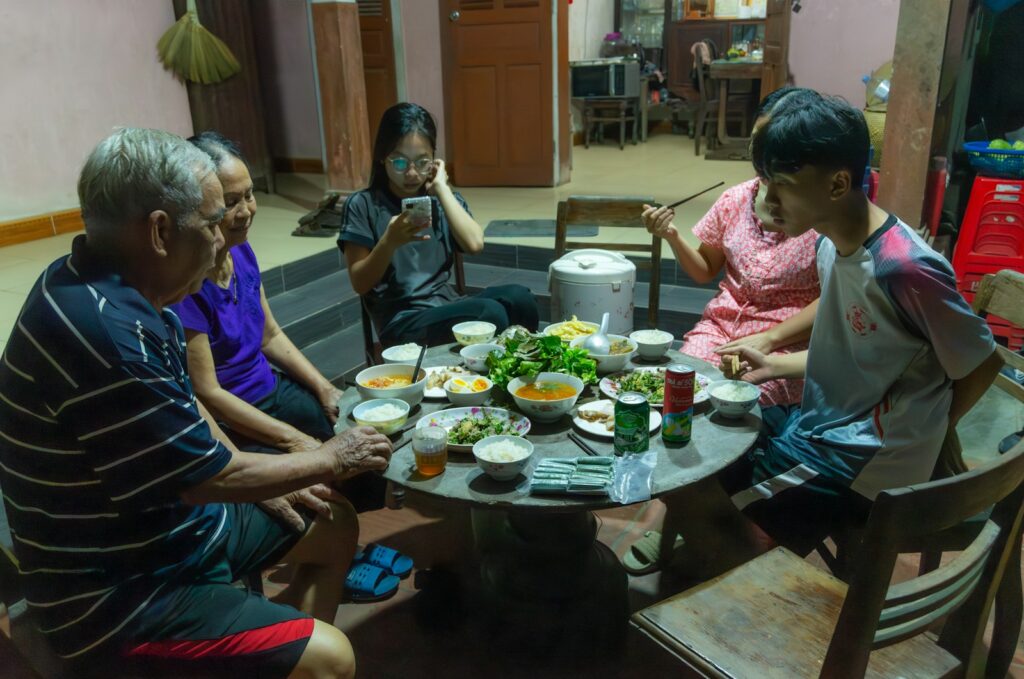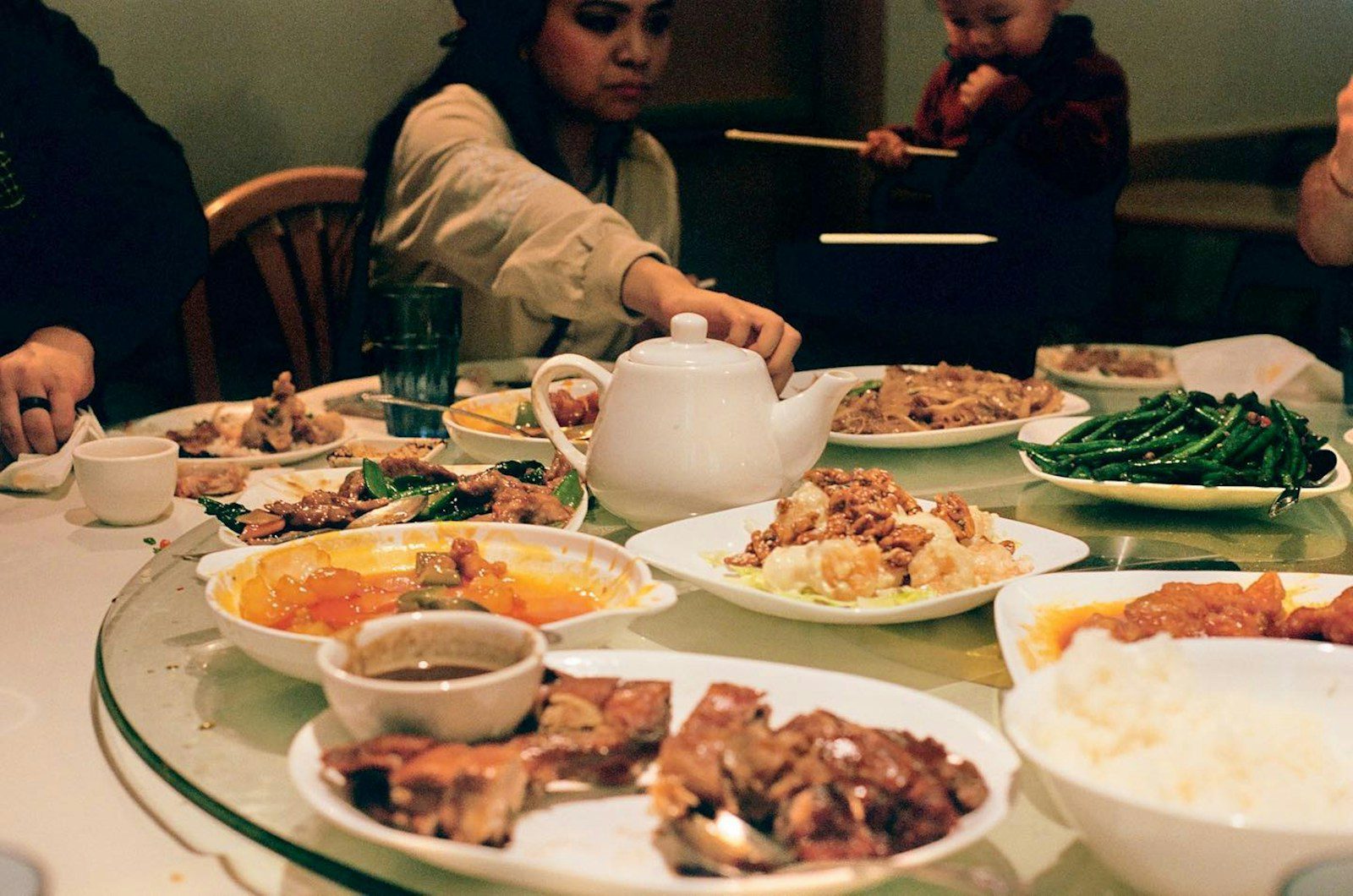
On a Tuesday night in March 2026, a mother in Ireland described her evening routine to the parenting site everymum.ie: one dinner for her husband (meat and two veg), another for her toddler (plain pasta, no sauce), a third for a family member with dietary restrictions, and a fourth for herself, eaten standing up while the dishwasher ran. She was not complaining for sympathy. She was asking whether anyone else lived like this.
Thousands of parents confirmed they do. Across parenting forums, TikTok comment sections, and dietitian offices, families are confronting the same question: when everyone at the table eats differently, is cooking multiple meals an act of love, a trap, or both?
How families end up running a nightly restaurant
The reasons pile up fast. According to the CDC, roughly 1 in 13 U.S. children has a food allergy, a figure that has risen steadily over the past two decades. Layer on sensory processing differences, which are common in children with autism and ADHD, and the number of kids who genuinely cannot eat what the rest of the family eats grows considerably. The Ellyn Satter Institute, whose Division of Responsibility framework is used by pediatricians and feeding therapists worldwide, distinguishes between a parent’s job (deciding what food is served, when, and where) and a child’s job (deciding whether and how much to eat). But in practice, that boundary blurs the moment a three-year-old pushes away a plate and a parent calculates whether the resulting meltdown is worth the principle.
One writer on Scary Mommy laid out the math plainly: she cooks a main dinner for the adults, then assembles divided plates of “safe” foods for each child based on what they will actually eat, repeating the cycle every night so no one goes to bed hungry. She framed the routine not as indulgence but as survival. The Irish mother’s account on everymum.ie echoed the same logic: she was not catering to whims so much as triaging competing needs under a ticking clock.
The cost no one budgets for
The toll is not just physical. The U.S. Bureau of Labor Statistics’ most recent American Time Use Survey shows that women spend nearly twice as much time on food preparation and cleanup as men on an average day. When “food preparation” means planning, shopping for, and cooking three or four distinct meals each evening, that gap widens into something closer to a second unpaid shift.
Burnout shows up in unexpected places. In one Reddit thread, a teenager described preparing nearly all of their own food because the adults in the household had simply run out of capacity. Commenters were split: some called it neglect, others pointed out that parental burnout is real and that even well-meaning caregivers hit a wall. The thread was a reminder that when the system of nightly custom meals collapses, it is often the oldest child who picks up the slack.
Sarah Remmer, a registered dietitian in Calgary who specializes in pediatric feeding, warns that the pattern also reshapes children’s relationship with food. When a child learns that refusing dinner reliably produces a preferred alternative, pickiness deepens rather than resolves. Remmer advocates serving one family meal with a few predictable, accepted items on the side (bread, fruit, a familiar starch) rather than building a full backup dinner. She details the approach in her guide for families, and it aligns closely with the Satter Institute’s framework: parents provide structure, children decide how much to eat within it.
That advice comes with an important caveat. For children with diagnosed conditions like ARFID (avoidant/restrictive food intake disorder) or severe allergies, a single-meal-for-everyone approach can backfire. Feeding therapists note that these children are not being “picky” in the colloquial sense; their restrictions are neurological or immunological, and pressuring them to eat unfamiliar foods without professional support can increase anxiety around meals. The line between flexibility and short-order cooking is real, but it is not in the same place for every family.
What parents are doing instead
A growing number of caregivers are rejecting the binary of “cook everything from scratch nightly” versus “give up.” One mother on the Facebook page My Family Dinner described the turning point bluntly: she used to believe that skipping a night of home cooking meant she was failing. Now she batch-cooks on weekends, stocks the freezer, and reheats without guilt, a shift she discusses in her video on letting go of the “good mom” script.
Others rely on what might be called the “one base, two tweaks” method: a single protein and starch form the center of the meal, and individual preferences are handled with small additions or subtractions at the table (salsa on the side, cheese melted on one portion, vegetables served raw instead of roasted). Food writer Donal Skehan’s recipe site Donal’s Kitchen leans into this philosophy, with dishes designed to be modular enough for families without requiring a second round of cooking.
Meal prep as a pressure valve is gaining traction too. One home cook explained on YouTube how advance prep sessions on low-energy days stock her fridge so that on the hardest weeknights, dinner is already done. The strategy does not eliminate the labor. It redistributes it to a time when the parent has more capacity, which for many families is the difference between coping and crashing.
The question underneath the question
What makes the multi-meal dilemma so persistent is that it sits at the intersection of real medical needs, cultural expectations about motherhood, and the practical reality that a family of four can contain four genuinely different sets of dietary requirements. There is no universal answer, and anyone offering one is probably selling a meal plan.
But the conversation is shifting. More parents are talking openly about the labor involved, more dietitians are offering frameworks that reduce nightly decision fatigue without ignoring children’s needs, and more families are giving themselves permission to call a bowl of cereal “dinner” on the nights when that is what survival looks like. The oven does not have to be on every night for a family to be fed.
More from Decluttering Mom: