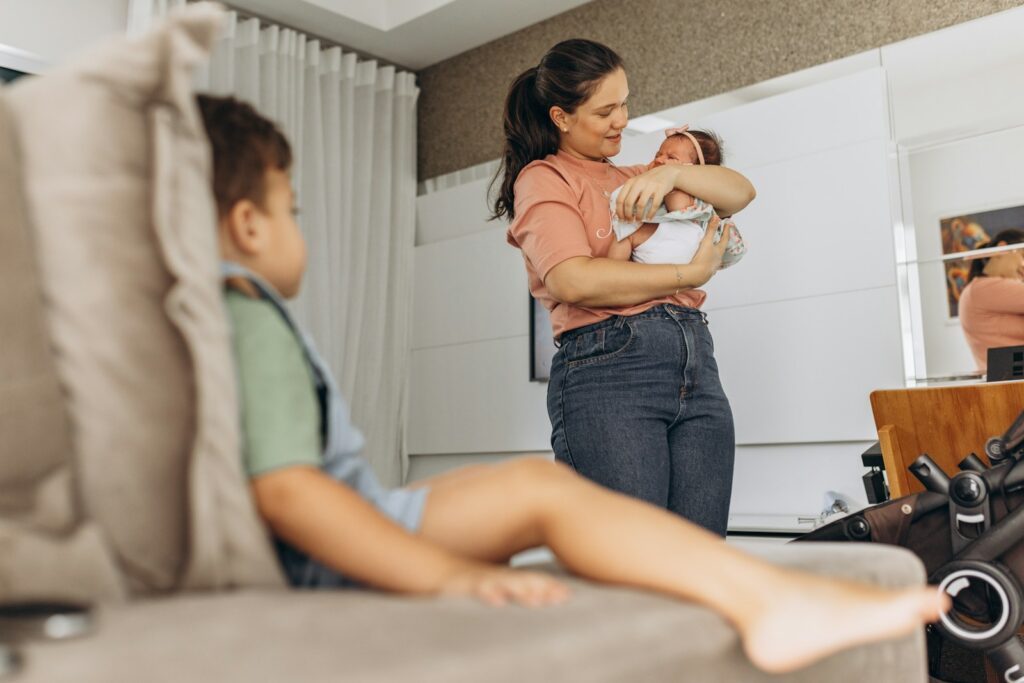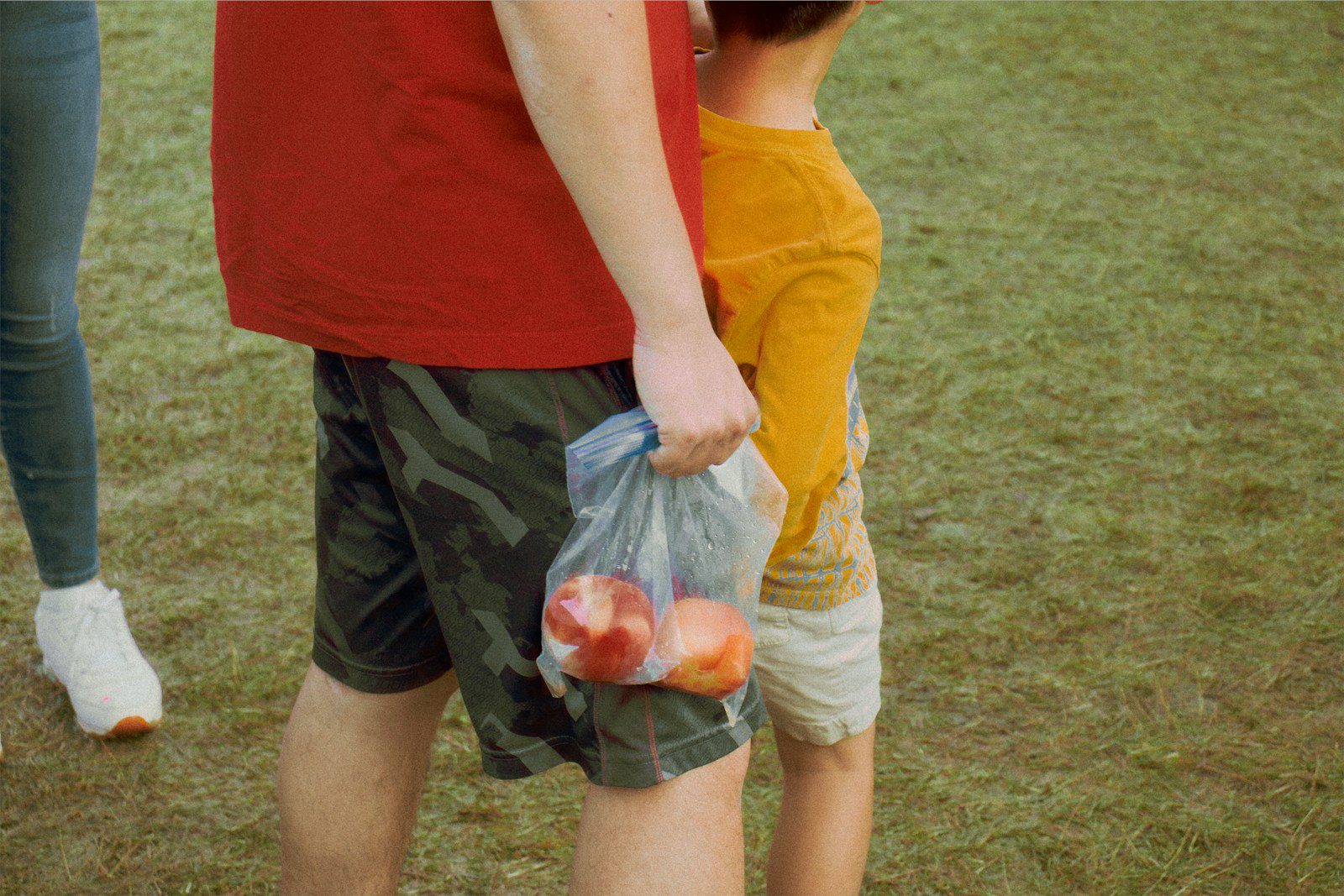
Somewhere between the parenting book and the parking lot meltdown, the fruit snack becomes a power tool. A toddler refuses to get in the car seat. A preschooler will not put on shoes. And a parent who once planned to rely on calm redirection finds themselves fishing a foil pouch out of the diaper bag and whispering, “If you click that buckle, this is yours.”
It is one of the most common confessions in modern parenting circles: snacks have become currency. And while the jokes write themselves, the question underneath is real. When does a well-timed snack cross from practical shortcut into a habit that shapes how kids think about food, cooperation, and reward?
How snacks became the universal bargaining chip
The pattern is so widespread it has its own shorthand online. In a popular parenting group thread, one parent wrote that they had sworn they would never bribe their kids, then admitted they now negotiate with fruit snacks “like a lawyer.” The comment drew hundreds of replies, most of them some version of “same.” Another parent in the thread reframed the whole thing, insisting the offer was “not a bribe” but a realistic acknowledgment that small children get hungry faster than adults and sometimes need fuel before they can cooperate.
That reframing matters, because the line between a bribe and a reasonable incentive is where most parents actually live. Dr. Becky Kennedy, a clinical psychologist and founder of Good Inside, has noted that the occasional strategic snack is not what derails kids. The concern, she and other child development experts have argued, is when food becomes the default lever for every transition, every conflict, and every moment a parent needs compliance.
What the research actually says about food as reward
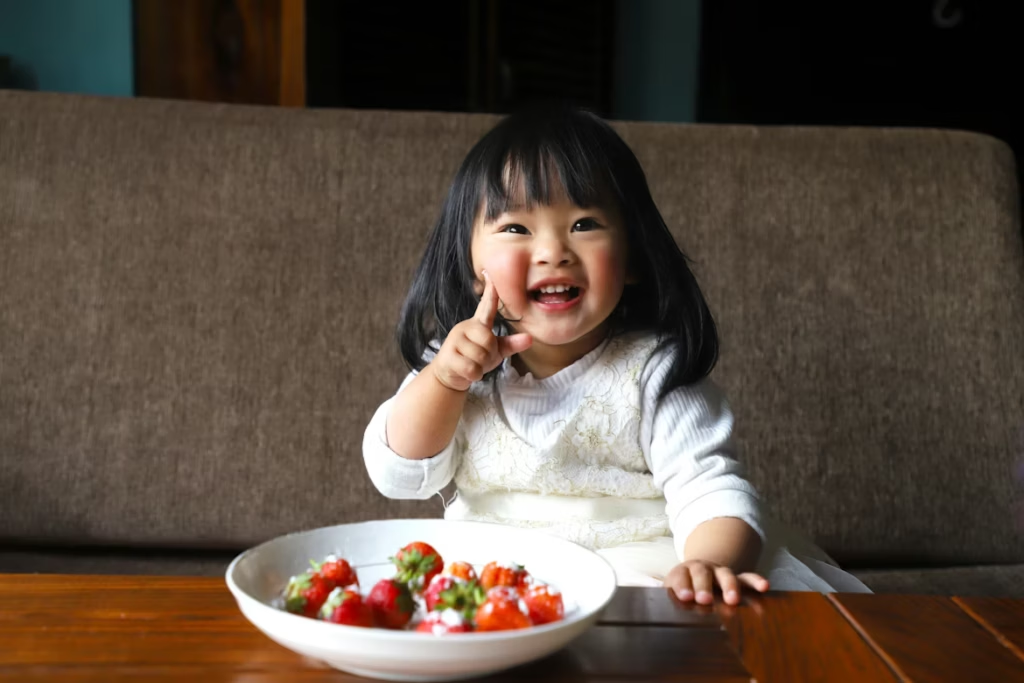
The instinct to worry is not unfounded. A 2019 review published in the journal Appetite found that using food as a reward can increase a child’s preference for the reward food while simultaneously making the “required” food (the broccoli, the peas) less appealing over time. The American Academy of Pediatrics has echoed this, advising parents to avoid framing dessert or treats as a prize for eating other foods, because it teaches children to value sweets above everything else on the plate.
But context matters. Dr. Ellyn Satter, a dietitian and family therapist whose Division of Responsibility framework is widely cited in pediatric nutrition, has long argued that rigid food rules can backfire just as badly as no rules at all. In her model, parents decide what food is offered and when; the child decides whether and how much to eat. A fruit snack offered to smooth a car seat battle is a different situation from a nightly “finish your broccoli for ice cream” script, even if both technically involve food and compliance.
That nightly script, though, is remarkably common. One Instagram creator captured it perfectly in a post calling it the “olllllddd dessert bribe,” inviting followers to raise a hand if they had ever leaned on the promise of sweets to get through dinner. The response was overwhelming, and not because parents did not know the advice. They knew. They were just outnumbered and outmatched by a four-year-old with an iron will.
The gap between the plan and the parking lot
What makes the snack negotiation so relatable is that it sits at the intersection of two real pressures: the desire to parent intentionally and the reality of doing it while exhausted, overstimulated, and running late.
In a candid Reddit thread, one parent described how leftover Halloween candy gradually became a tool for surviving rough afternoons, admitting that sometimes they were simply “over it” and chose the path of least resistance. Another commenter pushed back against outside judgment entirely, insisting that no one else got to decide what their child needed in a given moment. The defensiveness was telling: the word “bribe” carries moral weight that “strategy” does not, and parents feel that weight acutely.
Developmental psychologists who study motivation draw a useful distinction here. Edward Deci and Richard Ryan’s self-determination theory, one of the most cited frameworks in behavioral science, holds that external rewards can undermine intrinsic motivation when they become the primary reason a child cooperates. But the theory also acknowledges that not every reward is corrosive. A one-off incentive during a high-stress moment is different from a systematic pattern where a child learns that compliance only happens when a treat is on the table.
For most families, the honest answer is that they are toggling between both. One mom captured the daily tension in a short Instagram reel, joking that all she wanted was a single quiet bite of her own food without a shouted “can I have some?” from across the room. It is a small moment, but it speaks to the constant negotiation that defines early parenthood: not just over snacks, but over attention, autonomy, and who gets to eat in peace.
Turning the bribe into a structure
Some parents are finding a middle path by building snack access into the routine rather than deploying it as a last-minute deal. One approach gaining traction in parenting communities is the open snack shelf: a low, child-accessible spot stocked with pre-approved options (fruit, cheese sticks, crackers) so kids can graze independently. The idea is to remove the negotiation entirely. If the child is not hungry enough to grab something from the shelf, they probably are not hungry enough to need a bribe.
Registered dietitians who work with families, including those aligned with Satter’s framework, generally support this kind of structure. It gives children autonomy over their eating within boundaries the parent sets, which reduces power struggles and takes food out of the behavioral equation.
None of this means the fruit snack pouch is going away. For millions of parents navigating the spring 2026 chaos of daycare pickups, grocery runs, and bedtime standoffs, it remains the most reliable three-second solution in the bag. The goal, experts suggest, is not to eliminate the shortcut but to notice when it has quietly become the only tool in the drawer.
Because the real question was never whether a parent hands over a fruit snack in a tough moment. It is whether the tough moment is the only time the child hears “yes.”
More from Decluttering Mom: