
Only about half of American children got a flu shot last season, and the ones who did were far less likely to die from the virus, according to new numbers the American Academy of Pediatrics just built into its official recommendations for the 2026-27 flu season.
In its newly published policy statement, the AAP reports that just 49.4% of children ages 6 months through 17 years received a flu vaccine through mid-May 2026 — a rate the Academy says is essentially unchanged from the season before. Meanwhile, the 2025-26 flu season killed 190 children in the United States, a toll the AAP notes will likely climb further as delayed death reports continue coming in.
The gap between vaccinated and unvaccinated children was stark. The AAP’s statement cites research showing flu vaccination cut the risk of flu-related death among children and teens by 80%. During the 2024-25 season specifically, vaccines are estimated to have prevented nearly 15,000 hospitalizations and 245 deaths in that age group alone, based on the same data reviewed in the policy statement and summarized by Medical Daily.
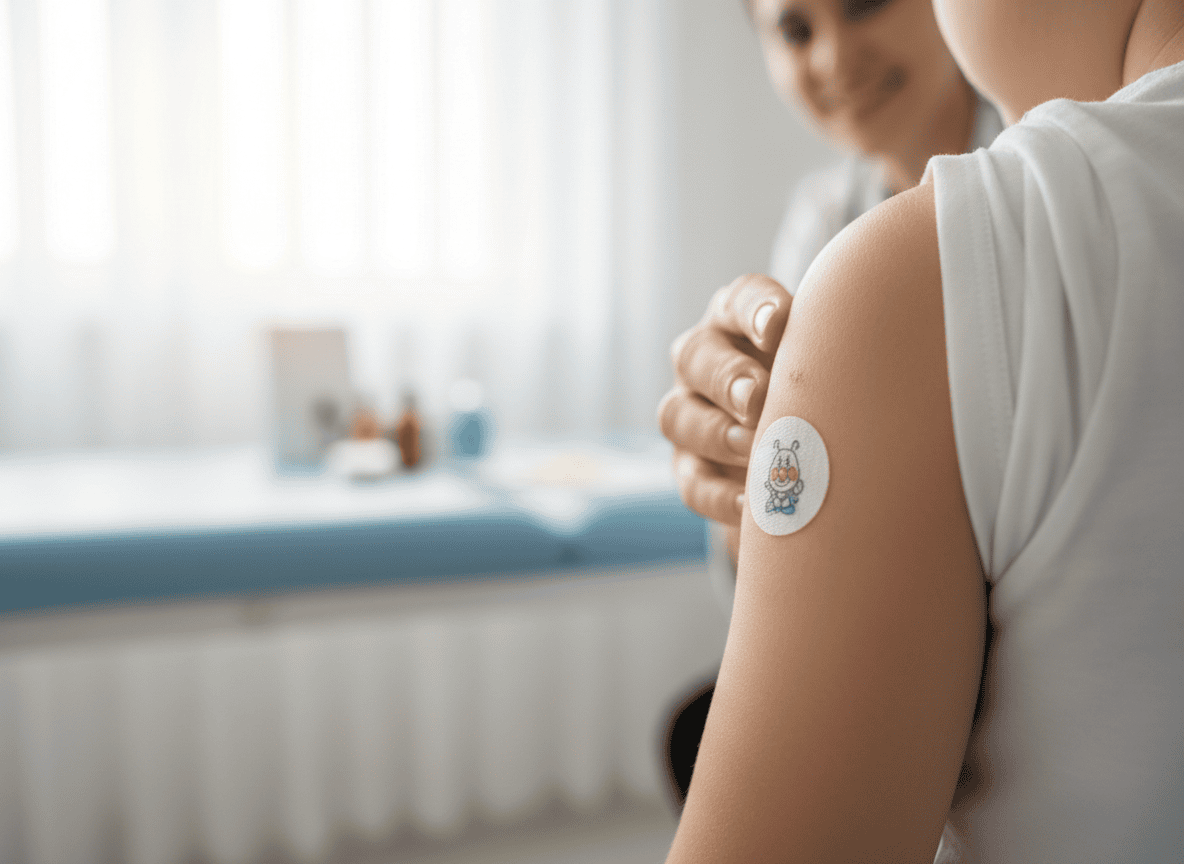
“The good news is flu vaccines have been thoroughly studied,” said Dr. Kristina A. Bryant, a member of the AAP’s Committee on Infectious Diseases, in the Academy’s own statement, adding that the vaccines “are known to be safe in children.” The AAP’s recommendation is unambiguous: every child 6 months and older without a medical contraindication should get an annual flu vaccine, and vaccination during pregnancy is recommended as well, since it protects infants too young to be vaccinated themselves.
What Parents Need to Know About Dosing
- Children ages 6 months through 8 years who are getting their first-ever flu vaccine, or who have received only one dose in their lifetime, need two doses spaced four weeks apart.
- All other children and teens need just one dose for the season.
- The vaccine is recommended regardless of a child’s health status, unless a doctor has identified a specific medical reason not to vaccinate.
- Pregnant women are encouraged to get vaccinated, which passes protective antibodies to newborns before they’re old enough for their own shot.
The AAP’s push comes as flu deaths among children have proven difficult to bring down through public awareness campaigns alone. With vaccination coverage stuck at roughly one in two kids for a second straight season, the gap between what the data shows and what parents are actually doing remains the central problem the Academy is trying to solve with this year’s statement — not new science, but a renewed and unusually blunt call to close that gap before flu activity picks up this fall and winter.